

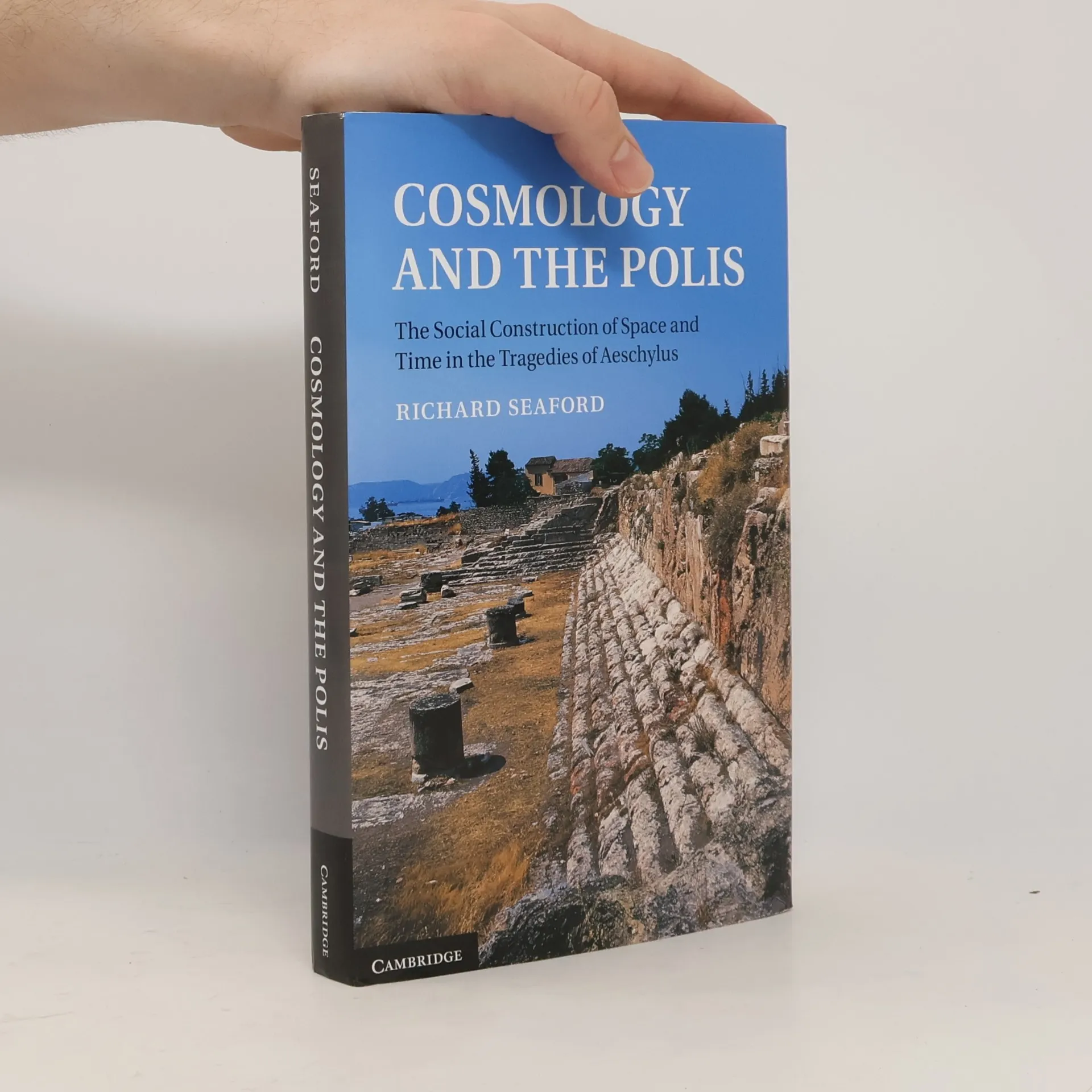
Cosmology and the Polis
The Social Construction of Space and Time in the Tragedies of Aeschylus
Authors
More about the book
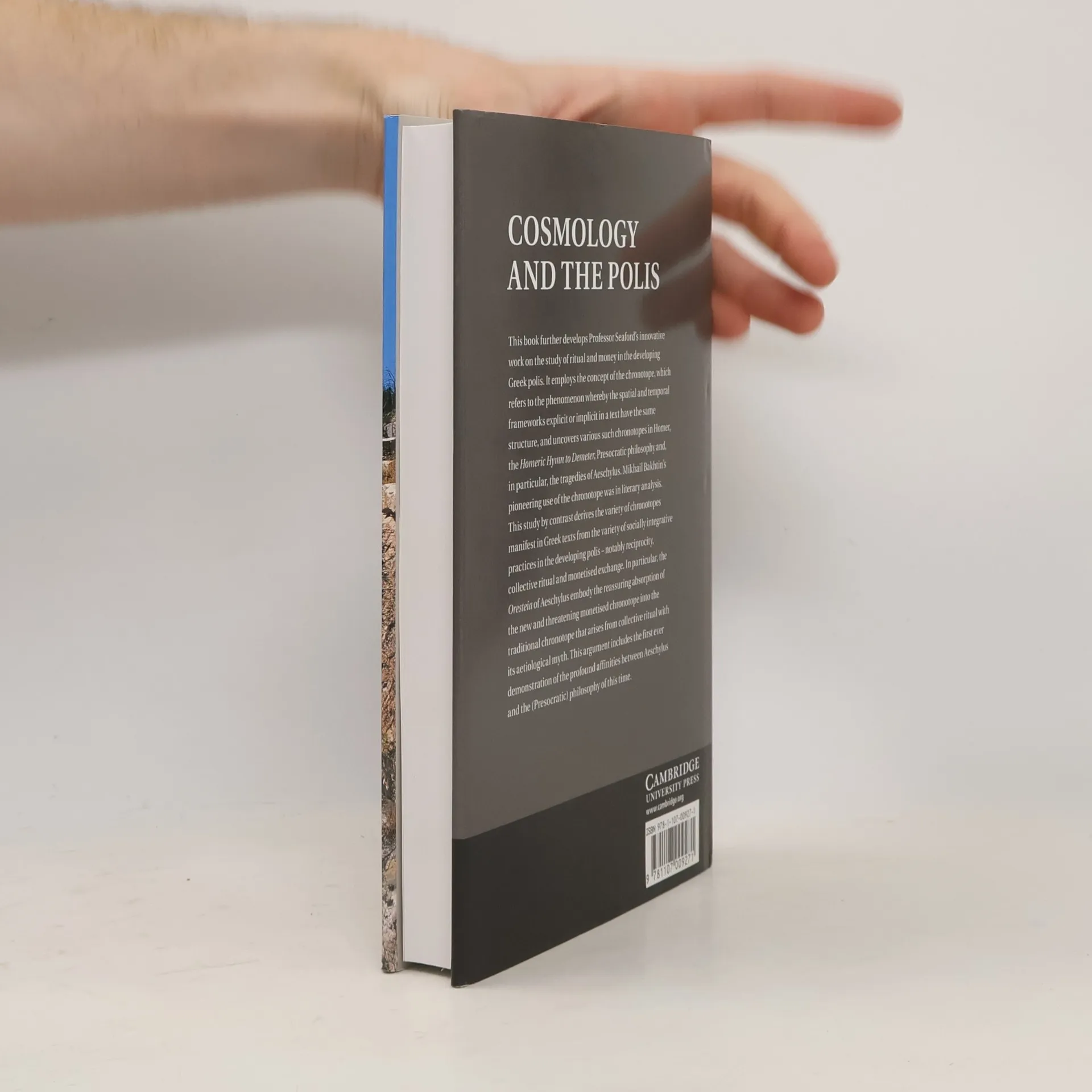
This book further develops Professor Seaford's innovative work on the study of ritual and money in the developing Greek polis. It employs the concept of the chronotope, which refers to the phenomenon whereby the spatial and temporal frameworks explicit or implicit in a text have the same structure and uncovers various such chronotopes in the Homeric Hymn to Demeter and in particular the tragedies of Aeschylus. Mikhail Bakhtin's pioneering use of the chronotope was in literary analysis. This study by contrast derives the variety of chronotopes manifest in Greek texts from the variety of socially integrative practices in the developing polis - notably reciprocity, collective ritual, and monetised exchange. In particular, the tragedies of Aeschylus embodies the reassuring absorption of the new and threatening monetised chronotope into the traditional chronotope that arises from collective ritual with its aetiological myth.
Book purchase
Cosmology and the Polis, Richard Seaford
- Language

- Released
- 2012
- Binding
- (Hardcover)
Payment methods
No one has rated yet.
- Title
- Cosmology and the Polis
- Subtitle
- The Social Construction of Space and Time in the Tragedies of Aeschylus
- Language
- English
- Authors
- Richard Seaford
- Publisher
- Cambridge University Press
- Released
- 2012
- Format
- Hardcover
- Pages
- 380
- ISBN10
- 1107009278
- ISBN13
- 9781107009271
- Series
- Description
- This book further develops Professor Seaford's innovative work on the study of ritual and money in the developing Greek polis. It employs the concept of the chronotope, which refers to the phenomenon whereby the spatial and temporal frameworks explicit or implicit in a text have the same structure and uncovers various such chronotopes in the Homeric Hymn to Demeter and in particular the tragedies of Aeschylus. Mikhail Bakhtin's pioneering use of the chronotope was in literary analysis. This study by contrast derives the variety of chronotopes manifest in Greek texts from the variety of socially integrative practices in the developing polis - notably reciprocity, collective ritual, and monetised exchange. In particular, the tragedies of Aeschylus embodies the reassuring absorption of the new and threatening monetised chronotope into the traditional chronotope that arises from collective ritual with its aetiological myth.