

Sold out but wanted!
Parameters
- 278 pages
- 10 hours of reading
More about the book
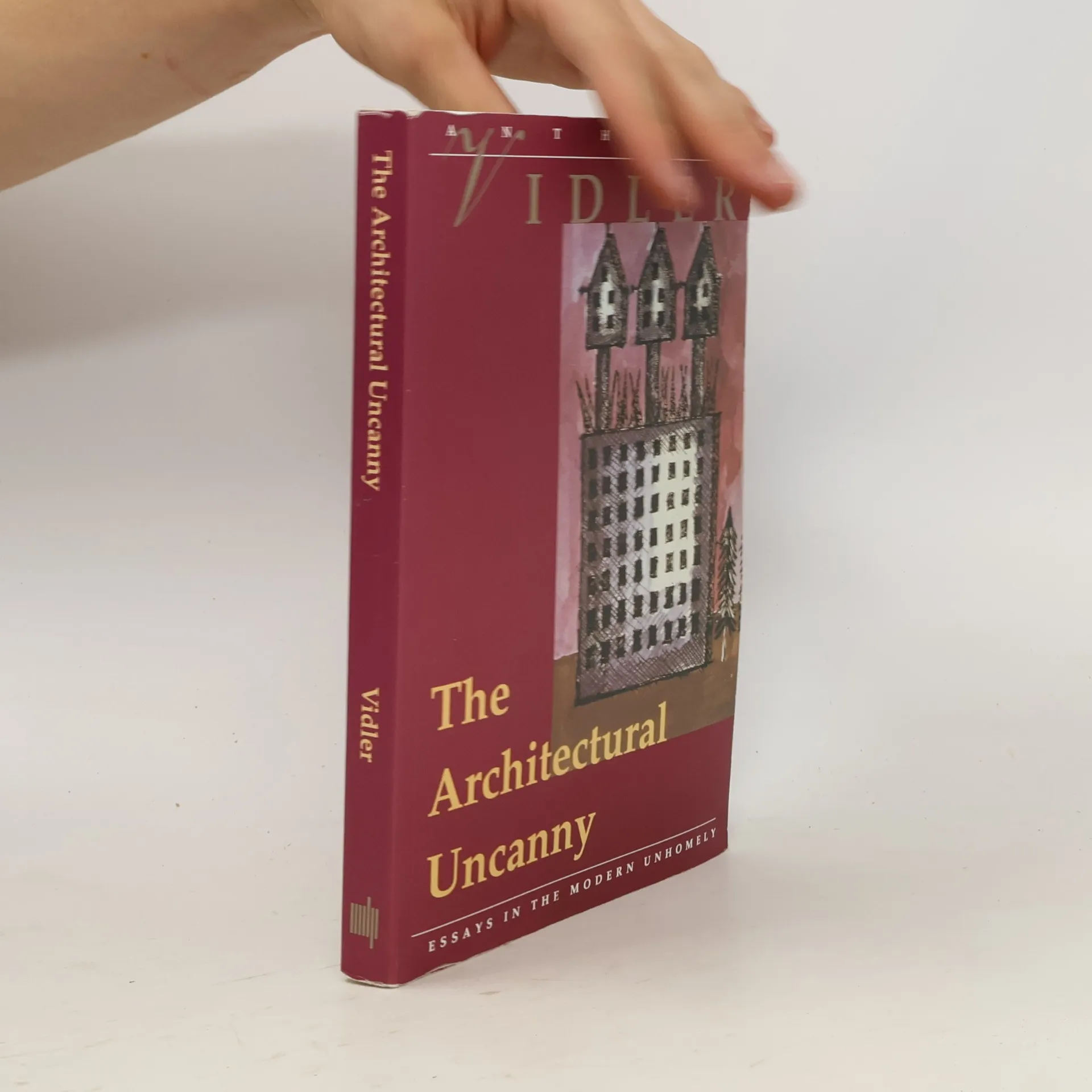
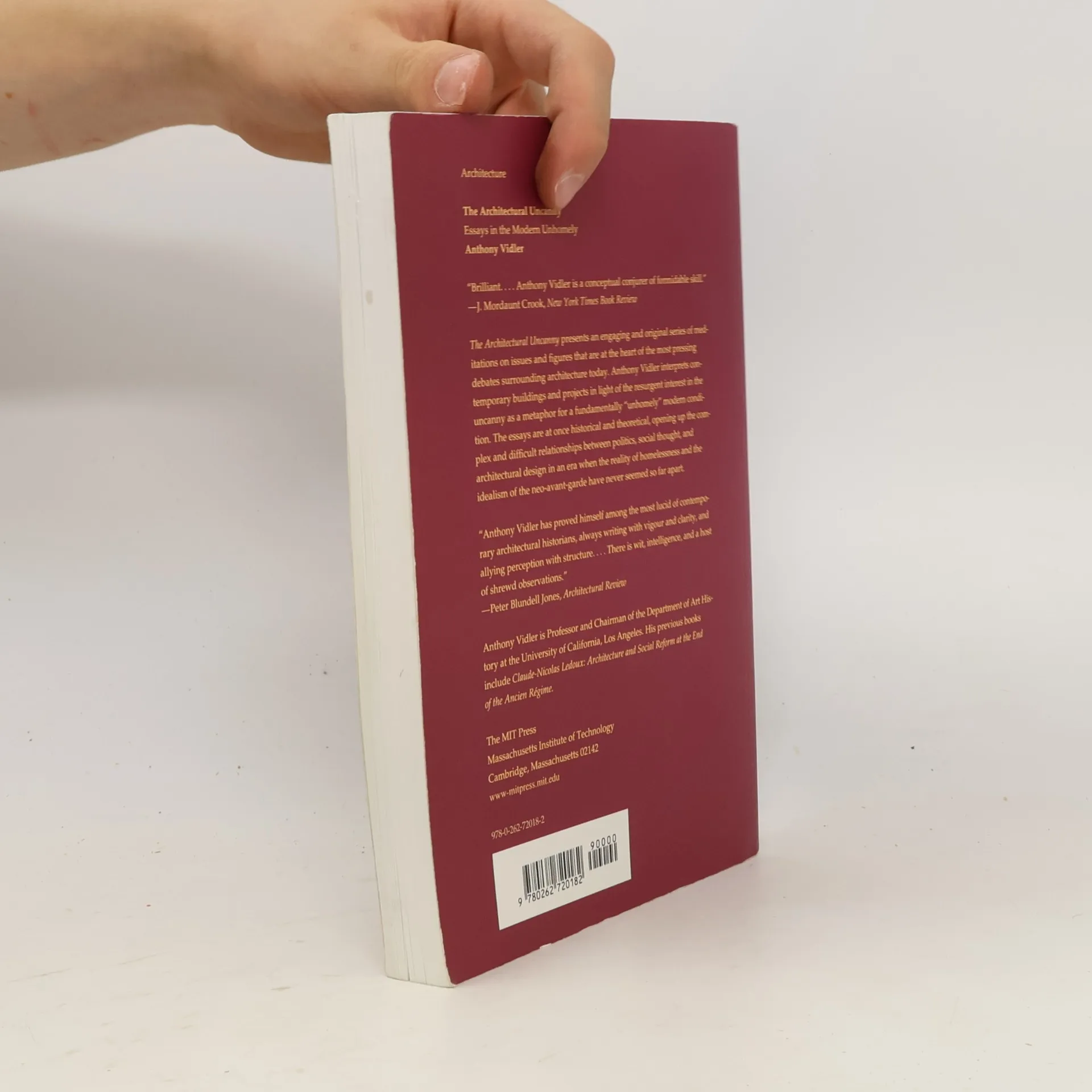
The Architectural Uncanny presents an engaging and original series of meditations on issues and figures that are at the heart of the most pressing debates surrounding architecture today. Anthony Vidler interprets contemporary buildings and projects in light of the resurgent interest in the uncanny as a metaphor for a fundamentally “unhomely” modern condition. The essays are at once historical and theoretical, opening up the complex and difficult relationships between politics, social thought, and architectural design in an era when the reality of homelessness and the idealism of the neo-avant-garde have never seemed so far apart.
Book purchase
The Architectural Uncanny, Anthony Vidler
- Language

- Released
- 1992
- Binding
- (Paperback)
We’ll email you as soon as we track it down.
Payment methods
No one has rated yet.
- Title
- The Architectural Uncanny
- Subtitle
- Essays in the Modern Unhomely
- Language
- English
- Authors
- Anthony Vidler
- Publisher
- MIT Press
- Released
- 1992
- Format
- Paperback
- Pages
- 278
- ISBN10
- 0262720183
- ISBN13
- 9780262720182
- Series
- Categories
- Tags
- Business, Psychological Topics, Philosophical Topics, Art, Architecture, Family, Wars, Filmthema, Culture and Society, Feminism, History of Europe, Mental Health, Marriage, Culture, 21st Century, Scientific Theories, Identity, Cities, Gender, Criticism, Capitalism, Beauty, Anxiety Disorders, Memory Loss, Amnesia, Psychological Aspects, Theory of Architecture, Critical Theory
- Description
- The Architectural Uncanny presents an engaging and original series of meditations on issues and figures that are at the heart of the most pressing debates surrounding architecture today. Anthony Vidler interprets contemporary buildings and projects in light of the resurgent interest in the uncanny as a metaphor for a fundamentally “unhomely” modern condition. The essays are at once historical and theoretical, opening up the complex and difficult relationships between politics, social thought, and architectural design in an era when the reality of homelessness and the idealism of the neo-avant-garde have never seemed so far apart.