


More about the book
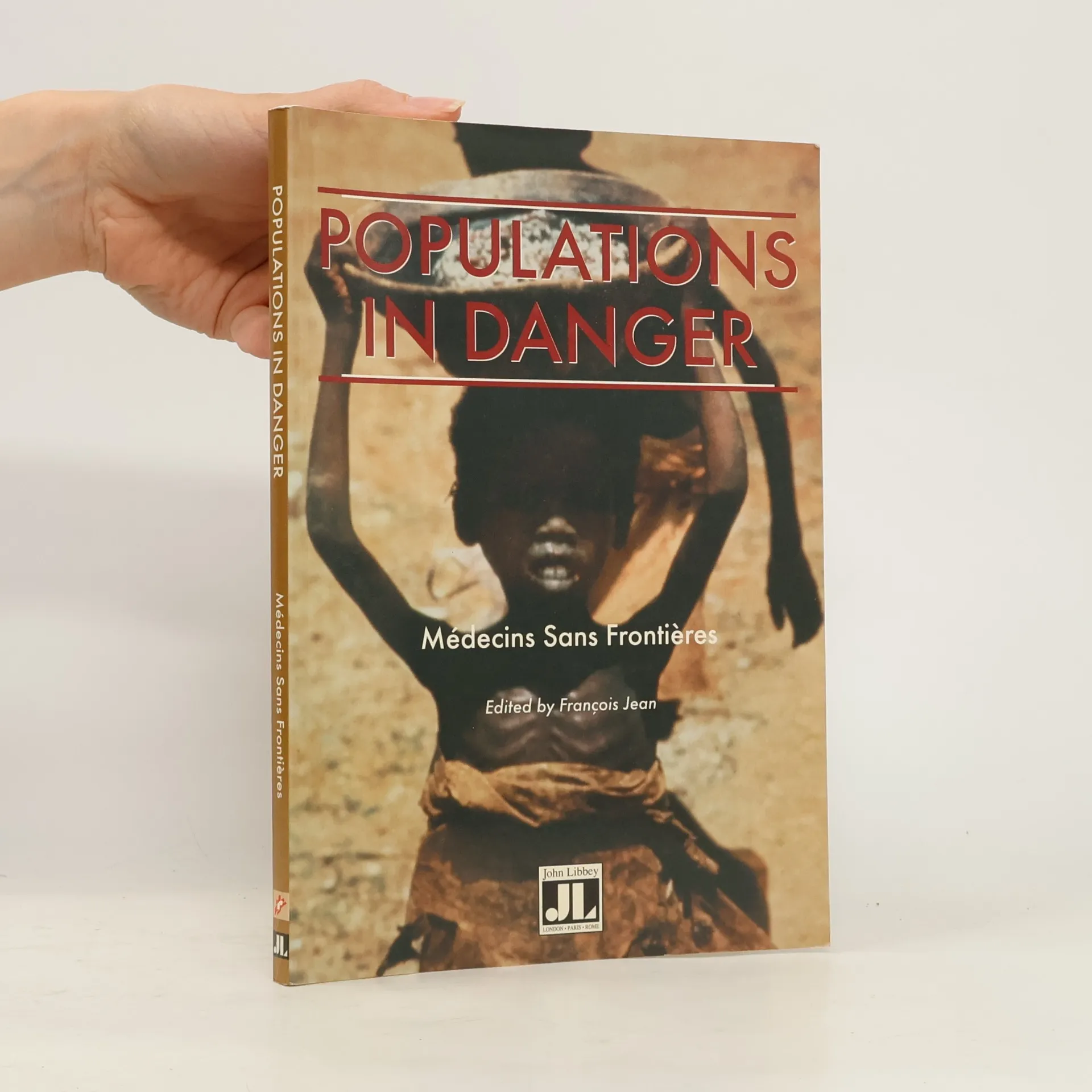
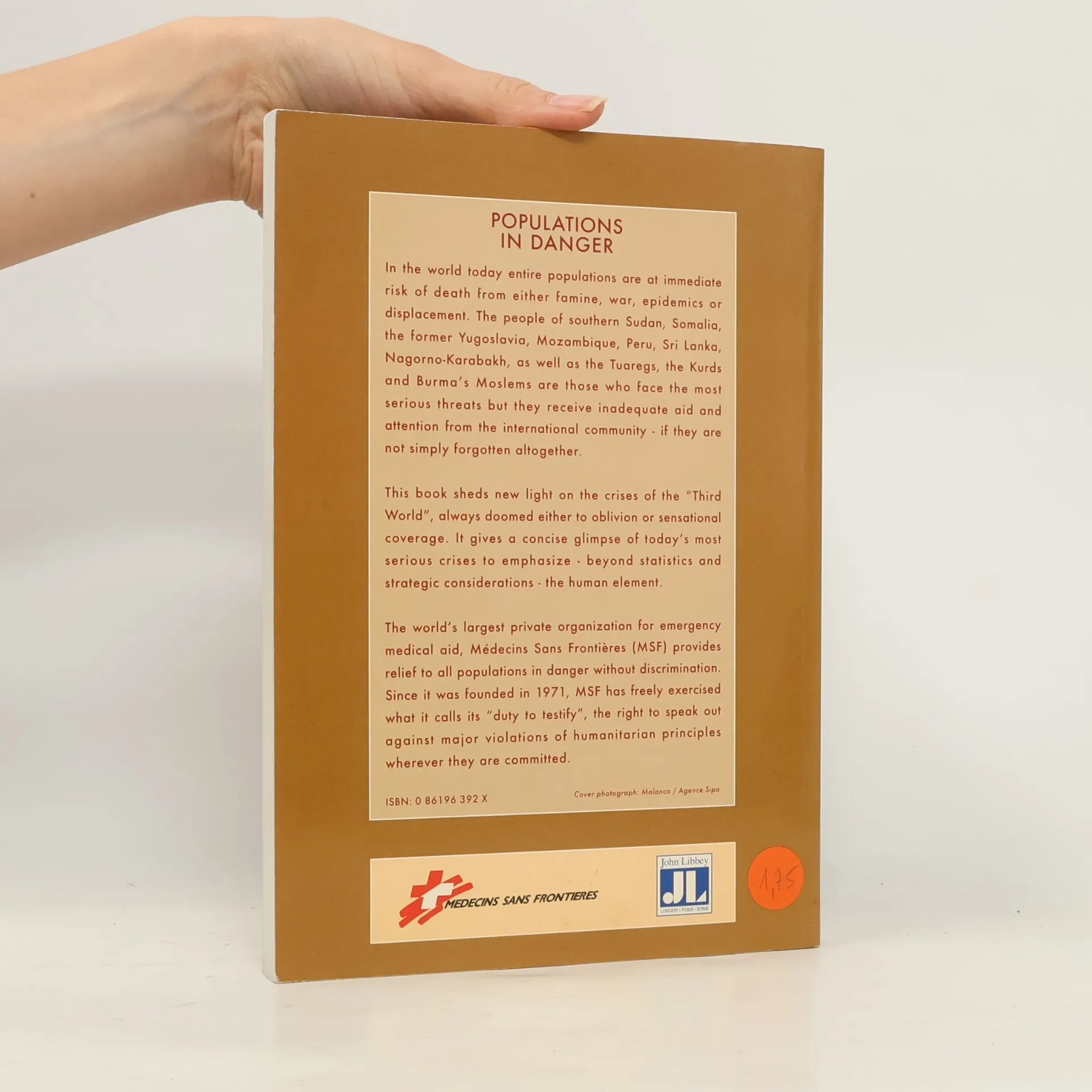
Only fifty years after the Holocaust the world has allowed another genocide to take place - this time in Rwanda. In 1994 governments and the United Nations sat back and did nothing when as many as a million Tutsis and political opponents of the regime were butchered before the very eyes of a token contingent of Blue Helmets.This report shows that the international community "aid only" response to crises will only condemn the world to further suffering. On its own humanitarian assistance is a face-saving excercise. Political action and justice are also needed.Populations in Danger documents the five most serious crises of today : Burundi, Rwanda, Zaire, Haiti and Bosnia. It also includes a humanitarian atlas, compiled by the Paris-based Laboratoire d'etudes politiques et d'analyses cartographiques (LEPAC), which presents a unique visual analysis of today's major humanitarian problems : war, famine, epidemics and population displacement.Medecins Sans Frontieres is the world's largest independent agency for emergency medical aid. Two thousand of its volunteers are currently at work in 70 countries world-wide.
Book purchase
Médecins Sans Frontières: Populations in Danger, François Jean, Médecins Sans Frontières
- Language

- Released
- 1992
- product-detail.submit-box.info.binding
- (Paperback),
- Book condition
- Damaged
- Price
- €2.60
Payment methods
No one has rated yet.
- Language
- English
- Publisher
- John Libbey & Company
- Released
- 1992
- Format
- Paperback
- Pages
- 160
- ISBN10
- 086196392X
- ISBN13
- 9780861963928
- Series
- Tags
- Non-Fiction, Social Sciences, USA, Medicine, Refugees, Iraq, Yugoslavia, Peru, Developing Countries, Demography, Sudan, Myanmar, Somalia, Famine, West Africa, War Victims, Mozambique
- Description
- Only fifty years after the Holocaust the world has allowed another genocide to take place - this time in Rwanda. In 1994 governments and the United Nations sat back and did nothing when as many as a million Tutsis and political opponents of the regime were butchered before the very eyes of a token contingent of Blue Helmets.This report shows that the international community "aid only" response to crises will only condemn the world to further suffering. On its own humanitarian assistance is a face-saving excercise. Political action and justice are also needed.Populations in Danger documents the five most serious crises of today : Burundi, Rwanda, Zaire, Haiti and Bosnia. It also includes a humanitarian atlas, compiled by the Paris-based Laboratoire d'etudes politiques et d'analyses cartographiques (LEPAC), which presents a unique visual analysis of today's major humanitarian problems : war, famine, epidemics and population displacement.Medecins Sans Frontieres is the world's largest independent agency for emergency medical aid. Two thousand of its volunteers are currently at work in 70 countries world-wide.