




More about the book
Violent crime in America shot up sharply in the mid-1980s and continued to climb until 1991 after which something unprecedented occurred. For the next seven years it declined to a level not seen since the 1960s. The puzzle of why this has happened has bedeviled criminologists, politicians, policy makers and average citizens. Numerous explanations have been put forth, from improvements in policing to the decline in crack cocaine use. The authors of this timely and critical book explain and assess the plausible causes and competing claims of credit for the crime drop. Here some of America's top criminologists examine the role of guns and gun violence, the growing prison population, homicide patterns, drug markets, economic opportunity, changes in policing, and changing demographics. As the authors point out, the trends that have contributed to the decline in violent crime--gun contol efforts (at both the local and federal levels), changes in drug markets (the decline of crack cocaine), and economic shifts (high employment in the flourishing economy of the late 1990s)--cannot continue indefinitely. The control and prevention of crime will continue to challenge scholars and public policy makers. This book presents the most authoritative, intelligent discussion available on the rise and fall of American violence. The perspectives offered here will undoubtedly influence the public debate and the planning of future responses to crime.
Book purchase
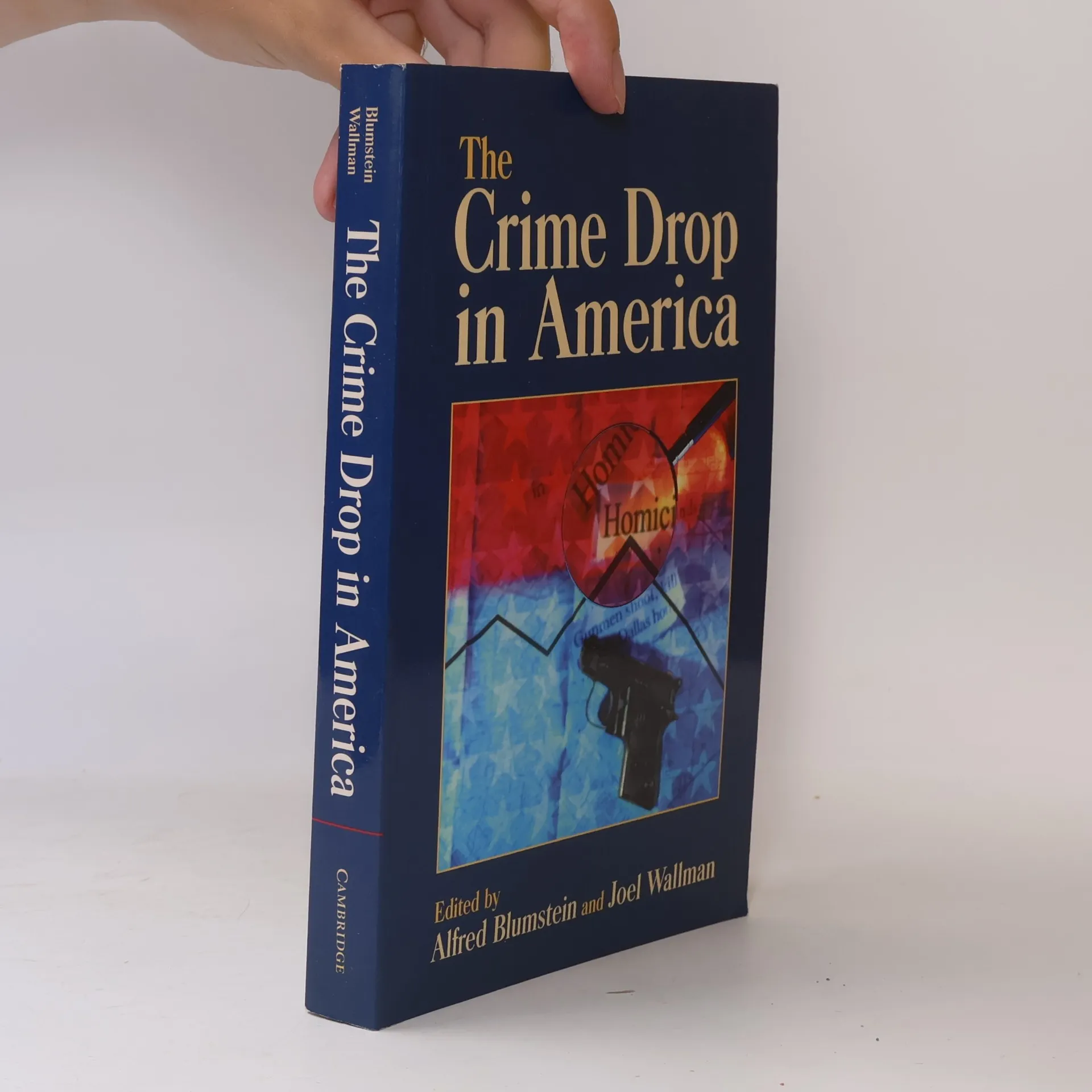
Cambridge Studies in Criminology: The Crime Drop in America, Alfred Blumstein, Joel Wallman
- Language

- Released
- 2000
- product-detail.submit-box.info.binding
- (Paperback),
- Book condition
- Damaged
- Price
- €4.88
Payment methods
No one has rated yet.
- Title
- Cambridge Studies in Criminology: The Crime Drop in America
- Language
- English
- Authors
- Alfred Blumstein, Joel Wallman
- Publisher
- Cambridge University Press
- Released
- 2000
- Format
- Paperback
- Pages
- 300
- ISBN10
- 0521797128
- ISBN13
- 9780521797122
- Series
- Description
- Violent crime in America shot up sharply in the mid-1980s and continued to climb until 1991 after which something unprecedented occurred. For the next seven years it declined to a level not seen since the 1960s. The puzzle of why this has happened has bedeviled criminologists, politicians, policy makers and average citizens. Numerous explanations have been put forth, from improvements in policing to the decline in crack cocaine use. The authors of this timely and critical book explain and assess the plausible causes and competing claims of credit for the crime drop. Here some of America's top criminologists examine the role of guns and gun violence, the growing prison population, homicide patterns, drug markets, economic opportunity, changes in policing, and changing demographics. As the authors point out, the trends that have contributed to the decline in violent crime--gun contol efforts (at both the local and federal levels), changes in drug markets (the decline of crack cocaine), and economic shifts (high employment in the flourishing economy of the late 1990s)--cannot continue indefinitely. The control and prevention of crime will continue to challenge scholars and public policy makers. This book presents the most authoritative, intelligent discussion available on the rise and fall of American violence. The perspectives offered here will undoubtedly influence the public debate and the planning of future responses to crime.