Explore the latest books of this year!
Bookbot

Architectural Design

This series delves into the captivating realm of architectural design and its evolution. It explores the pivotal styles, influential figures, and innovative techniques that have shaped our built environment. Essential reading for anyone interested in the aesthetics, functionality, and societal impact of buildings. Discover the stories behind iconic structures and the principles that guide their creation.

Empathic Space
Exuberance
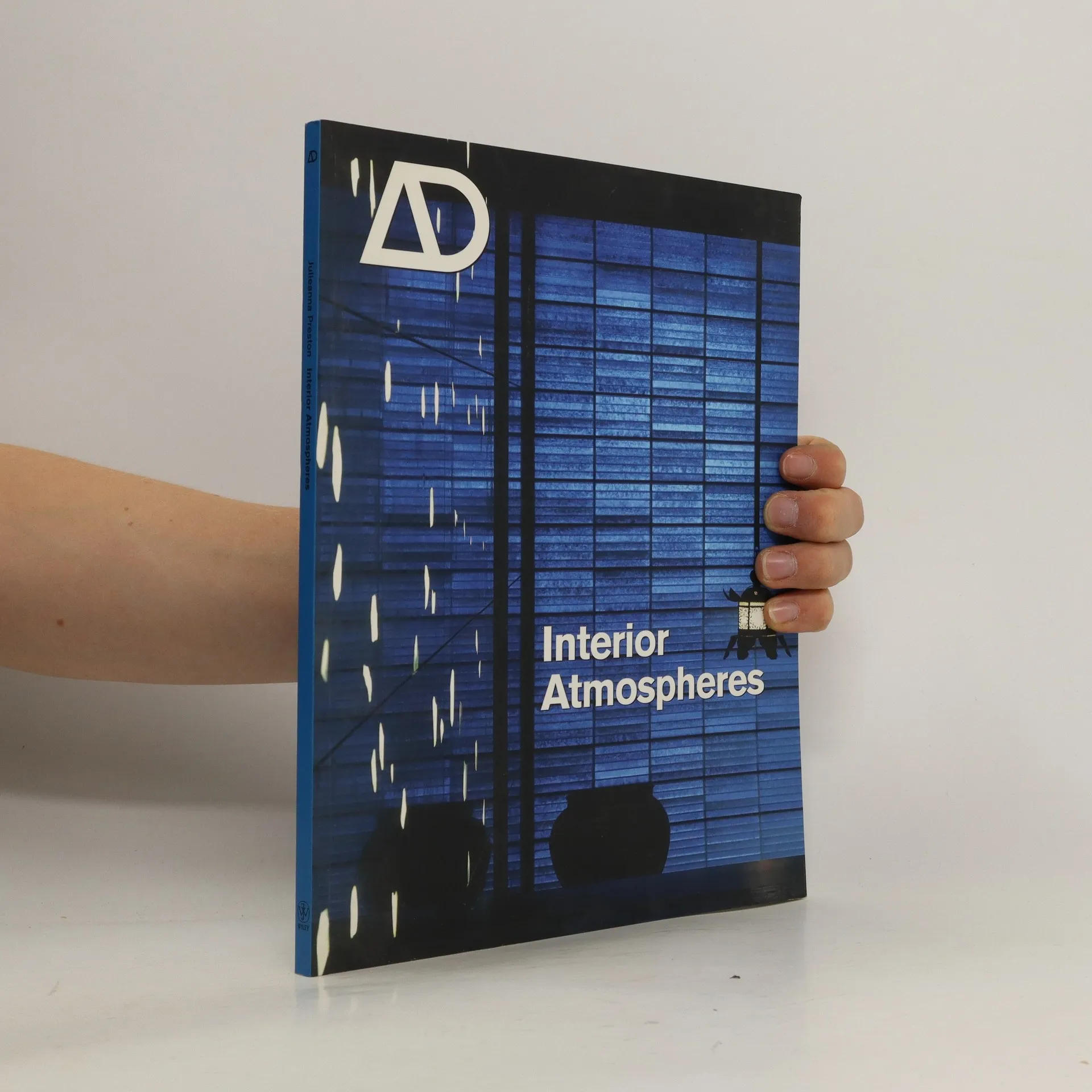
Interior Atmospheres
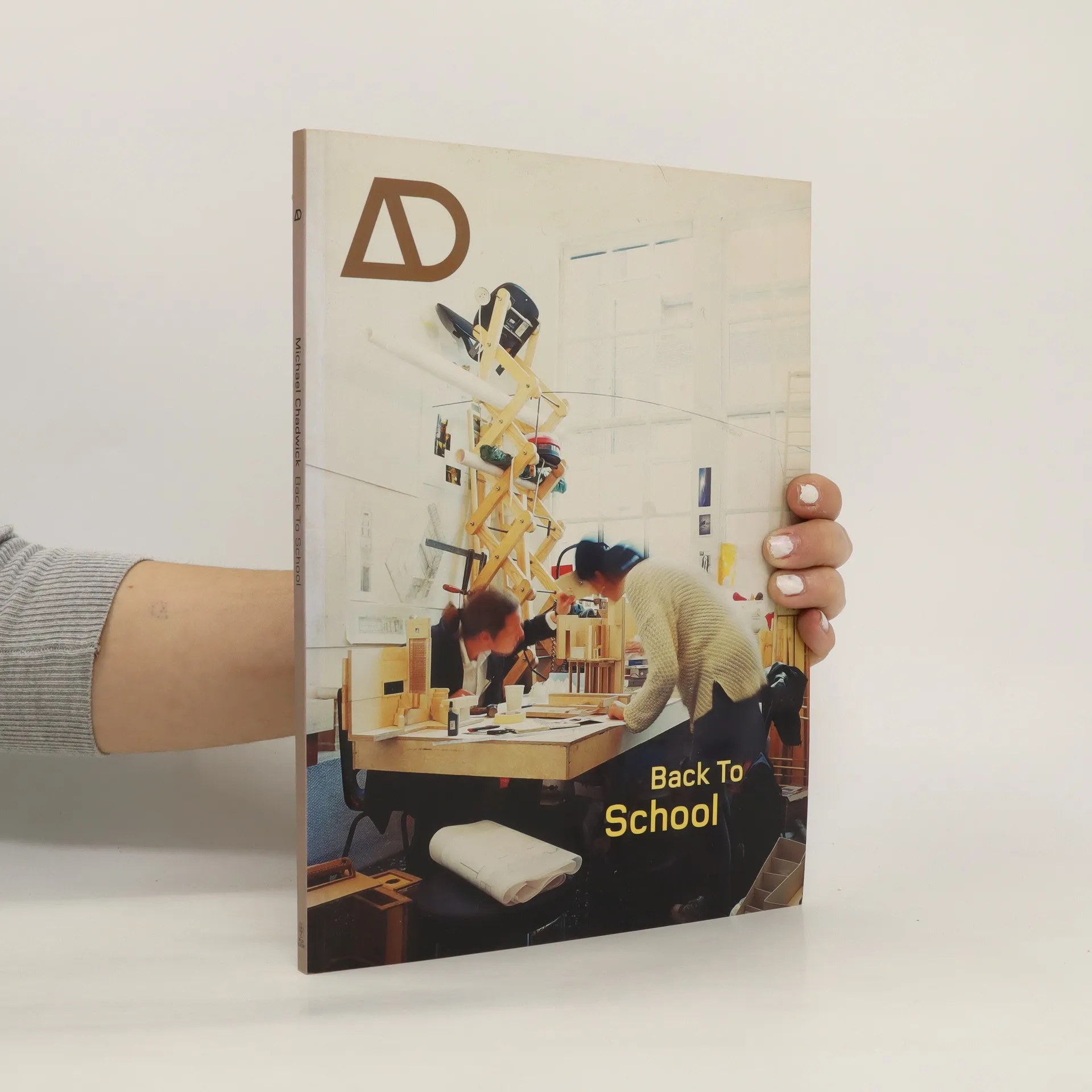
Back to School: Architectural Education - the Information and the Argument
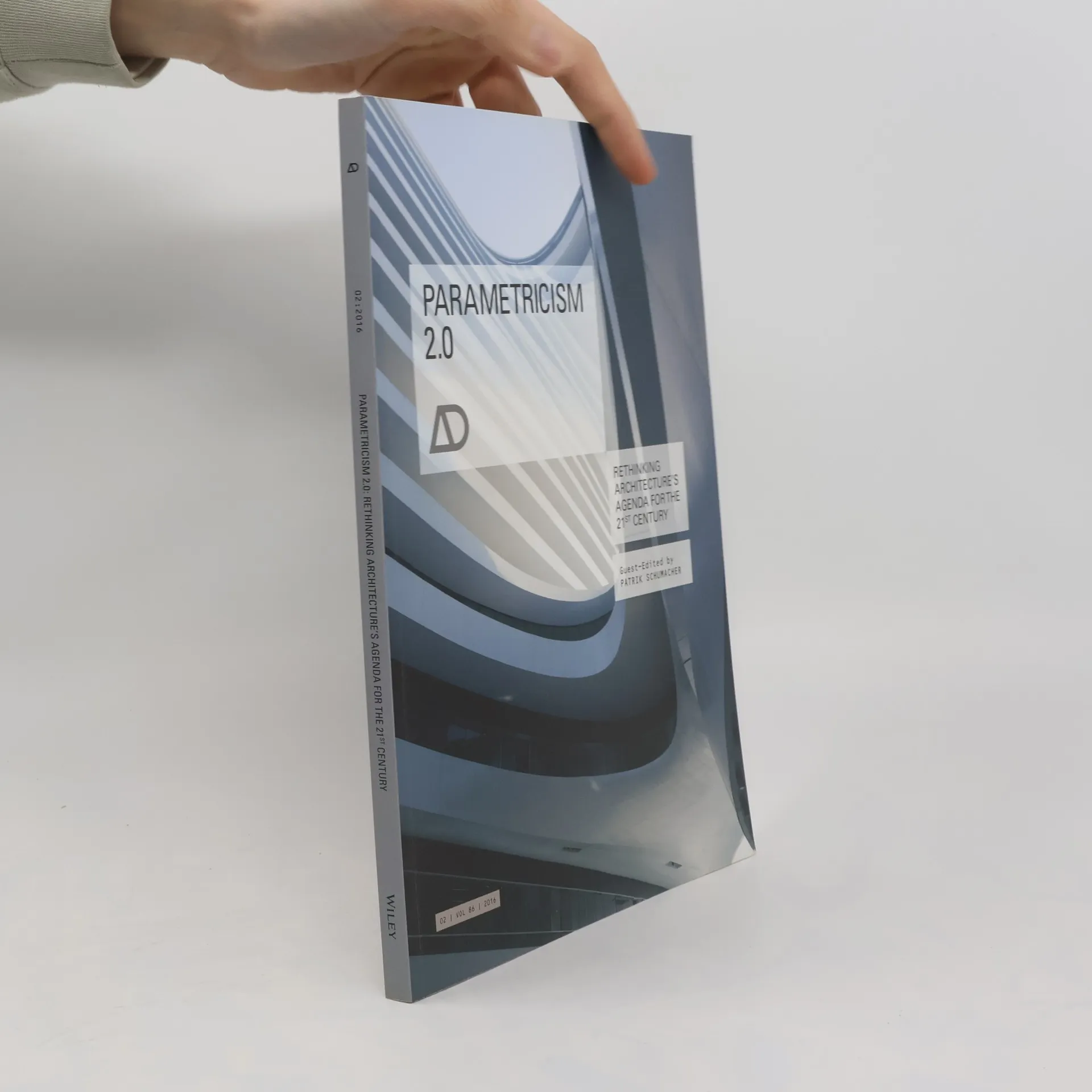
Parametricism 2.0
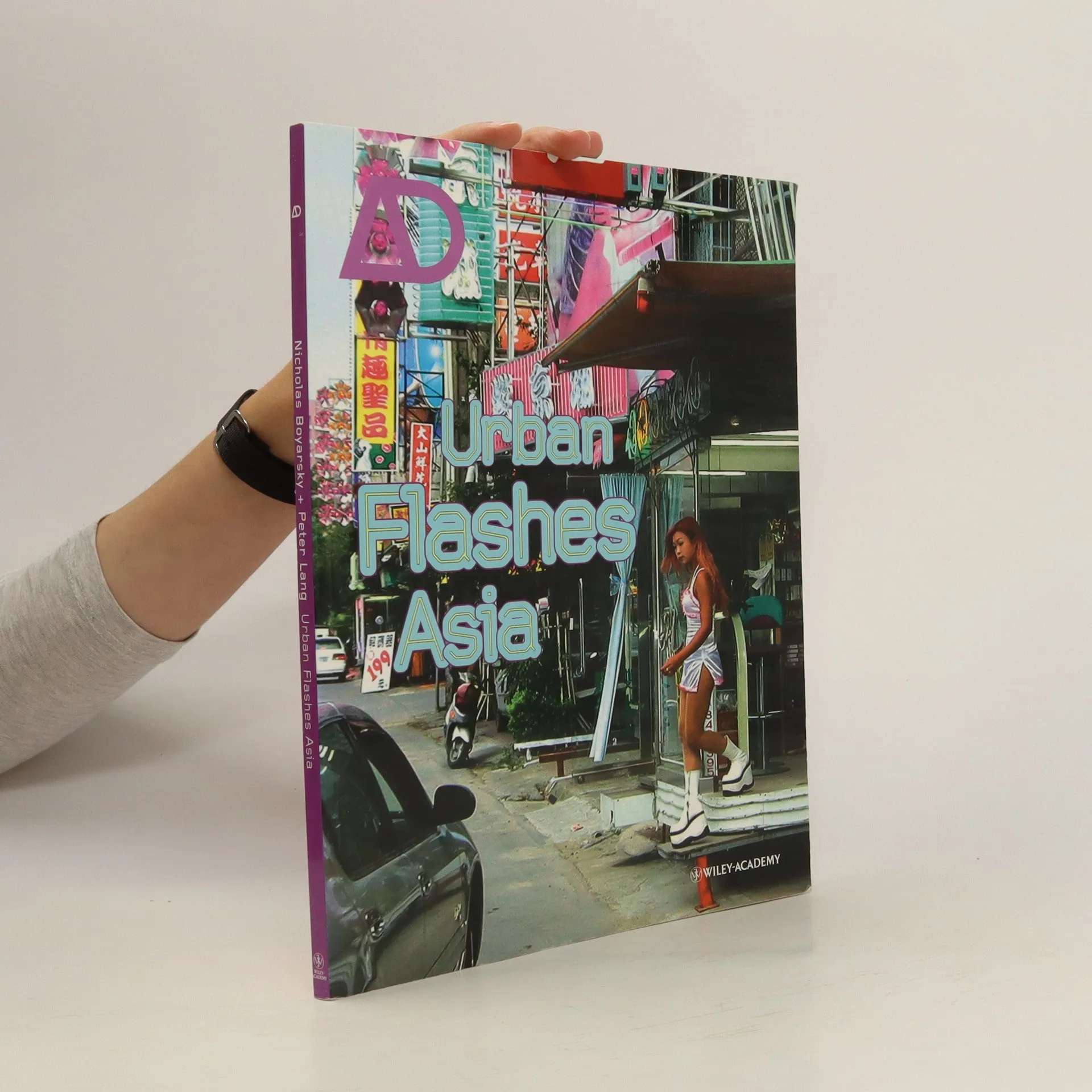
Urban Flashes Asia
  • Urban Flashes Asia

    • 128 pages
    • 5 hours of reading

    Urban Flashes Asia , from Wiley's Architectural Design series is a bold conceptual and architectural response to Eurocentric research in architecture. It introduces a network of globally dispersed architects and theorists working primarily in Asia. The contributors of Urban Flashes Asia  are a globally active body that is fast developing a rapidly evolving language of urban imagination and invention. This is a new and intriguing version of events which is in step with the nature of urban developments in Asia, as much of the region continues to come alive.
    Urban Flashes Asia
  • Parametricism 2.0

    • 136 pages
    • 5 hours of reading

    Parametricism is an avant-garde architecture and design movement that has been growing and maturing over the last 15 years, emerging as a remarkable global force. The tendency started in architecture but now encompasses all design disciplines, from urban design to fashion.

    Parametricism 2.0
    4.2
  • Today, architecture schools are truly international in their intake, as students are able to select from courses worldwide. For school leavers and undergraduates, the choice is bewildering. Where different institutions provide very different courses and ultimately very different architects, the very act of shopping for a degree is an incredibly important stage in an architecture student’s career. This book is set to become a touchstone publication for anyone involved in architectural education, from the academic to the aspiring student. It provides interviews with four of the most influential educators/heads of schools around the world: Peter Cook, Chair, the Bartlett School of Architecture, London, UK Bernard Tschumi, Dean, School of Architecture at Columbia University, USA Leon van Schaik, Innovation Professor of Architecture, Royal Melbourne Institute of Technology, Australia Elia Zenghelis, Berlage, Dusseldorf This is followed by short self-biographies of eleven further prominent figures including Rem Koolhaas, Anthony Vidler and Paul Virilio It is the first publication of its kind to comprehensively cover architectural education in its current context as an international market It will feature the first invaluable listing of architectural schools worldwide: no dedicated listing currently exists in printed form or on the web, giving students a useful reference from which to start the decision making process

    Back to School: Architectural Education - the Information and the Argument
  • Interior Atmospheres

    • 128 pages
    • 5 hours of reading

    What is exactly meant by "atmosphere" when describing a room? Does it refer to space, decor, lighting, or color? While often referred to in design magazines, atmosphere, and, more critically, the elements that create it, have rarely been analyzed. Written by a leading designer and academic, Interior Atmospheres, the latest issue of AD, offers an in-depth examination of the subject of interior atmosphere in three parts: the speculative, the evocative, and the conversant. In the speculative section, a number of prominent designers, such as Claudio Lazzarini and Philip Stark, "speculate" on an interior, creating original interiors. The evocative section deals with ephemeral projects and the more transient qualities of space. The conversant section features interviews with prominent designers and thinkers, including architect and theorist Joel Saunders and architect Wolf Prix. Here is a fascinating look at one of design's most compelling, yet elusive subjects for architects, interior designers, and students alike.

    Interior Atmospheres
    2.0
  • Exuberance

    • 144 pages
    • 6 hours of reading

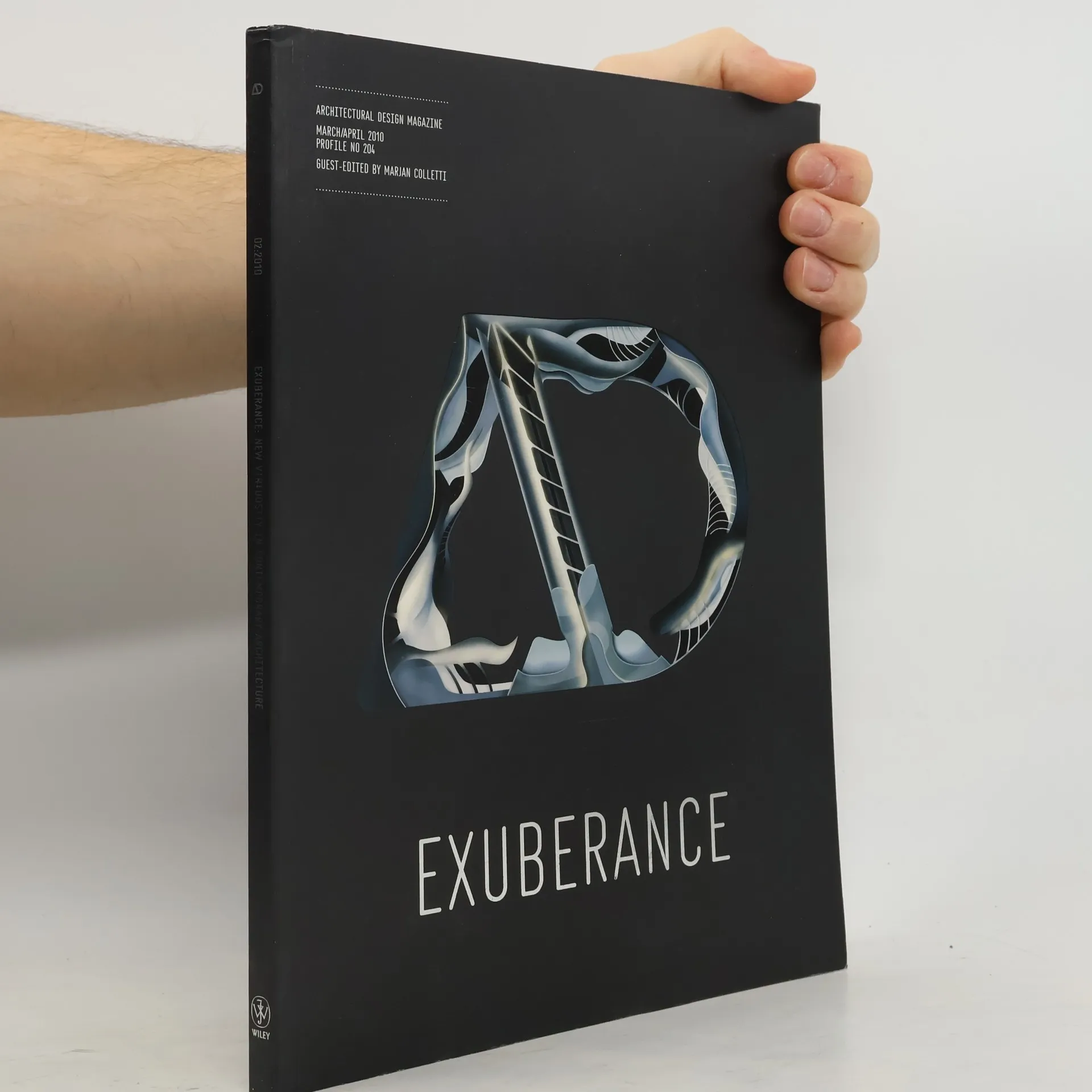
    This title of AD heralds a new era of exuberance in digital design. Having overcome the alienation and otherness of the cyber, having mastered the virtual qualities and protocols of the parametric, having achieved the intricacy and elegance of the digital, and having fully embraced the potential of 3d computer software and cad/cam manufacturing technologies, it is now time for architects to show off! Conjure up the extravagance of furniture design, the abundance of cgi in Hollywood, the profuseness of bio-techno ornamentation or the lavishness of Middle-Eastern and Asian super-urbanism. Exuberance not only celebrates new Baroque theatricality, formal sophistication and digital virtuosity; it also debates a plethora of joyful and intelligent ways in which experimental architecture manages to cope with the contemporary turmoil in global politics, economics and ecology.

    Exuberance
    2.0
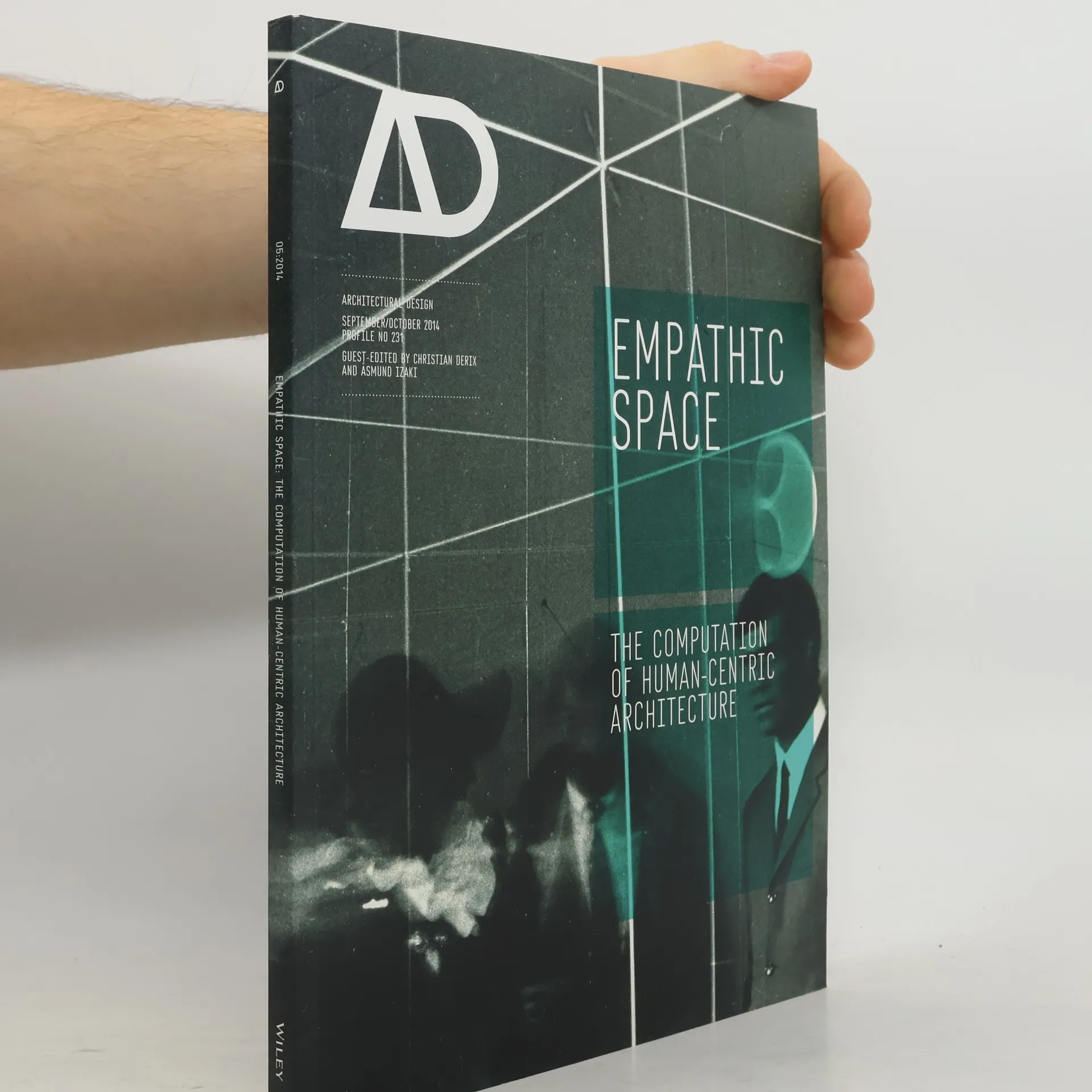
  • Empathic Space

    • 144 pages
    • 6 hours of reading

    This book explores the resurgence of spatial considerations in architecture and urban design, emphasizing user experiences and behavioral patterns. It highlights a blend of human-centric design with computational techniques, revisiting early 20th-century organic architecture methods. Contributors include notable architects and designers, enriching the discourse on spatial computation.

    Empathic Space
    3.5
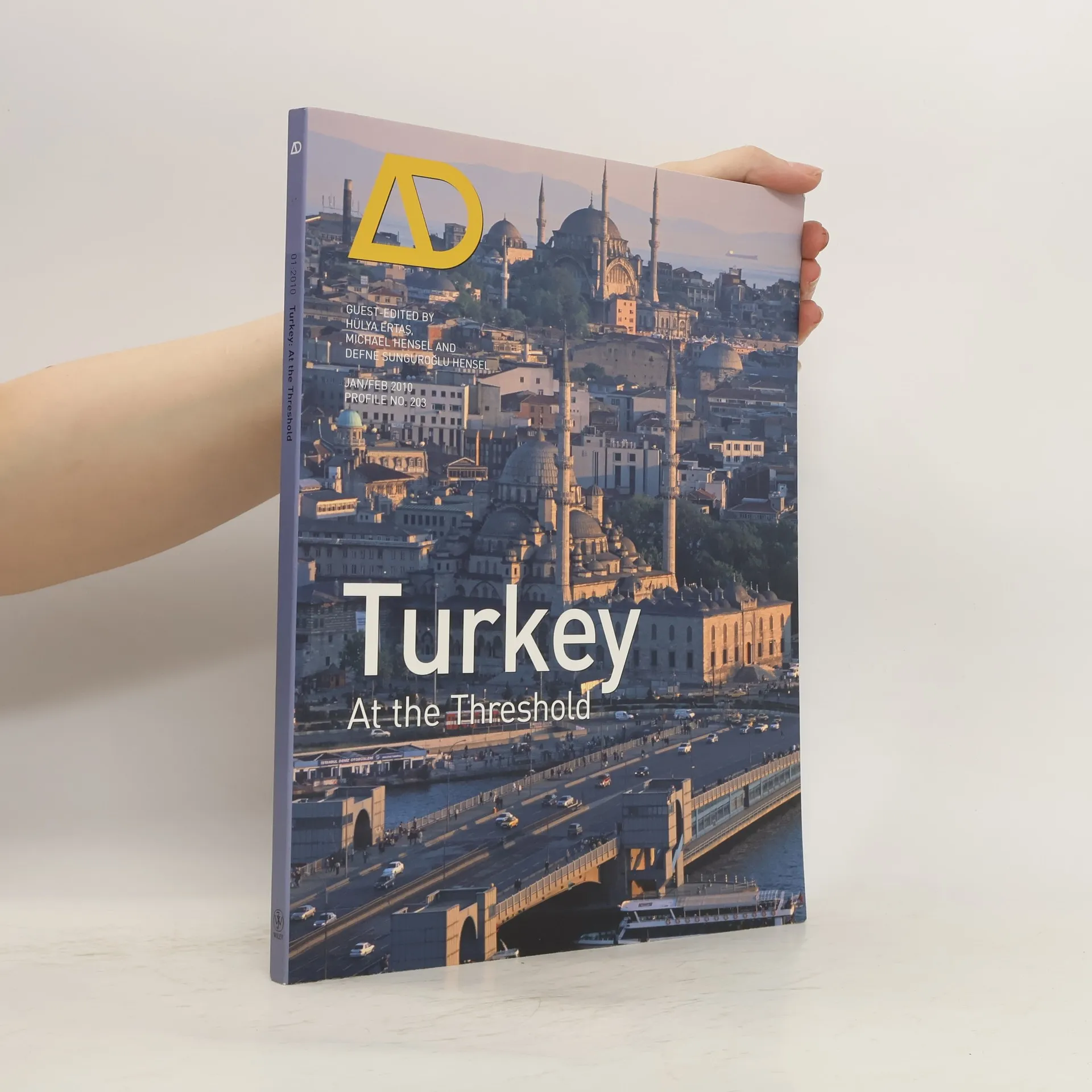
  • All eyes are currently on Turkey with Istanbul's status as European Capital of Culture 2010. It makes it a pertinent moment to take stock and to look at Turkey's past, present and future, bringing the nation's cultural renaissance and evolution to the fore internationally. Since the early 2000s, Turkey has undergone a remarkable economic recovery, which has been accompanied by urban development and a cultural flowering. Positioned between an expanding European Union and an unstable Middle East, the country provides a fascinating interface between the Occident and the Orient. Taking into account the current political concerns with consolidating Eastern and Western cultures, Turkey is poised at a vital global

    Turkey : At the Threshold
    3.0
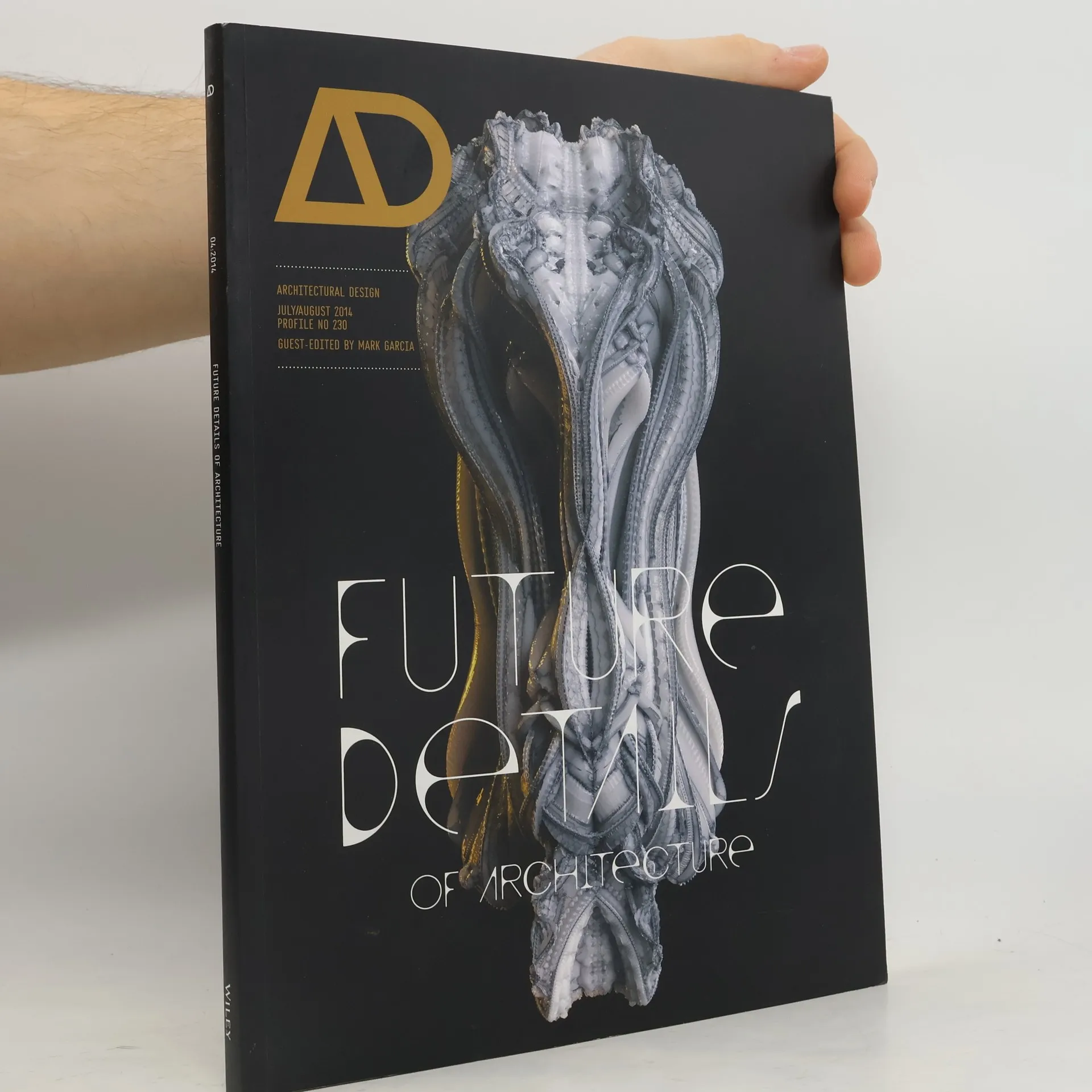
  • Despite the exaggerated news of the untimely 'death of the detail' by Greg Lynn, the architectural detail is now more lifelike and active than ever before.

    Future Details of Architecture
    3.2
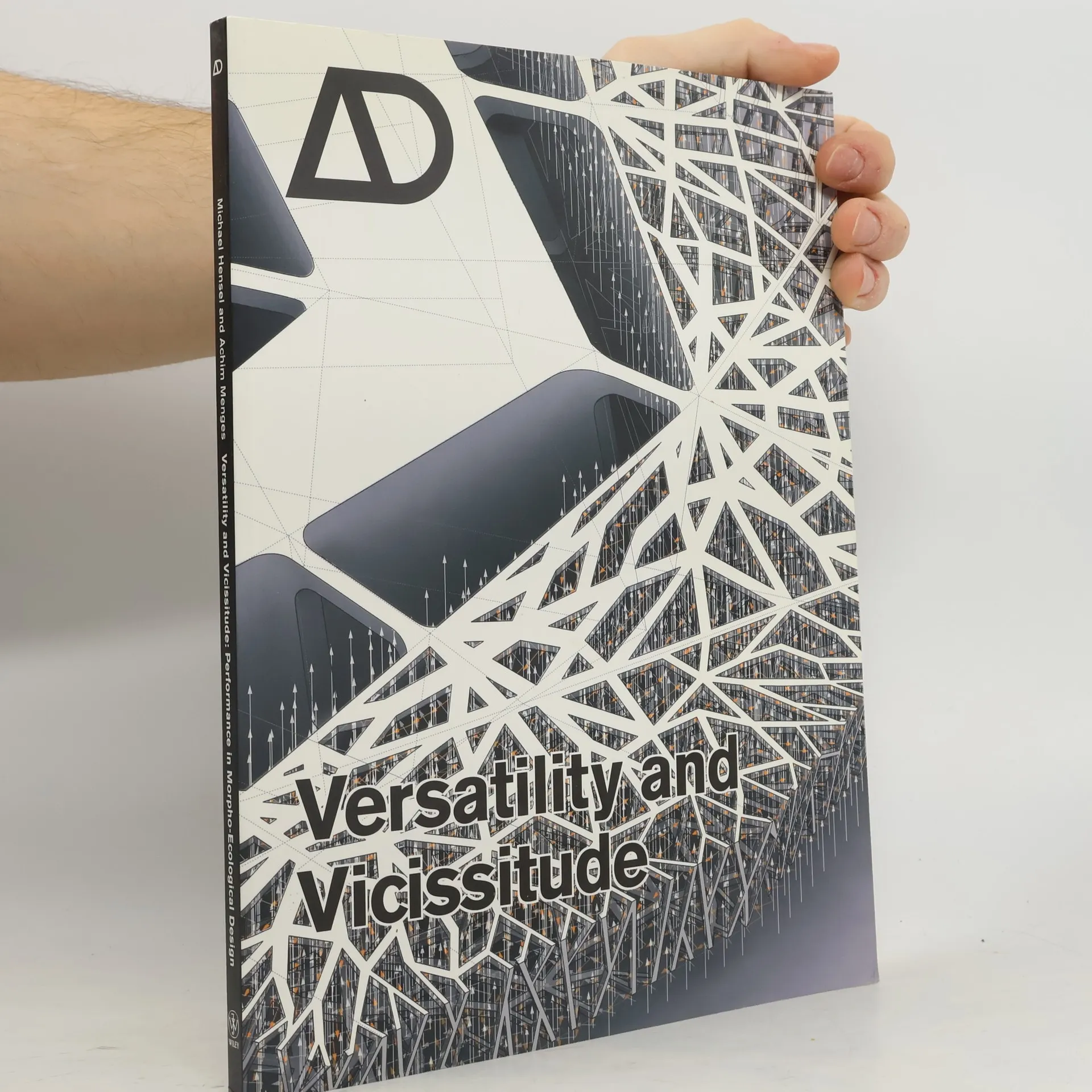
  • This issue of AD, edited by Hensel and Menges, explores morpho-ecological design through the lens of performance, redefining form as a dynamic interaction with the environment. It highlights historical precedents and current innovations, showcasing contributors who emphasize sustainability through integral design solutions.

    Versatility and Vicissitude
    3.7
  • Is modern architecture no longer equipped to deal with the 'great themes' in architecture? By focusing on the tragic genre, this title asks some of the most far-reaching questions about the meaning of contemporary architecture. Has a modern delight in functionalism and repression of figuration put paid to the expression of human themes and narrative content? When put to the test, what has been the approach of contemporary architects who have been called upon to tackle the most abject horrors of our age such as the Holocaust?By holding the classical form of the tragic up for scrutiny, the texts in this title explore the ways that architects have also been seeking to deal with the incomplete, the fragmented and partial, the historicisation of nature and the appearance of the popular culture. There are substantial essays on the theme by Robert Maxwell, John Outram, David Hamilton Eddy and Richard Patterson. Buildings are also analysed, which express some of the great human themes or tragedies in our time. These include, among others, Foster's Berlin Reichstag, Libeskind's Jewish Museum and Chipperfield's designs for the San Michele Cemetery in Venice.ArchitectsDavid ChipperfieldPeter EisenmanFoster and PartnersJames Ingo FreedDaniel LibeskindJohn Outram

    Architectural Design: The Tragic in Architecture