Necropolis
- 320 pages
- 12 hours of reading
A vivid historical narrative of how London has dealt with its dead from pagan burial rites through the Black Death to the Blitz and the death of Diana.


This series delves into the peculiar and often overlooked histories of London. It uncovers hidden chapters of the city's past, populated by eccentric characters and surprising events. It's a compelling read for those who enjoy discovering the lesser-known but fascinating facets of urban history.

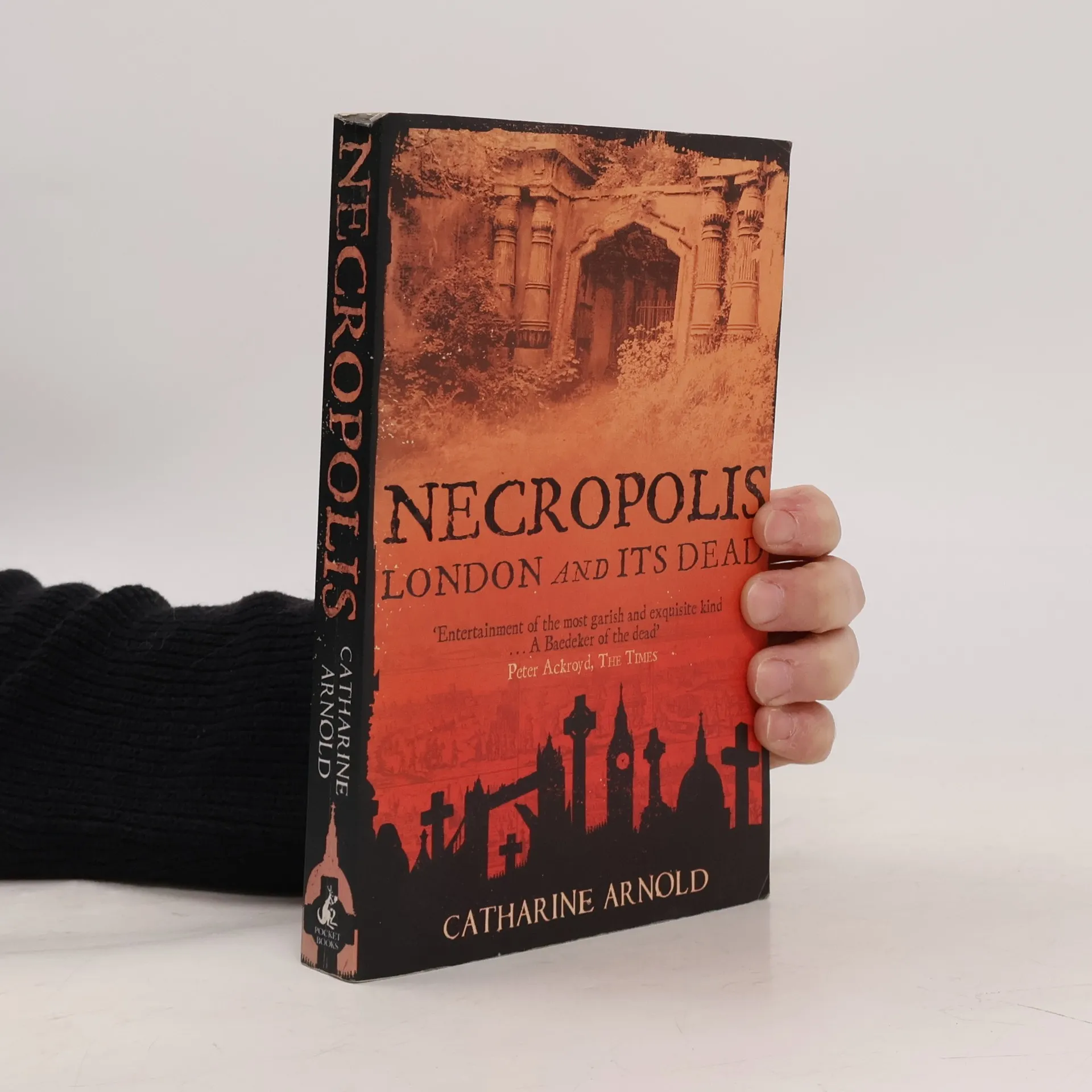
A vivid historical narrative of how London has dealt with its dead from pagan burial rites through the Black Death to the Blitz and the death of Diana.
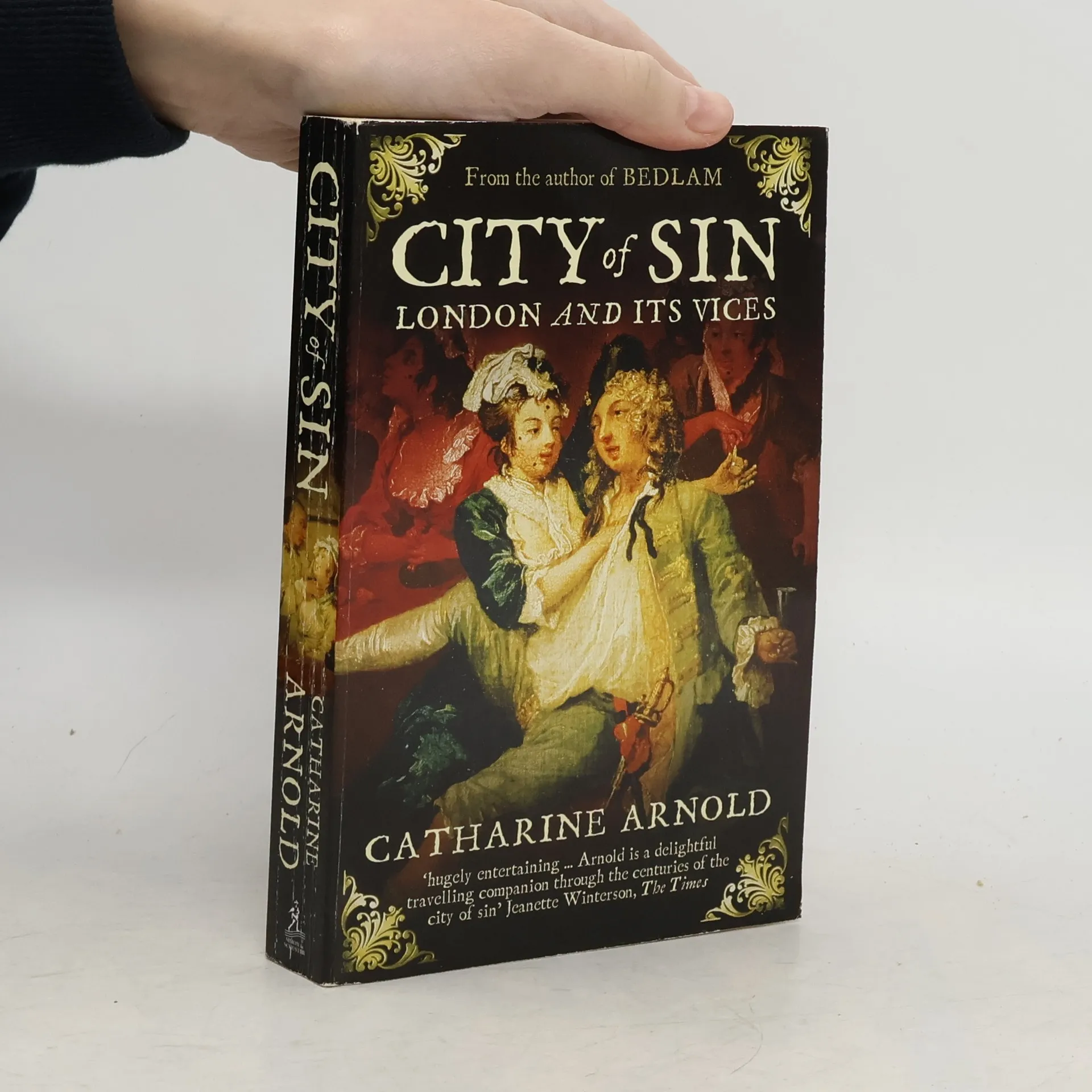
If Paris is the city of love, then London is the city of lust. This vibrant chronicle explores London's relationship with sex through the ages, revealing how England's capital has been associated with desire and the sins of the flesh for over a thousand years. Richard of Devises, a monk in 1180, noted the prevalence of obscenities, while as early as the second century AD, London was infamous for its raucous festivities and disorderly houses. Award-winning historian Catharine Arnold examines the city's vice-laden history, showcasing how London has always traded in the currency of sex. From pornographic publishers on Fleet Street to courtesans in Haymarket, the streets have witnessed a range of colorful sexual behaviors. Arnold's accessible style takes readers on a journey through London's fleshpots, featuring buxom strumpets, louche aristocrats, and Victorian flagellants. The narrative captures the city's oscillation between sexual exuberance and moral panic, swinging from Puritanism to hedonism. With later chapters delving into Victorian London and the twentieth-century sexual underground, this chronicle presents a fascinating look at the raw and ribald aspects of the city.
A fascinating portrait of the capital's dark and criminal underbelly throughout history
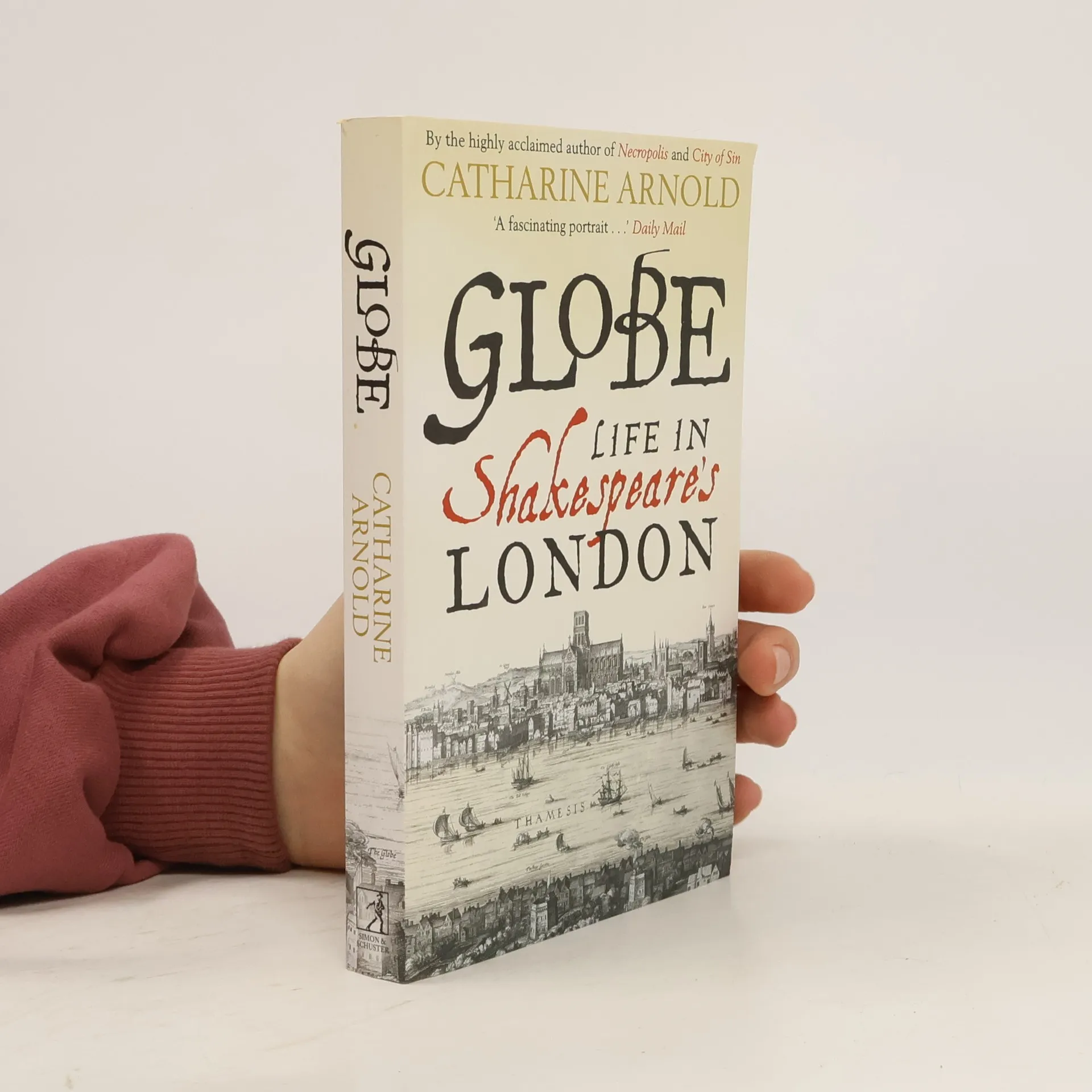
The life of William Shakespeare, Britain's greatest dramatist, was inextricably linked with the history of London. Together, the great writer and the great city came of age and confronted triumph and tragedy. Triumph came when Shakespeare's company, the Chamberlain's Men, opened the Globe playhouse on Bankside in 1599, under the patronage of Queen Elizabeth I. Tragedy touched the lives of many of his contemporaries, from fellow playwright Christopher Marlowe to the disgraced Earl of Essex, while London struggled against the ever-present threat of riots, rebellions and outbreaks of plague.