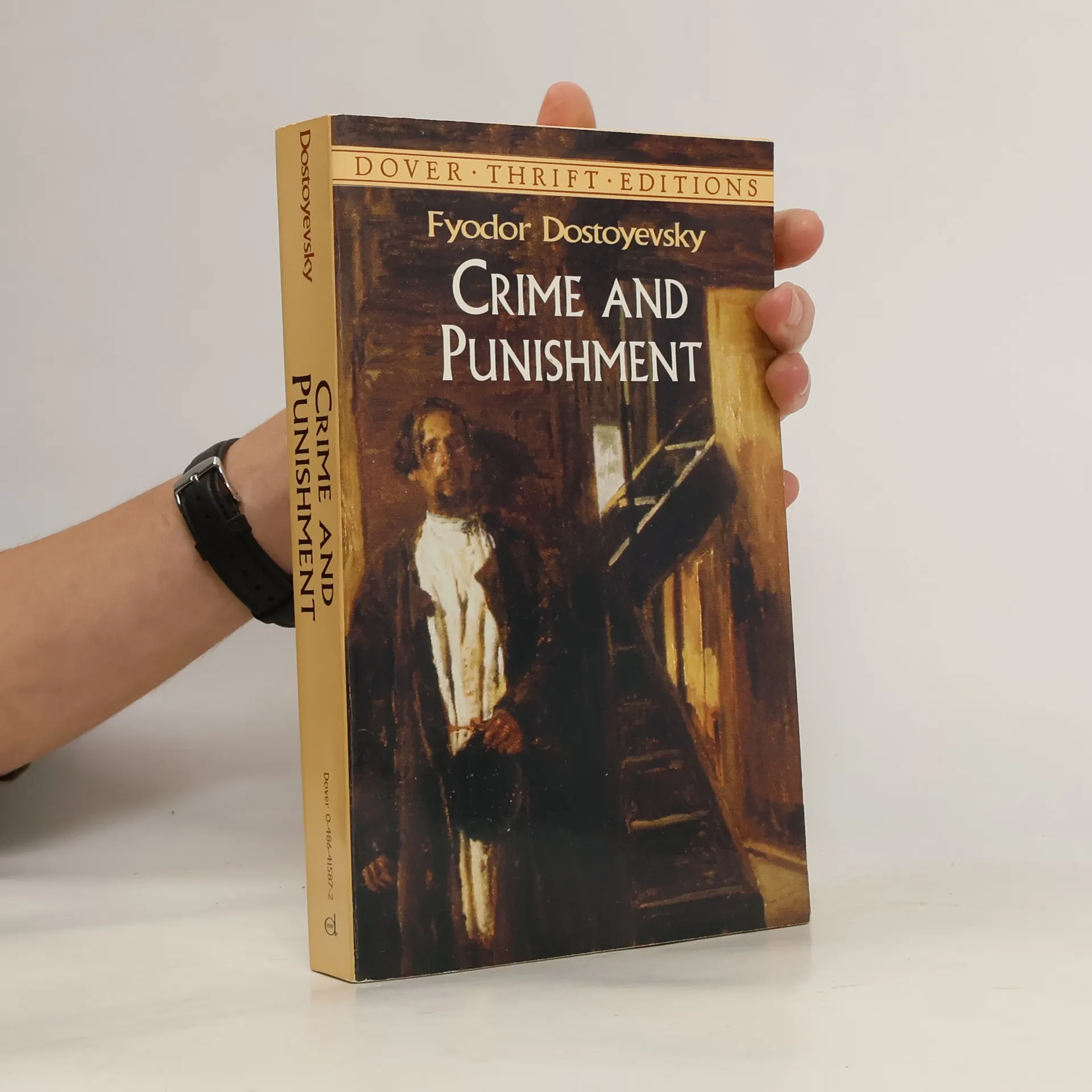
This series delves into the depths of the human psyche and moral complexities. It follows characters grappling with the consequences of their actions, seeking redemption in harsh environments. The narratives are often steeped in suspense, where the lines between right and wrong are constantly blurred. Expect a profound exploration of guilt, punishment, and the relentless pursuit of truth within intricate social landscapes.
In a timeless story of justice, morality, and redemption, an impoverished Russian student murders a miserly landlady, a crime that has severe repercussions on his life and his family as he battles his conscience.
L'atto fondante del romanzo è l'omicidio di una vecchia usuraia, avvenuto in un edificio di San Pietroburgo, ad opera dello studente Raskolnikov. La sua riflessione sul movente del crimine, l'influenza di Sonia e una misteriosa forza interiore spingono il protagonista a denunciare se stesso e a diventare oggetto di un castigo liberamente accettato. È durante gli anni di carcere che si rivela il suo amore per Sonia e il percorso verso la redenzione. "Delitto e castigo" è il secondo "grande romanzo" di Dostoievski, scritto contemporaneamente a "Il giocatore" nel 1866, periodo in cui l'autore tornava dalla deportazione in Siberia e si avviava verso gli anni più produttivi della sua carriera: "L'idiota", "Il marito eterno" e "I demoni" sarebbero stati pubblicati dal 1866 al 1871.