
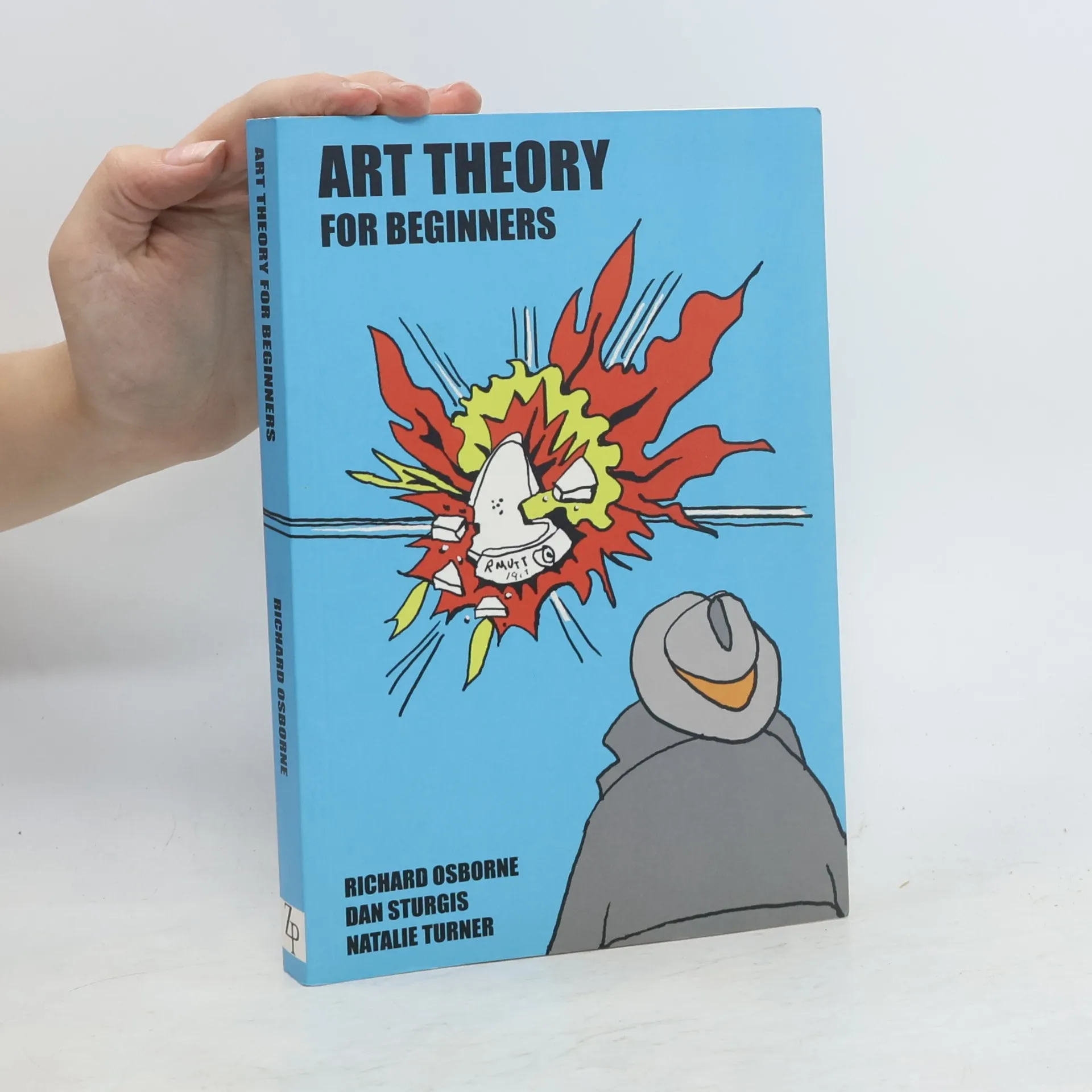

The authors show how the idea of art has developed in the last 5,000 years and how we have reached the point we are at now. They provide a complete survey of all of the aesthetic, historical and practical questions that surround the idea of art. it's a concise and coherent overview/introduction to the main ideas that have shaped western art and culture from the ancient Greeks up to the present day.This is a unique introduction to the ideas of art and not only describes the theories of art but puts them in an historical context to give the reader a wider understanding. Clearly written in demystifies complex theories of art and shows the reader how to make sense of the history of art and of how theory has influenced artists. Illustrated by key images from art history it allows the reader to grasp both the ideas and the images, and how they relate. There are references to Eastern art and other art traditions and these are related to the development of Western art. Contemporary art and art theories are also dealt with, providing the most complete introduction to art theory in existence.
For Beginners Series
This series offers a friendly and accessible introduction to a wide range of topics, from personal growth to practical skills. Each book is designed to demystify complex subjects, making them approachable for anyone. It provides clear explanations and actionable advice, ideal for those looking to expand their knowledge and explore new interests. This is a great starting point for novices in any field.


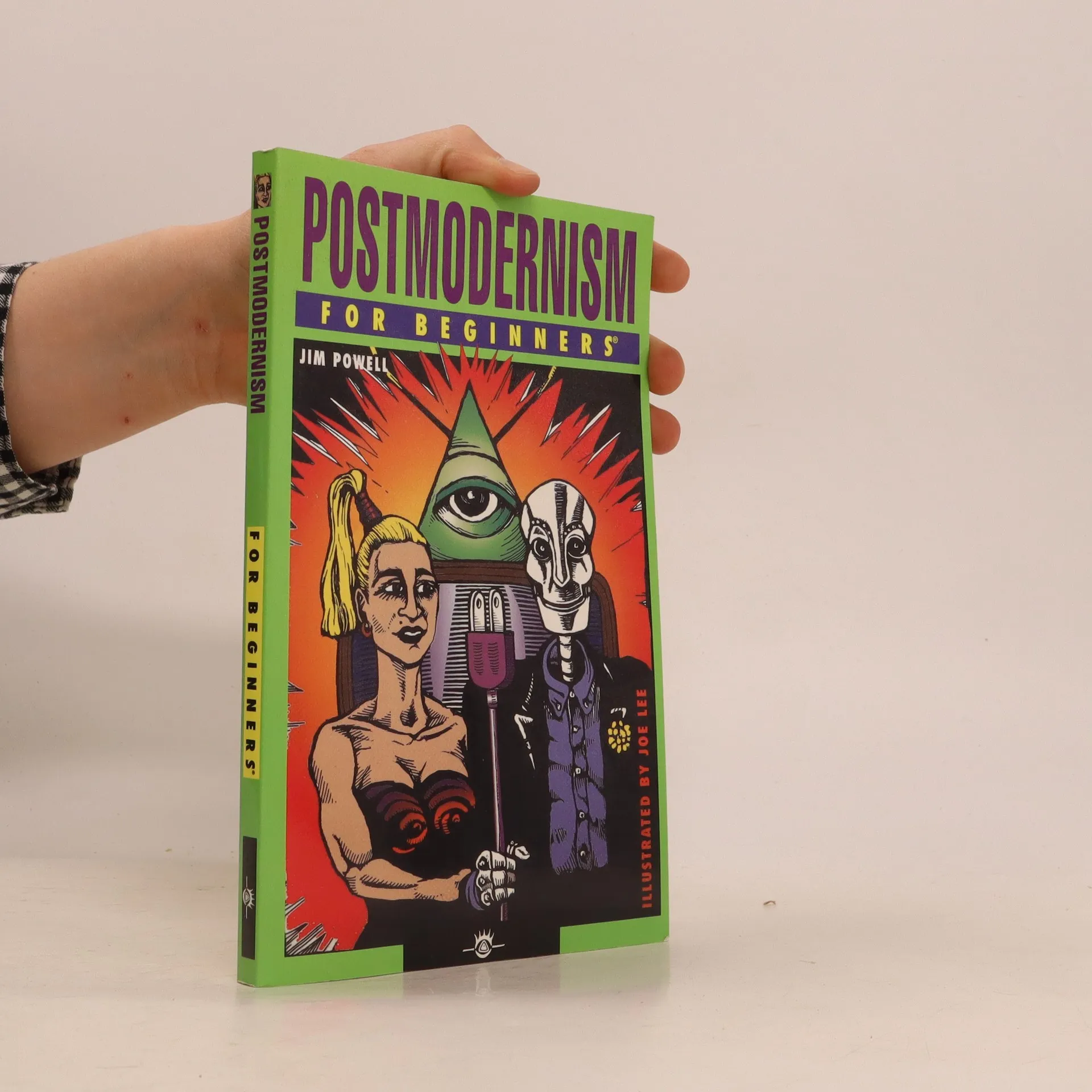
Postmodernism for Beginners
- 192 pages
- 7 hours of reading
If you are like most people, you're not sure what Postmodernism is. And if this were like most books on the subject, it probably wouldn't tell you. Jim Powell takes the position that Postmodernism is a series of `maps' that help people find their way through a changing world. Postmodernism For Beginners features the thoughts of Foucault on power and knowledge, Jameson on mapping the postmodern, Baudrillard on the media, Harvey on time-space compression, Derrida on deconstruction and Deleuze and Guattari on rhizomes.
Von der Höhlenmalerei bis zur Postmoderne – die Kunsttheorie für Einsteiger hält, was sie ver- spricht: einen kurzgefassten und unterhaltsa- men Überblick über die wichtigsten historischen und aktuellen Kunstdebatten. Was ist Kunst? Wieso ist sie nicht immer schön? Wie unter scheidet man gute von schlechten Kunstwerken? Wie konnte es eigentlich passieren, dass ein Urinal der Sanitärfirma J. L. Mott Iron Works zu einem berühmten Kunstwerk wurde? Und weshalb konnte im vergangenen Jahr eine Dortmunder Putzfrau im Falle einer Kippenberger-Skulptur Kunst nicht von Dreck unterscheiden? Wer nicht länger ratlos durch Museen und Galerien stolpern, sondern mitreden will, hat es jetzt ganz leicht: Die Kunsttheorie für Einsteiger führt in geistreichen Cartoons durch die Geschichte der Kunst und ihrer Theorien. Was bisher kompliziert war, machen Richard Osborne, Dan Sturgis und Natalie Turner zu einem großen Vergnügen. Sie erklären, warum es Kunst ist, wenn Jackson Pollock Leinwände mit Farbe bekleckert oder Joseph Beuys fünf Kilo Butter an die Wand klebt. Auch was man genau unter Impressionismus, Realismus, Dada oder Kubismus versteht, wird anhand berühmter Kunstwerke erläutert. Ausgestattet mit diesem Hintergrundwissen macht auch der nächste Museumsbesuch garantiert Spaß. Maler, Kunsthistoriker und Philosophen, alle haben ihren Auftritt, um gemeinsam zu zeigen, wie sich die Idee der Kunst in den letzten 5000 Jahren entwickelt hat.
Derrida for Beginners
- 186 pages
- 7 hours of reading
Since 1968, in coffeehouses around the world, intellectuals have been talking about Jacques Derrida and Deconstruction. Jim Powell has written the most lucid introduction available on this important philosopher, whose abstruse mode of philosophizing remains incomprehensible to even the best-educated minds. Speaking tours.
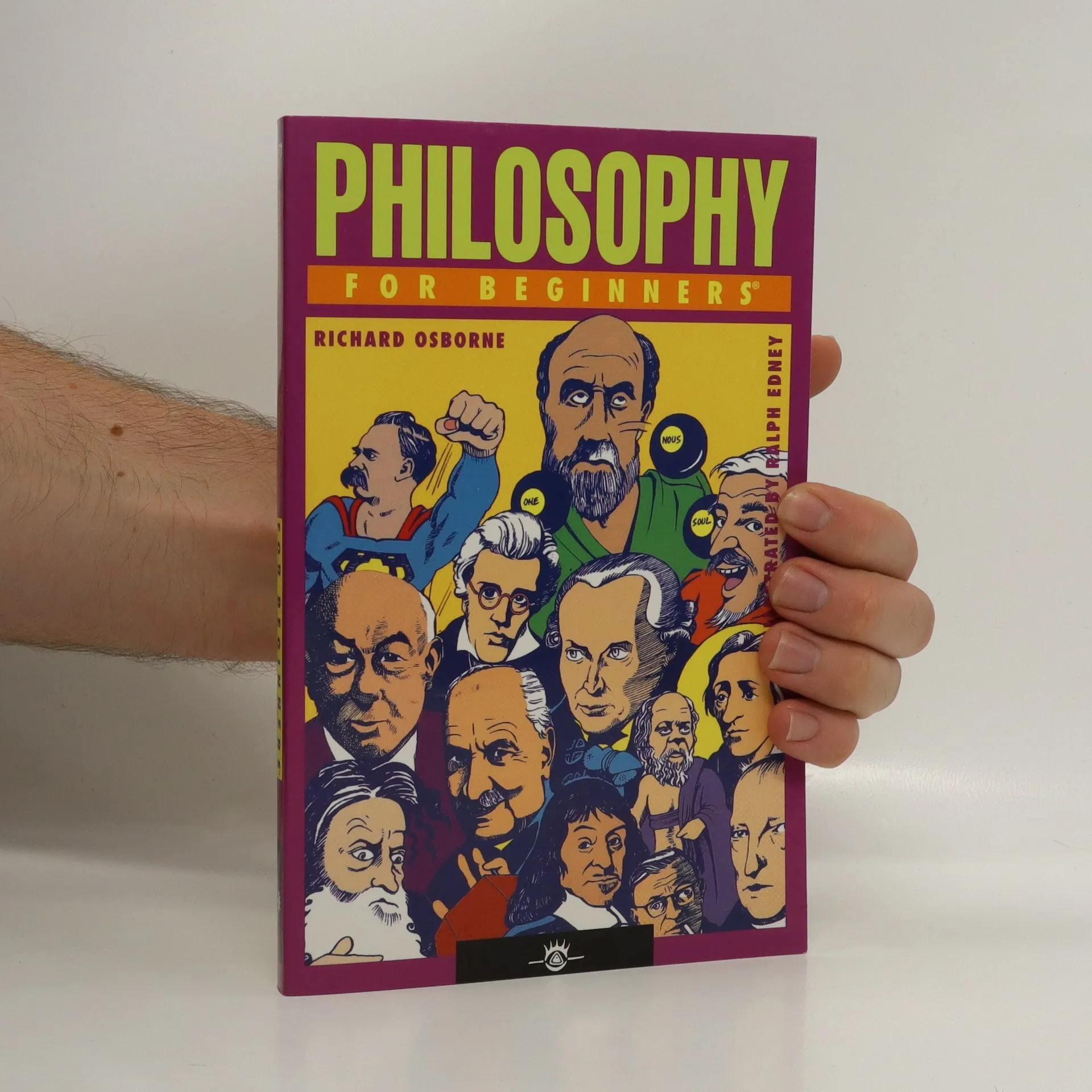
Philosophy for Beginners
- 216 pages
- 8 hours of reading
Why does philosophy give some people a headache, others a real buzz, and yet others a feeling that it is subversive and dangerous? Why do a lot of people think philosophy is totally irrelevant? What is philosophy anyway? The ABCs of philosophy - easy to understand but never simplistic. Beginning with basic questions posed by the ancient Greeks - What is the world made of? What is a man? What is knowledge? What is good and evil? - Philosophy For Beginners traces the development of these questions as the key to understanding how Western philosophy developed over the last 2,500 years.

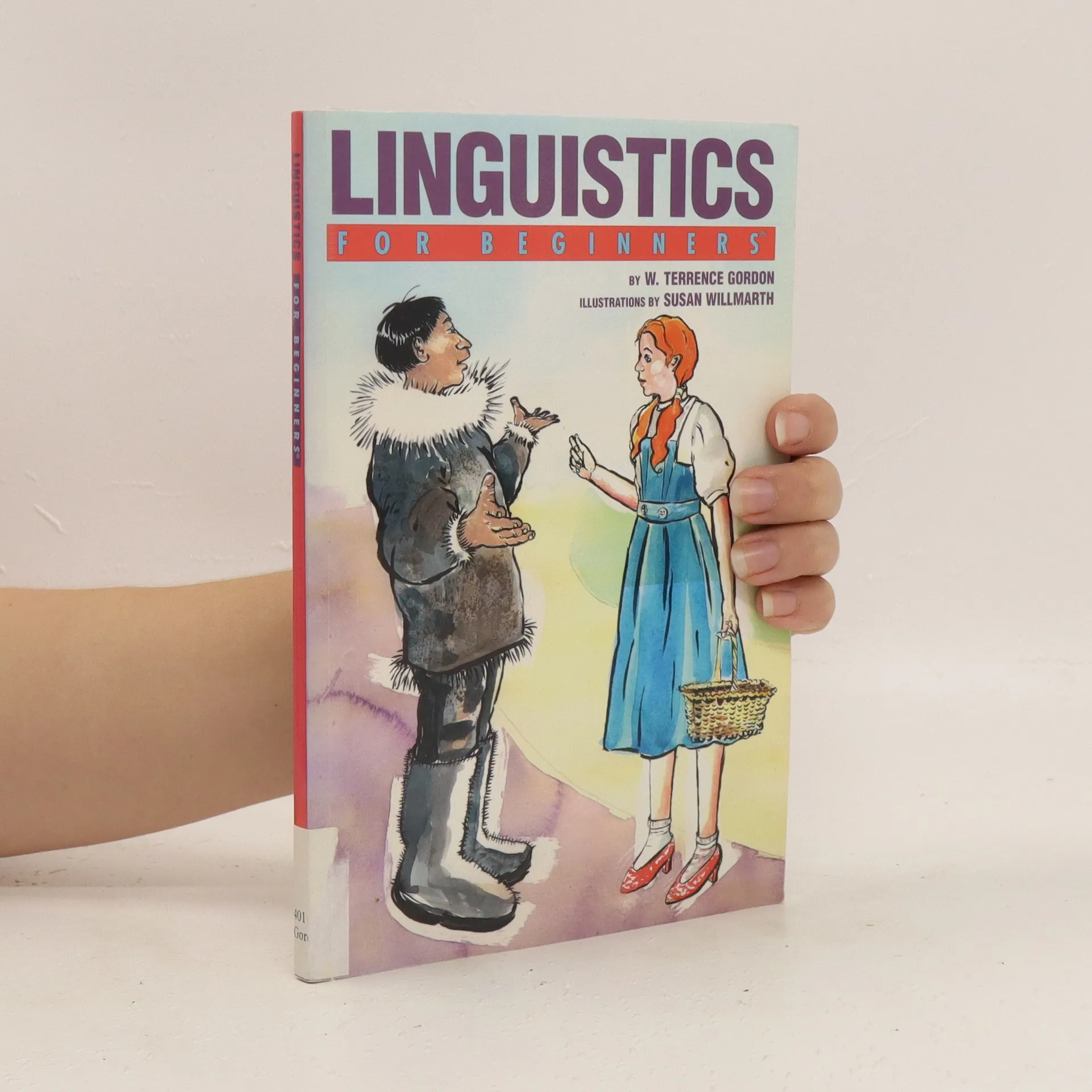
Linguistics for Beginners
- 123 pages
- 5 hours of reading
Linguistics For Beginners is the first book to ever make the arcane labors of linguistics accessible to general readers. It begins with a lucid definition of language and proceeds to examine how it becomes the subject matter of linguistics. Key topics include the contrast between writing and speech, and elementary lessons in analyses ranging from simple sounds to entire sentences. Absurd fictions such as Eskimos having hundreds of words for snow are exploded, and the borderlands between linguistics and philosophy are investigated. Linguistics For Beginners teaches concise lessons using wit and whimsy making for a memorable learning experience. The reader will learn about language acquisition, ancient languages, little-known languages, tonal and whistle languages, linguistic engineering, structuralism, language origins, the anthropological approach to linguistics, kinship semantics, color lexicons, geographical linguistics, and much more! Linguistics For Beginners is the key tool for linguistic students of any level.
Islam for Beginners
- 216 pages
- 8 hours of reading
Five times a day, close to a billion people turn to the Ka’aba in submission to Allah/God. In the seventeenth century the religion of Islam was revealed to the Prophet Mohammad through the Holy Koran. Since then, Islam has spread to every corner of the world. Starting with the life of Prophet Mohammad, Islam For Beginners details the historic beginnings of Islam and its spread throughout the Middle East and Africa on to the European and American continents. It describes the major achievements of the Muslim community worldwide and examines the influence Islam has had on other cultures. In keeping with Islamic tradition, the illustrations in the book are rendered in two-dimensional silhouettes and shadows and include the repetitive, extendible patterns representative of Islamic expression.
Nietzsche for Beginners
- 192 pages
- 7 hours of reading
The unorthodox life and ideas of Friedrich Nietzsche, the philosopher who defiantly claimed 'God is Dead', come alive in this documentary history. Here is a clear picture of the time in which the revolutionary philosopher lived as well as his famous love affairs, his theories of Superman, the Antichrist and nihilism. Nietzche's work had a major impact on the 20th century, including being manipulated and used by the Nazis to justify their cause during World War 2.

