

Explore the latest books of this year!
Bookbot

Harvard Cold War Studies

This series delves into the intricate history and consequences of the Cold War. Authors meticulously examine fresh archival evidence to reassess established theories and uncover the nuances of this pivotal era. It seeks to foster a deeper understanding of the international relations and domestic politics that shaped the global landscape. Offering insightful analyses and innovative perspectives, this collection appeals to scholars and students alike.

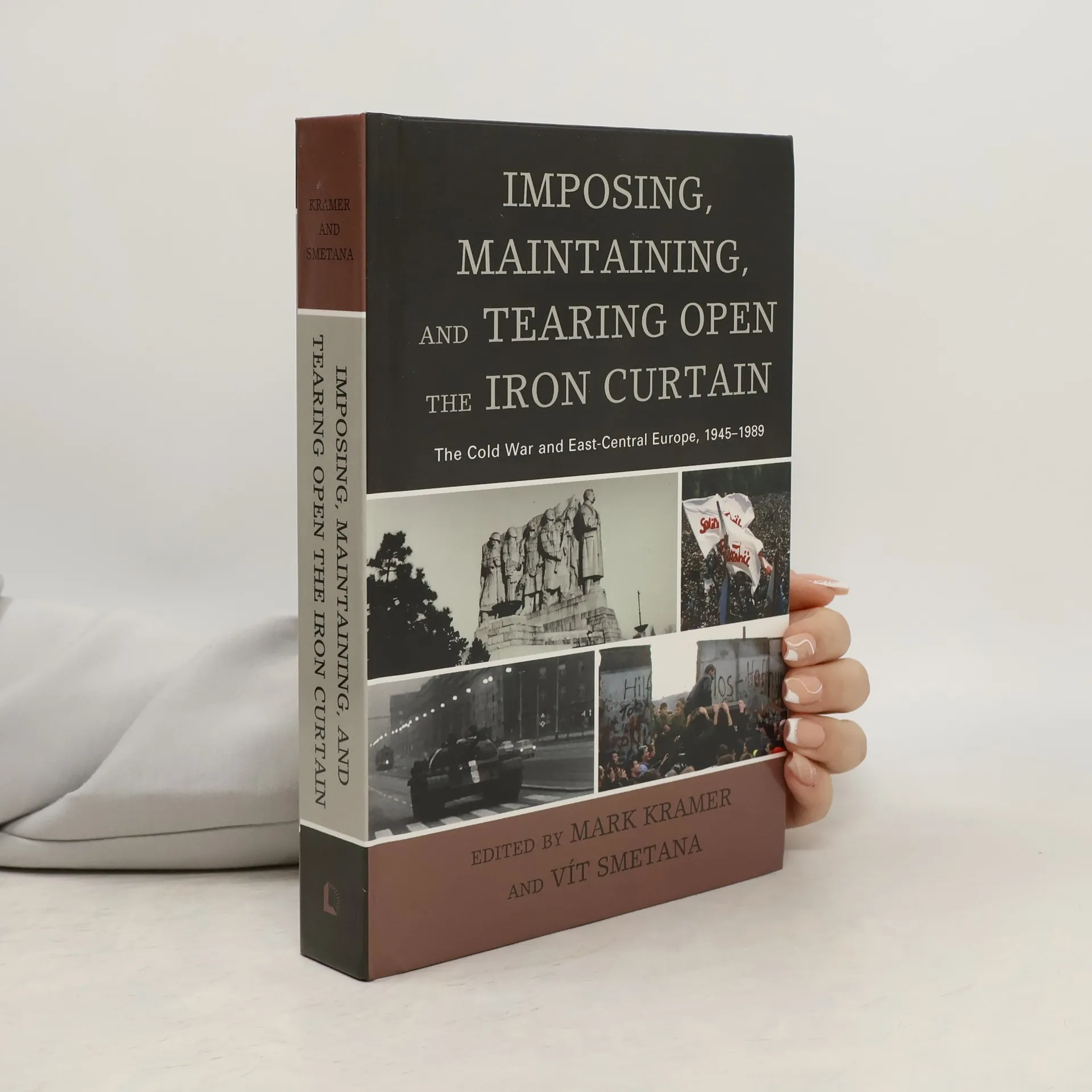
Imposing, Maintaining, and Tearing Open the Iron Curtain
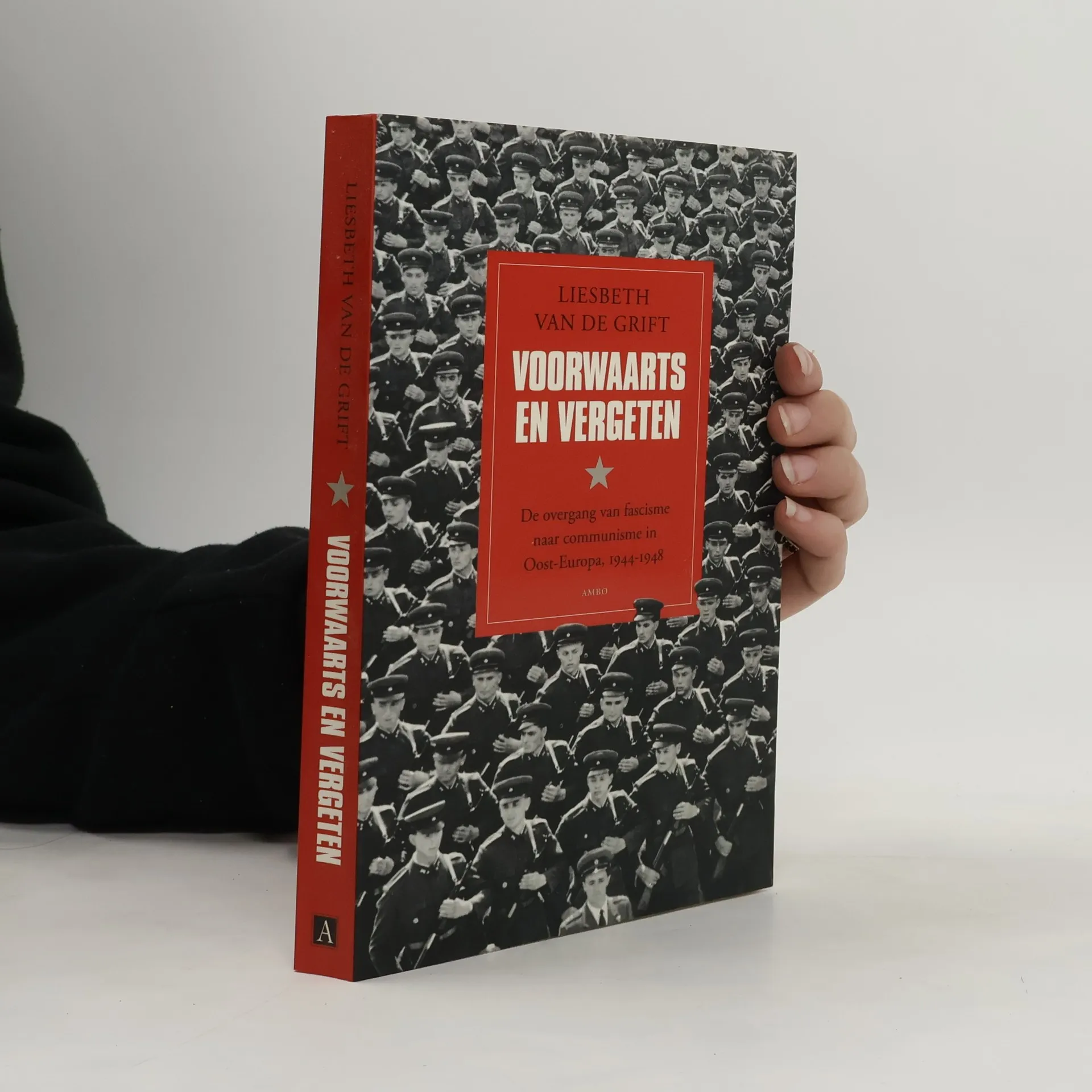
Voorwaarts en vergeten
The Struggle for the Soul of the Nation
Triggering Communism's Collapse
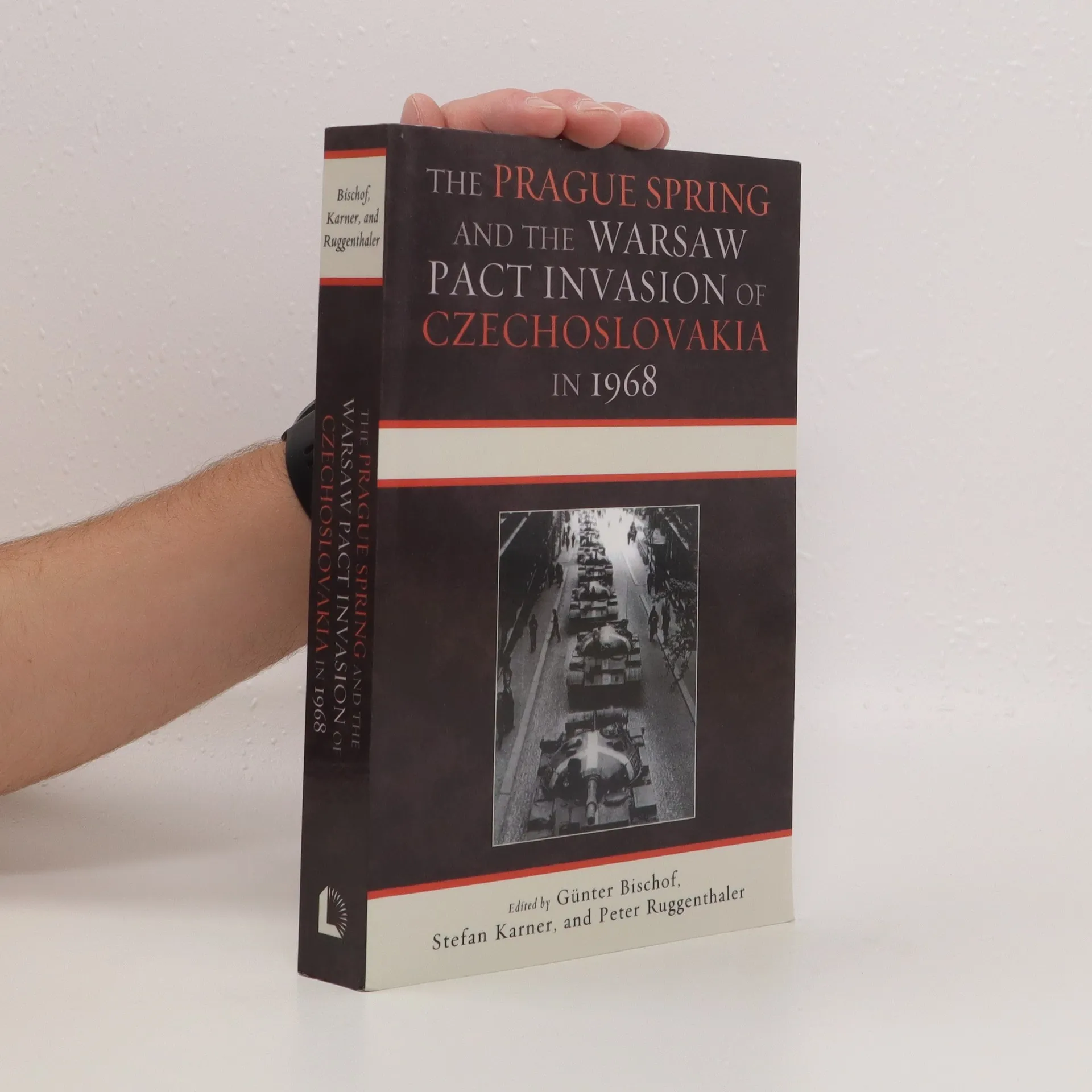
The Prague Spring and the Warsaw Pact invasion of Czechoslovakia in 1968
  • On August 20, 1968, a massive deployment of Soviet and East European forces invaded Czechoslovakia to quash the 'Prague Spring' reforms and restore a strict Communist regime. Initially hesitant, Soviet leader Leonid Brezhnev ultimately decided that military intervention was necessary after months of deliberation. Within 24 hours of the invasion, troops from the Soviet Union, Poland, Hungary, and Bulgaria established complete control, effectively ending the hopes for 'socialism with a human face.' Although Alexander Dubcek and other reformers were briefly reinstated, their main task from late August 1968 to April 1969 was to reverse the reforms. By April 1969, Dubcek was ousted permanently, marking the definitive end of the Prague Spring. Soviet leaders defended the invasion by claiming it was their 'right' and 'sacred duty' to protect socialism in Czechoslovakia. While the invasion caused some rifts within the Communist bloc, it largely succeeded in achieving Soviet objectives. The United States and NATO allies protested but did not take direct military action, leading historians to analyze this critical moment in the Cold War using new archival evidence. They also explore the U.S. response and whether Washington inadvertently signaled approval to the Soviet Union before the invasion.

    The Prague Spring and the Warsaw Pact invasion of Czechoslovakia in 1968
    5.0
  • Triggering Communism's Collapse

    Perceptions and Power in Poland's Transition

    • 258 pages
    • 10 hours of reading

    Focusing on the collapse of Poland's communist state, the book delves into the underlying causes and far-reaching consequences of this significant historical shift. Through extensive research and interviews, it also analyzes how contemporary leaders navigate the enduring legacies of this transition, providing insight into the political and social challenges that remain.

    Triggering Communism's Collapse
    5.0
  • The material effects of World War II and Eastern Europe's undemocratic interwar history propelled radical social change onto the postwar agenda in the region, shaping debates in immediate postwar Czech society. These discussions took on cultural and political forms, focusing on the recent past and the nation's position on the East-West continuum, as well as the meaning of socialism. The examination of historical and cultural debates in Czech society after WWII reveals that communist leaders effectively controlled narratives surrounding the interwar First Republic, Munich, and WWII, influencing perceptions of the nation’s alignment. This control was reflected in the political struggles of the time, particularly regarding socialism. The communists engaged with opponents from the democratic socialist and Roman Catholic camps, and notably garnered support from a significant Protestant church. Through a careful analysis of major publications, the author reconstructs a postwar atmosphere that was open to radical social change, challenging the conventional understanding of the communists' ascent to power. This work not only enhances the literature on Czech history but also prompts broader inquiries into the connections between war and social transformation, the communist takeover, and the role of intellectuals in public discourse.

    The Struggle for the Soul of the Nation
    3.7
  • Voorwaarts en vergeten

    De overgang van fascisme naar communisme in Oost-Europa, 1944-1948 - Druk 1

    • 218 pages
    • 8 hours of reading

    Communistische partijen in Midden- en Oost-Europa zagen met de komst van het Rode Leger in 1944-1945 hun kans schoon. Ze grepen binnen korte tijd de regeringsmacht, schakelden politieke tegenstanders uit en ontdeden het staatsapparaat van ‘ongewenste elementen’. Maar wie waren precies die ‘ongewenste elementen’? Ontsloegen de communisten werkelijk al het oude personeel, zoals vaak wordt beweerd? Waar haalden zij dan zo snel nieuwe en geschikte mensen vandaan? Met andere woorden, was er wel echt sprake van een radicale personele breuk na 1945? Liesbeth van de Grift zocht het antwoord op deze vragen in de communistische archieven in Berlijn en Boekarest. Ze laat in dit boek zien dat Duitse en Roemeense communisten politieke betrouwbaarheid van groot belang achtten, maar dat ze tegelijkertijd inzagen dat de inzet van voormalige fascisten en oude personeelsleden onmisbaar was. Alleen zo konden zij decommunistische machtsovername veiligstellen. De personele breuk na 1945 was dan ook lang niet zo totaal als vaak wordt gedacht.

    Voorwaarts en vergeten
    2.6
  • Imposing, Maintaining, and Tearing Open the Iron Curtain

    The Cold War and East-Central Europe, 1945–1989

    • 582 pages
    • 21 hours of reading

    The Cold War began in Europe in the mid-1940s and ended there in 1989. Notions of a “global Cold War” are useful in describing the wide impact and scope of the East-West divide after World War II, but first and foremost the Cold War was about the standoff in Europe. The Soviet Union established a sphere of influence in Eastern Europe in the mid-1940s that later became institutionalized in the Warsaw Pact, an organization that was offset by the North Atlantic Treaty Organization (NATO) led by the United States. The fundamental division of Europe persisted for forty years, coming to an end only when Soviet hegemony in Eastern Europe dissolved. Imposing, Maintaining, and Tearing Open the Iron The Cold War and East-Central Europe, 1945–1989, edited by Mark Kramer and Vít Smetana, consists of cutting-edge essays by distinguished experts who discuss the Cold War in Europe from beginning to end, with a particular focus on the countries that were behind the iron curtain. The contributors take account of structural conditions that helped generate the Cold War schism in Europe, but they also ascribe agency to local actors as well as to the superpowers. The chapters dealing with the end of the Cold War in Europe explain not only why it ended but also why the events leading to that outcome occurred almost entirely peacefully.

    Imposing, Maintaining, and Tearing Open the Iron Curtain