Explore the latest books of this year!
Bookbot

Images of America: Michigan

This series offers a captivating exploration of the rich history and diverse cultures of the American state of Michigan. Through hundreds of fascinating vintage photographs, the stories of small towns, bustling cities, and iconic landmarks come alive. Each volume provides a unique glimpse into the people, places, and events that have shaped this compelling Great Lakes region. History buffs and nostalgia seekers will delight in this visual journey through time.

Detroit's Infamous Purple Gang
Shelby Township
Traverse City State Hospital
Keweenaw County
Livonia
Motor City Mafia
  • Motor City Mafia

    A Century of Organized Crime in Detroit

    • 128 pages
    • 5 hours of reading

    Motor City Mafia: A Century of Organized Crime in Detroit chronicles the storied and hallowed gangland history of the notorious Detroit underworld. Scott M. Burnstein takes the reader inside the belly of the beast, tracking the bloodshed, exploits, and leadership of the southeast Michigan crime syndicate as never before seen in print. Through a stunning array of rare archival photographs and images, Motor City Mafia captures Detroit's most infamous past, from its inception in the early part of the 20th century, through the years when the iconic Purple Gang ruled the city's streets during Prohibition, through the 1930s and the formation of the local Italian mafia, and the Detroit crime family's glory days in the 1950s, 1960s, and 1970s, all the way to the downfall of the area's mob reign in the 1980s and 1990s.

    Motor City Mafia
    3.7
  • Livonia

    • 128 pages
    • 5 hours of reading

    Set in the early 20th century, the story explores the transformation of Livonia from a rural community with farms and cheese factories to a bustling township influenced by the booming auto industry in nearby Detroit. As white-collar workers flock to the area, the narrative delves into the social and economic changes that reshape the lives of its residents, reflecting broader themes of progress and community evolution during a pivotal era in American history.

    Livonia
    4.3
  • Keweenaw County

    • 128 pages
    • 5 hours of reading

    Keweenaw County, Michigan, is characterized by its vast landscapes and sparse winter population, which swells during the summer months with seasonal residents. Established in 1861 from Houghton County, it occupies the northern part of the Keweenaw Peninsula, historically significant for its copper mining boom in the 1800s. The construction of Fort Wilkins in Copper Harbor was pivotal for maintaining order among miners and the Ojibwa people. Over the years, the county evolved from a mining hub to a center for maritime, fishing, and lumbering industries, ultimately transforming into a popular resort destination.

    Keweenaw County
    4.4
  • The history of Northern Michigan Asylum, established in 1885, is explored through its founding context, significant figures like Dr. James Decker Munson, and its evolution over 104 years as Traverse City State Hospital. The narrative covers the institution's peak population of 3,000, its impact on mental health care in Michigan, and the eventual decline leading to its closure in 1989. The book also highlights efforts for renovation and preservation, emphasizing its enduring significance within the Traverse City community.

    Traverse City State Hospital
    4.1
  • Shelby Township

    • 128 pages
    • 5 hours of reading

    The historical evolution of Shelby Township, Michigan, highlights its transformation from a fertile farming community in the 19th century to a modern landscape dominated by automobile-related industries. Initially surveyed in 1818, the area became a thriving agricultural hub, notable for its role in the Underground Railroad and later as the residence of boxer Joe Louis. The township's development included the ill-fated Clinton and Kalamazoo Canal, and by the mid-20th century, the Packard Motor Car Company significantly altered its character, leading to the suburban and industrial growth observed today.

    Shelby Township
    3.2
  • Detroit's Infamous Purple Gang is a photographic history of one of the most notorious organized crime groups of the 20th century. The photographs chronologically follow the evolution of the Purples from their days as a juvenile street gang through their rise to power and eventual self-destruction. Using rare police department mug shots and group photographs, the book transports readers through the dark side of Prohibition-era Detroit history. Detroit had a gold rush atmosphere and a thriving black market during the 1920s that attracted gangsters and unsavory characters from all over the country.

    Detroit's Infamous Purple Gang
    3.8
  • The book explores the rich history of Grosse Pointe Shores, the smallest of the Grosse Pointe communities along Lake St. Clair. It details the transformation from French ribbon farms in the 1700s to the establishment of summer homes by affluent Detroiters in the 1860s. The formal establishment of the village in 1911 marked the beginning of a community characterized by grand mansions, which evolved post-World War II into a neighborhood of well-maintained homes. The narrative culminates with the centennial celebration in 2011, reflecting on a century of change and growth.

    The Village of Grosse Pointe Shores
    4.0
  • Clare, 1865-1940

    • 130 pages
    • 5 hours of reading

    Set in mid-19th century Michigan, the narrative explores the transformation of a once wild landscape into a bustling lumber hub. The story highlights the impact of population growth and the timber industry's rise, focusing on Clare as a pivotal location during this period of change. It delves into the lives of trappers, Native Americans, and the influx of settlers, showcasing the clash of cultures and the environmental consequences of industrial expansion.

    Clare, 1865-1940
    4.0
  • Set on Harsen's Island, Tashmoo Park was a vibrant resort destination from 1897 to 1951, accessible via the luxurious steamer Tashmoo. This 60-acre park featured picnic areas, a dance pavilion, sports facilities, and a beach, making it a beloved summer getaway for Detroit residents. The Tashmoo steamer, launched in 1900, symbolized the height of leisure travel until its sinking in 1936 led to the park's decline. Today, Tashmoo Park and its steamer exist as nostalgic memories of a bygone era of enjoyment and community.

    Tashmoo Park and the Steamer Tashmoo
    5.0
  • Presque Isle County

    • 128 pages
    • 5 hours of reading

    The book explores the rich history and natural beauty of Presque Isle County in Michigan, highlighting its picturesque landscapes along Lake Huron and its lush forests. It traces the region's development from Native American settlements to the influx of European immigrants post-Civil War, who contributed to the lumber and limestone booms. Although these economic booms have faded, the area's serene environment continues to attract tourists and new residents seeking tranquility away from busier tourist destinations.

    Presque Isle County
  • Olympia Stadium served as Detroit's premier entertainment venue for over fifty years, hosting major sports events and iconic performances from legends like Elvis and the Beatles. This book offers a captivating exploration of the stadium through more than 200 historic photographs, showcasing not only the events but also the unsung heroes behind the scenes—workers, media, and Red Wing Alumni. It celebrates the rich history of a beloved landmark that was a second home to many Detroiters, capturing the essence of the community and its vibrant past.

    Remembering Detroit's Olympia Stadium
    4.0
  • Focusing on the historic development of St. Joseph County, Michigan, this book explores the charm of River Country, known for its quaint small towns and one of the largest Amish populations in the state. Readers will discover the area's rich architectural heritage, featuring styles from the 1800s such as Italianate, Greek Revival, and Colonial. The narrative delves into the local businesses, notable personalities, and community activities that have shaped the region's unique character, highlighting its significance on both state and national registers.

    St. Joseph County's Historic River Country
    3.0
  • Detroit's Olympia Stadium

    • 130 pages
    • 5 hours of reading

    The book offers a visual journey through Olympia Stadium, the largest rink in the U.S. at its 1927 opening. Compiled by Robert Wimmer, it features over 200 historic photographs capturing the venue's vibrant history until its 1986 demolition. The stadium was a hub for major sporting events, including boxing and wrestling, and served as home to the Detroit Red Wings and Pistons. It also hosted iconic performances by stars like Elvis Presley and the Beatles, highlighting the diverse cultural impact of this Detroit landmark.

    Detroit's Olympia Stadium
    4.5
  • The narrative explores the development of Black Bottom from 1914 to 1951, highlighting its significance as a refuge for Black migrants escaping Southern racism. This community transformed into a vibrant social, cultural, and economic hub during the World Wars, embodying resilience and the spirit of self-help among its residents. Despite facing numerous challenges, the struggles of Black Bottom's inhabitants fostered a strong sense of unity, ultimately shaping it into a robust and viable community marked by both triumph and adversity.

    Detroit: The Black Bottom Community
    4.2
  • Forgotten Detroit

    • 130 pages
    • 5 hours of reading

    Exploring the lesser-known tales of Detroit's rich heritage, this book highlights the city's evolution from its founding in 1701 through its industrial boom. It showcases influential figures like Albert Kahn, Mary Chase Stratton, and Henry Ford II, who shaped the city's commerce, culture, and art. As it uncovers forgotten stories, the narrative emphasizes Detroit's significant contributions to various industries, including fur trading and automobile manufacturing, while reflecting on the city's historical impact and legacy.

    Forgotten Detroit
    3.8
  • Downtown Ann Arbor

    • 128 pages
    • 5 hours of reading

    Set in 1824, the establishment of a homestead in what is now downtown Ann Arbor marks the beginning of the town's rich history. The community's name is whimsically attributed to the founders' wives, though they were never in town simultaneously. The narrative highlights the contributions of early settlers who developed essential infrastructure, including schools, a courthouse, and streetcar lines. Their legacy is woven into the fabric of the town, evident in its streets and neighborhoods, reflecting the growth and evolution of Ann Arbor over the years.

    Downtown Ann Arbor
    4.3
  • Manistee County

    • 130 pages
    • 5 hours of reading

    The narrative explores the transformation of Manistee from a booming lumber town to a cultural hub between 1860 and 1900. Wealth generated from lumbering attracted self-made millionaires and fostered a rich cultural scene, complete with elegant architecture and vibrant community activities. The influx of immigrants seeking opportunity led to the establishment of diverse communities. As the lumber industry waned, Manistee adapted by developing new industries, ensuring its continued growth and appeal as a tourist destination while embracing a promising future.

    Manistee County
    4.0
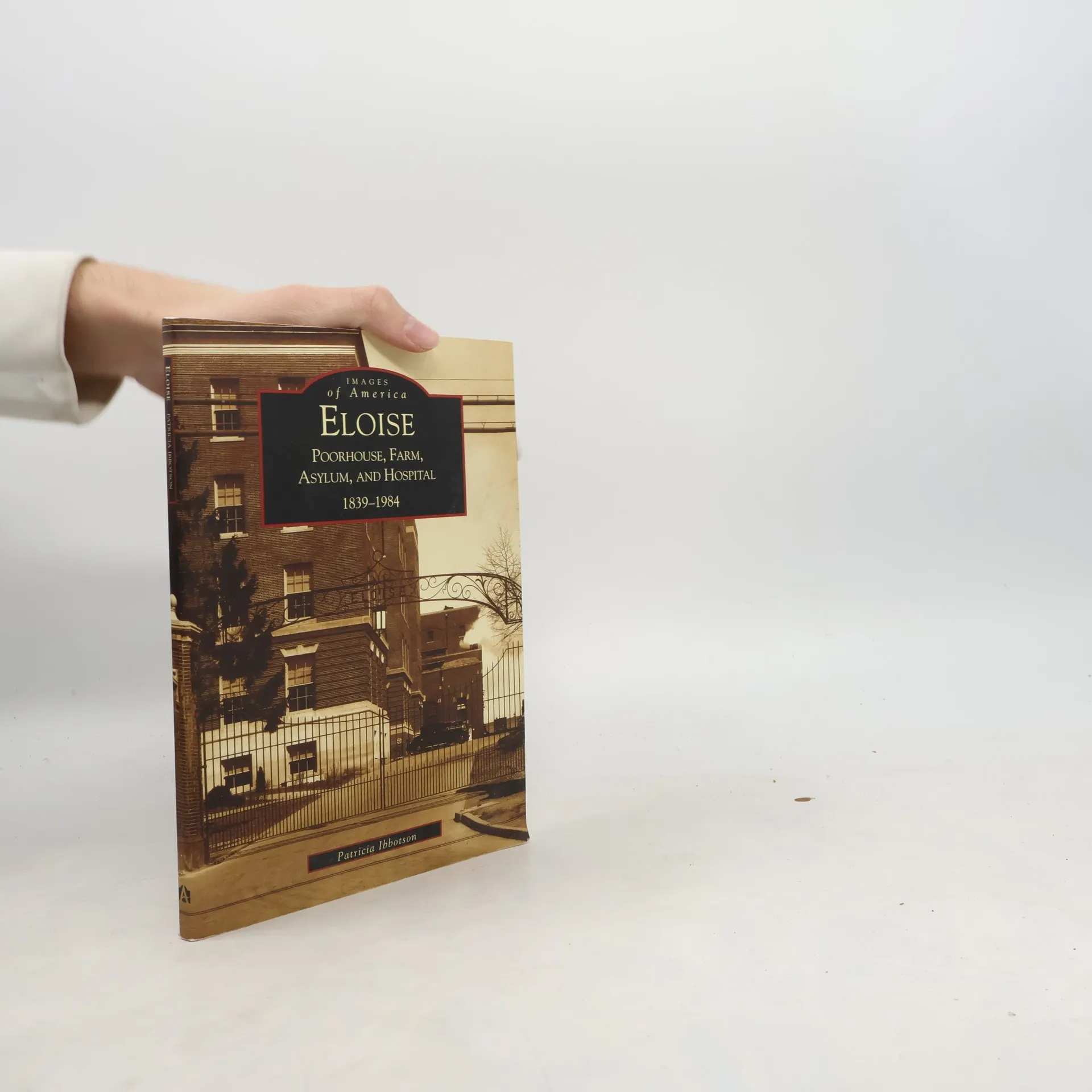
  • Images of America: Eloise

    Poorhouse, Farm, Asylum and Hospital 1839-1984

    • 128 pages
    • 5 hours of reading

    Eloise, which started out as a poorhouse, later became known as Wayne County General Hospital. Today, all that remains are five buildings and a smokestack.From only 35 residents on 280 acres in 1839, the complex grew dramatically after the Civil War until the total land involved was 902 acres and the total number of patients was about 10,000. Only one of them, the Kay Beard Building, is currently used.In Poorhouse, Farm, Asylum, and Hospital, 1839-1984, this institution and medical center that cared for thousands of people over the years, is brought back to life. The book, in over 220 historic photographs, follows the facility's roots, from its beginnings as a poorhouse, to the founding of its psychiatric division and general hospital. The reader will also be able to trace the changing face of psychiatric care over the years. The book effectively captures what it was like to live, work, and play on Eloise's expansive grounds.

    Images of America: Eloise
    3.9