
Explore the latest books of this year!
Bookbot

Samuel Beckett

    April 13, 1906 – December 22, 1989

    Samuel Beckett, an Irish avant-garde writer, offers an uncompromising outlook on human nature, capturing the tragicomic aspects of life often with black humor. His work, which became increasingly minimalist over time, is characterized by its pared-down style. Beckett's pieces are considered foundational to the Theatre of the Absurd, and his influence on modern and postmodern literature is immeasurable.

    Samuel Beckett
    The Beckett trilogy
    Novels II
    Letters of Samuel Beckett: 1957-1965
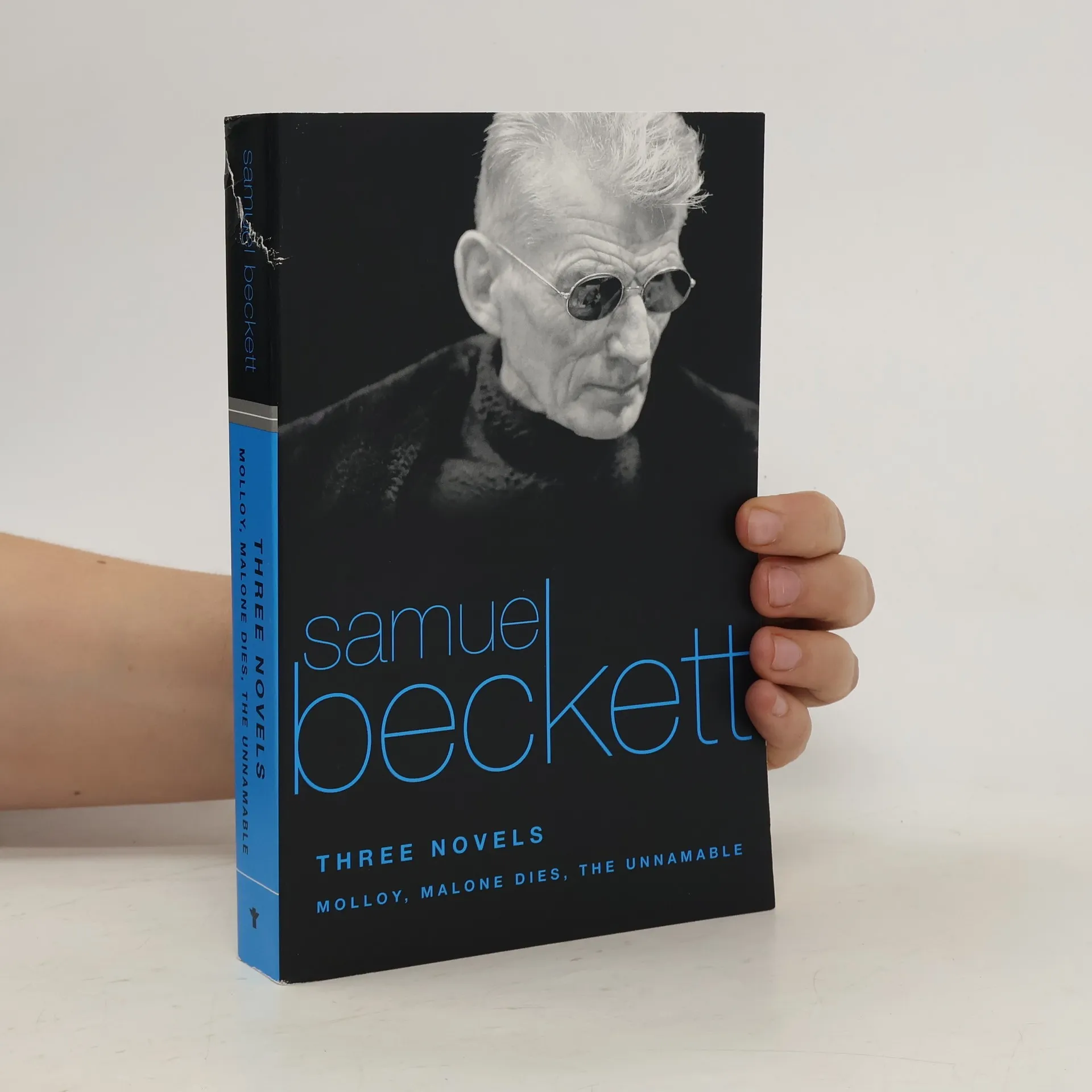
    Molloy, Malone Dies, The Unnamable
    The Letters of Samuel Beckett, 1941 - 1956
    Letters of Samuel Beckett 1966-1989
    • Letters of Samuel Beckett 1966-1989

      • 942 pages
      • 33 hours of reading

      'Here is a book which, as soon as I could get sight of a copy, I could not stop myself reading straight through, nothing being more urgent to me ... The temptation is only to quote. There is so much here of great value to those who study Beckett ... Every word Beckett wrote as only he could write it. That is why, as Dan Gunn says in his excellent introduction to this final volume, though the writing of letters can seem like a diversion from, or even obstruction of, his work, 'the writing of letters is also that work'. Now we can read them. This is a great piece of publication.' David Sexton, The Evening Standard

      Letters of Samuel Beckett 1966-1989
      4.8
    • The Letters of Samuel Beckett, 1941 - 1956

      • 886 pages
      • 32 hours of reading

      This second volume of The Letters of Samuel Beckett opens with the War years, when it was often impossible or too dangerous to correspond. The surge of letters beginning in 1945, and their variety, are matched by the outpouring and the range of Beckett's published work. Primarily written in French and later translated by the author, the work includes stories, a series of novels (Molloy, Malone Dies, and The Unnamable), essays and plays - most notably Waiting for Godot. The letters chronicle a passionately committed but little known writer evolving into a figure of international reputation, and his response to such fame. The volume provides detailed introductions which discuss Beckett's situation during the War and his crucial move into the French language, as well as translations of the letters, explanatory notes, year-by-year chronologies, profiles of correspondents and other contextual information.

      The Letters of Samuel Beckett, 1941 - 1956
      4.7
    • Fiction. The Trilogy has always been considered the central work of Samuel Beckett's fiction (winner of the Nobel Prize for Literature, 1969), the three novels that have been most admired and have received the greatest amount of critical comment, just as Waiting for Godot written in the same period of concentrated creativity between 1947 and 1949, is central to Beckett's drama. "Beckett's oeuvre towers above that of most of his peers, as of his forebears and followers, because it's such a model of integrity: the beauty that is truth" -- Michail Howowitz.

      Molloy, Malone Dies, The Unnamable
      4.7
    • Letters of Samuel Beckett: 1957-1965

      • 816 pages
      • 29 hours of reading

      This third volume of The Letters of Samuel Beckett focuses on the years when Beckett is striving to find a balance between the demands put upon him by his growing international fame, and his need for the peace and silence from which new writing might emerge. This is the period in which Beckett launches into work for radio, film and, later, into television. It also marks his return to writing fiction, with his first major piece for a decade, Comment c'est (How It Is). Where hitherto he has been reticent about the writing process, now he devotes letter after letter to describing and explaining his work in progress. For the first time Beckett has a woman as his major correspondent: a relationship shown in his intense and abundant letters to Barbara Bray. The volume also provides critical introductions, chronologies, explanatory notes and profiles of Beckett's main correspondents.

      Letters of Samuel Beckett: 1957-1965
      4.5
    • Edited by Paul Auster, this four–volume set of Beckett's canon has been designed by award-winner Laura Lindgren. Available individually, as well as in a boxed set, the four hardcover volumes have been specially bound with covers featuring images central to Beckett's works. Typographical errors that remained uncorrected in the various prior editions have now been corrected in consultation with Beckett scholars C. J. Ackerley and S. E. Gontarski."A man speaking English beautifully chooses to speak in French, which he speaks with greater difficulty, so that he is obliged to choose his words carefully, forced to give up fluency and to find the hard words that come with difficulty, and then after all that finding he puts it all back into English, a new English containing all the difficulty of the French, of the coining of thought in a second language, a new English with the power to change English forever. This is Samuel Beckett. This is his great work. It is the thing that speaks. Surrender." — Salman Rushdie, from his Introduction

      Novels II
      4.5
    • The Beckett trilogy

      • 382 pages
      • 14 hours of reading

      The first novel of Samuel Beckett's mordant and exhilirating midcentury trilogy intoduces us to Molloy, who has been mysteriously incarcerated, and who subsequently escapes to go discover the whereabouts of his mother. In the latter part of this curious masterwork, a certain Jacques Moran is deputized by anonymous authorities to search for the aforementioned Molloy. In the trilogy's second novel, Malone, who might or might not be Molloy himself, addresses us with his ruminations while in the act of dying. The third novel consists of the fragmented monologue - delivered, like the monologues of the previous novels, in a mournful rhetoric that possesses the utmost splendor and beauty - of what might or might not an armless and legless creature living in an urn outside an eating house. Taken together, these three novels represent the high-water mark of the literary movement we call Modernism. Within their linguistic terrain, where stories are taken up, broken off, and taken up again, where voices rise and crumble and are resurrected, we can discern the essential lineaments of our modern condition, and encounter an awesome vision, tragic yet always compelling and always mysteriously invigorating, of consciousness trapped and struggling inside the boundaries of nature.

      The Beckett trilogy
      4.4
    • Krapp's Last Tape: Theatrical Notebooks

      • 512 pages
      • 18 hours of reading

      Theatrical Notebooks offers an intriguing glimpse into the creative mind of Samuel Beckett, illuminating his thought processes and the intricacies of his writing. This publication is significant for understanding the development of his theatrical works and provides valuable insights into his artistic vision. The notebooks serve as a vital resource for scholars and fans alike, revealing the complexities behind one of literature's most influential playwrights.

      Krapp's Last Tape: Theatrical Notebooks
      5.0
    • This collection is a significant resource for understanding Samuel Beckett's contributions to drama. It offers insights into his creative process and the evolution of his theatrical works, making it essential for scholars and enthusiasts of Beckett's literature. The notebooks reveal the intricacies of his writing and the themes he explored, enriching the study of both his plays and the broader field of drama.

      The Theatrical Notebooks of Samuel Beckett: Waiting for Godot
      5.0
    • The Complete Dramatic Works

      • 480 pages
      • 17 hours of reading

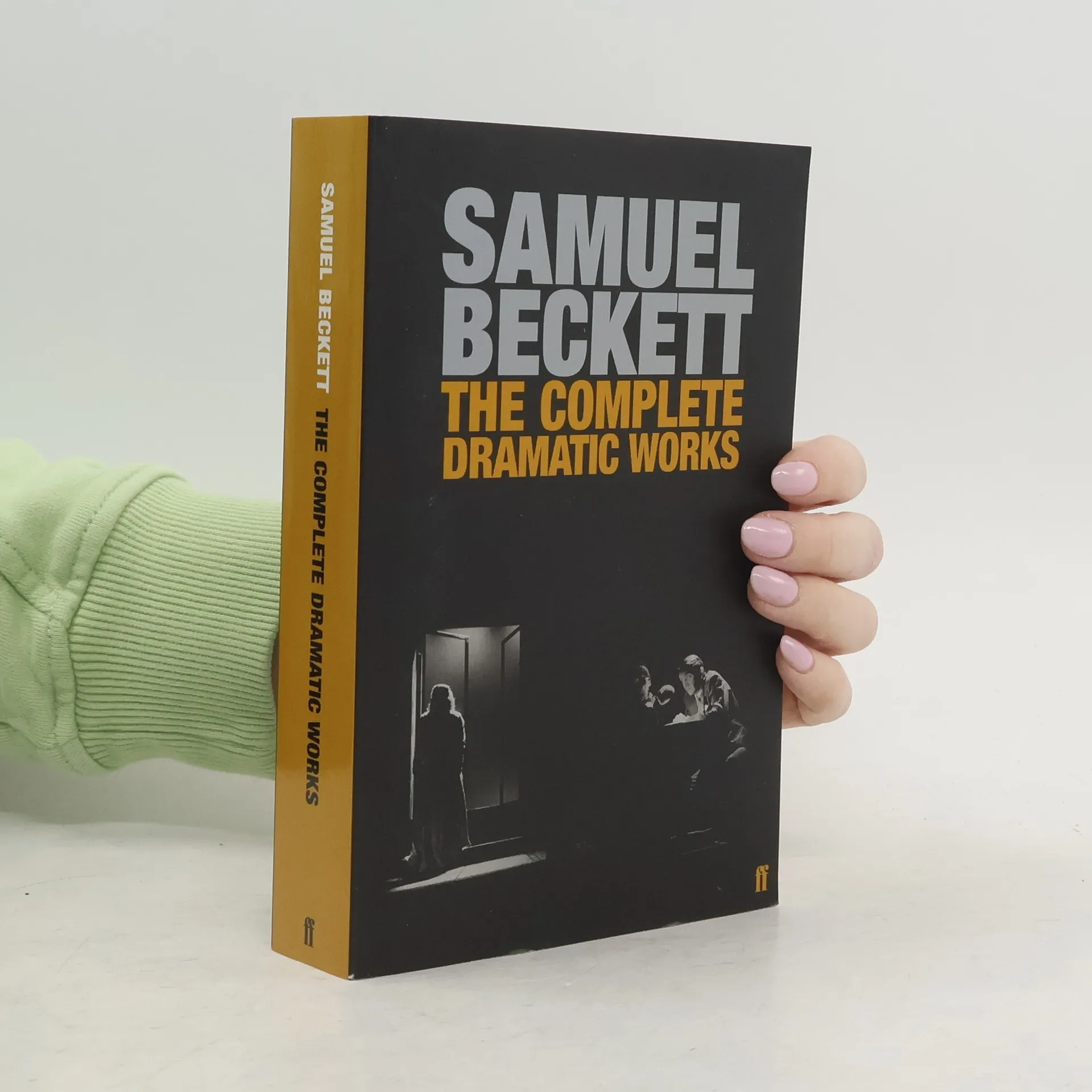
      The present volume gathers all of Beckett's texts for theatre, from 1955 to 1984. It includes both the major dramatic works and the short and more compressed texts for the stage and for radio. 'He believes in the cadence, the comma, the bite of word on reality, whatever else he believes; and his devotion to them, he makes clear, is a sufficient focus for the reader's attention. In the modern history of literature he is a unique moral figure, not a dreamer of rose-gardens but a cultivator of what will grow in the waste land, who can make us see the exhilarating design that thorns and yucca share with whatever will grow anywhere.' - Hugh Kenner Contents: Waiting for Godot, Endgame, Happy Days, All That Fall, Acts Without Words, Krapp's Last Tape, Roughs for the Theatre, Embers, Roughs for the Radio, Words and Music, Cascando, Play, Film, The Old Tune, Come and Go, Eh Joe, Breath, Not I, That Time, Footfalls, Ghost Trio,...but the clouds..., A Piece of Monologue, Rockaby, Ohio Impromptu, Quad, Catastrophe, Nacht und Traume, What Where.

      The Complete Dramatic Works
      4.3
    • The Complete Short Prose 1929-1989

      • 336 pages
      • 12 hours of reading

      Nobel Prize winner Samuel Beckett is one of the most profoundly original writers of the twentieth-century. A tremendously influential poet and dramatist, Beckett spoke of his prose fiction as the "important writing", the medium in which his ideas were most powerfully distilled. Here, for the first time, his short prose is gathered in a definitive, complete volume, by leading Beckett scholar S.E. Gontarski.

      The Complete Short Prose 1929-1989
      4.3
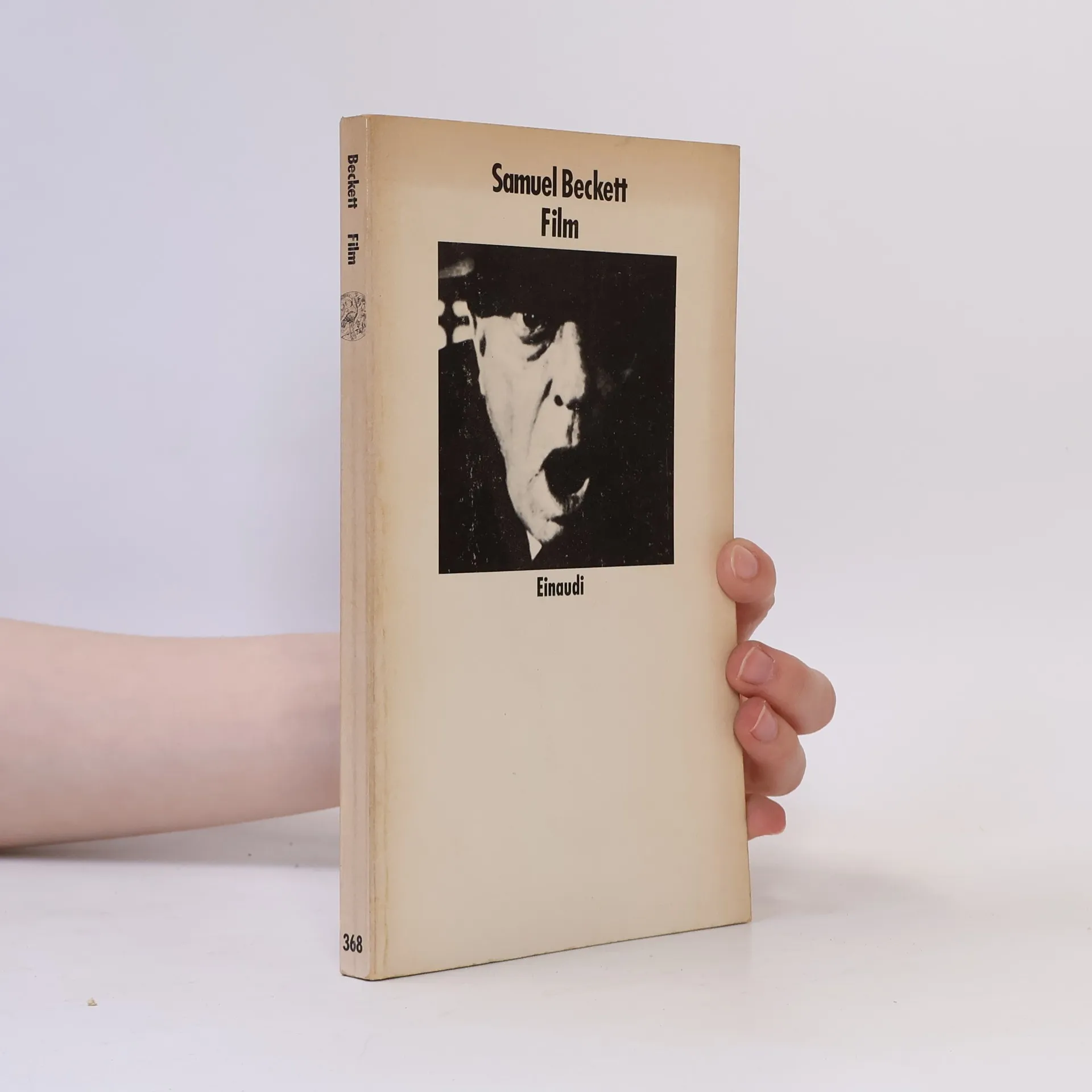
    • Film es la unica incursion de Samuel Beckett en el cine. Escrita en 1963, se rodo en Nueva York durante el verano de 1964; la dirigio Alan Schneider y la protagonizo Buster Keaton. Para el rodaje, Beckett realizo su unico viaje a los Estados Unidos, en julio de 1964.La pelicula no tiene dialogos y solo un sonido -un ligero "B sssh " -, parte de la teoria de Berkeley "Esse est percipi," o sea "ser es ser percibido": aun cuando se suprime toda percepcion exterior -ya sea esta animal, humana o divina- permanece la auto-percepcion. Sin embargo, pese a este principio filosofico, la pelicula, como toda la obra de Beckett, contiene elementos de comedia. Buster Keaton desempena el papel de un hombre que, huyendo por una calle practicamente desierta, se introduce en un portal, sube por las escaleras del edificio y entra en una habitacion -probablemente la suya-, donde cuidadosamente borra toda realidad exterior. Corre la cortina, tapa el espejo, echa al gato y al perro, cierra con llave la puerta, cubre la jaula del pajaro y la pecera y empieza a romper las fotos de su pasado. Sin embargo, el problema de la auto-percepcion sigue insoluble.

      Film Complete Scenario/Illustrations/Production Shots
      4.3
    • Few works of contemporary literature are so universally acclaimed as central to our understanding of the human experience as Nobel Prize winner Samuel Beckett’s famous trilogy. Molloy, the first of these masterpieces, appeared in French in 1951. It was followed seven months later by Malone Dies and two years later by The Unnamable. All three have been rendered into English by the author.

      Three Novels: Molloy, Malone Dies, the Unnamable
      4.3
    • The Theatrical Notebooks of Samuel Beckett

      • 320 pages
      • 12 hours of reading

      Samuel Beckett directed Krapp's Last Tape on four separate occasions: this volume offers a facsimile of his 1969 Schiller-Theater notebook. Professor Knowlson writes that in these notes 'we see Beckett simplifying, shaping and refining, as he works towards a realization of the play that will function well dramatically.

      The Theatrical Notebooks of Samuel Beckett
      4.0
    • Rockaby and Other Short Pieces

      • 80 pages
      • 3 hours of reading

      Beckett explores human alienation and loneliness in four works that include portraits of a solitary woman in a rocking chair and an old man, alone in the night, reflecting on the past and the people he loved

      Rockaby and Other Short Pieces
      3.0
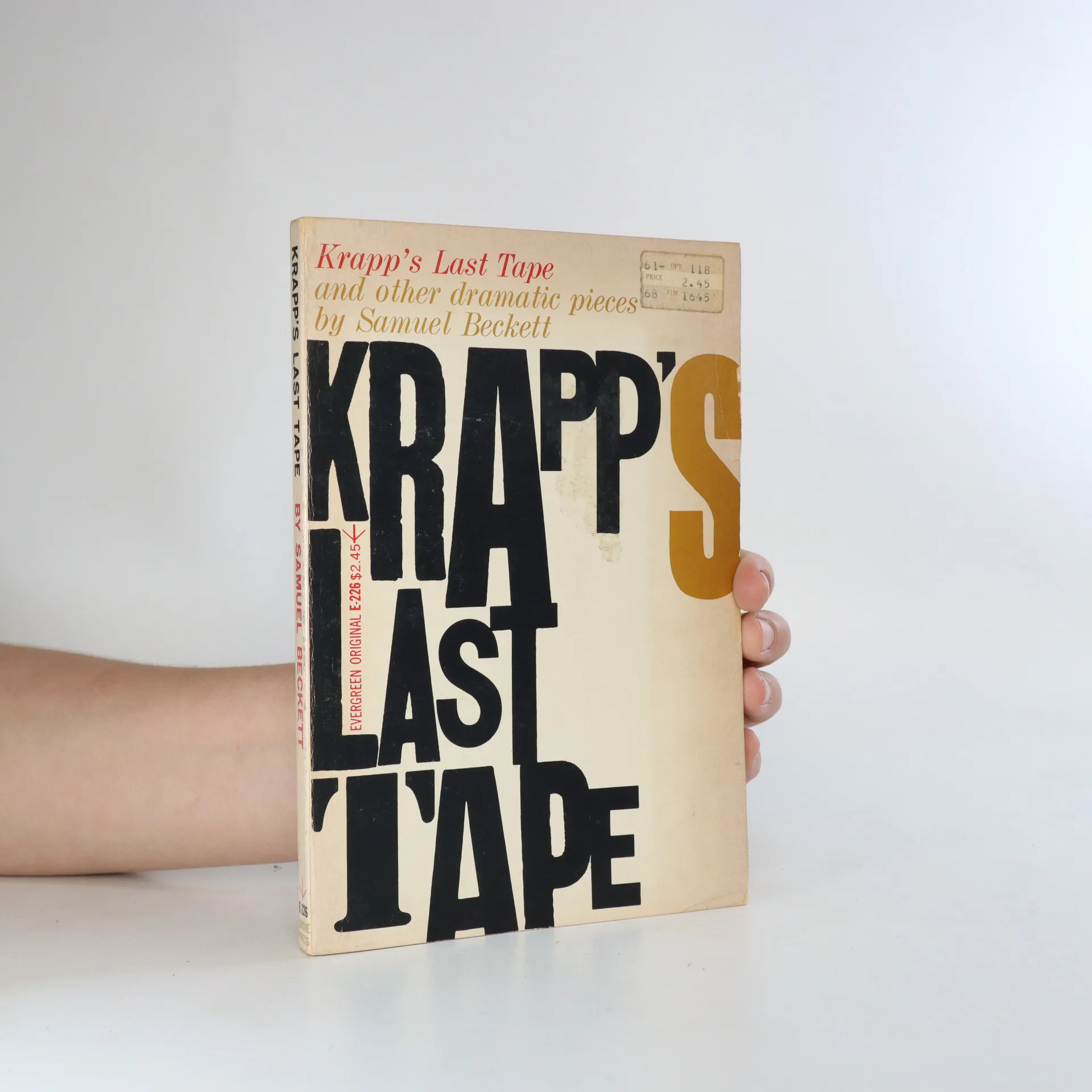
    • Krapp's Last Tape

      • 39 pages
      • 2 hours of reading

      In the first of these two plays, an old man records his comments as he listens to a tape recording of his own observations on how life felt when he was 39. In the second, a man walking along the seashore recalls his dead father while other familiar voices speak to him from the past.

      Krapp's Last Tape
      4.1
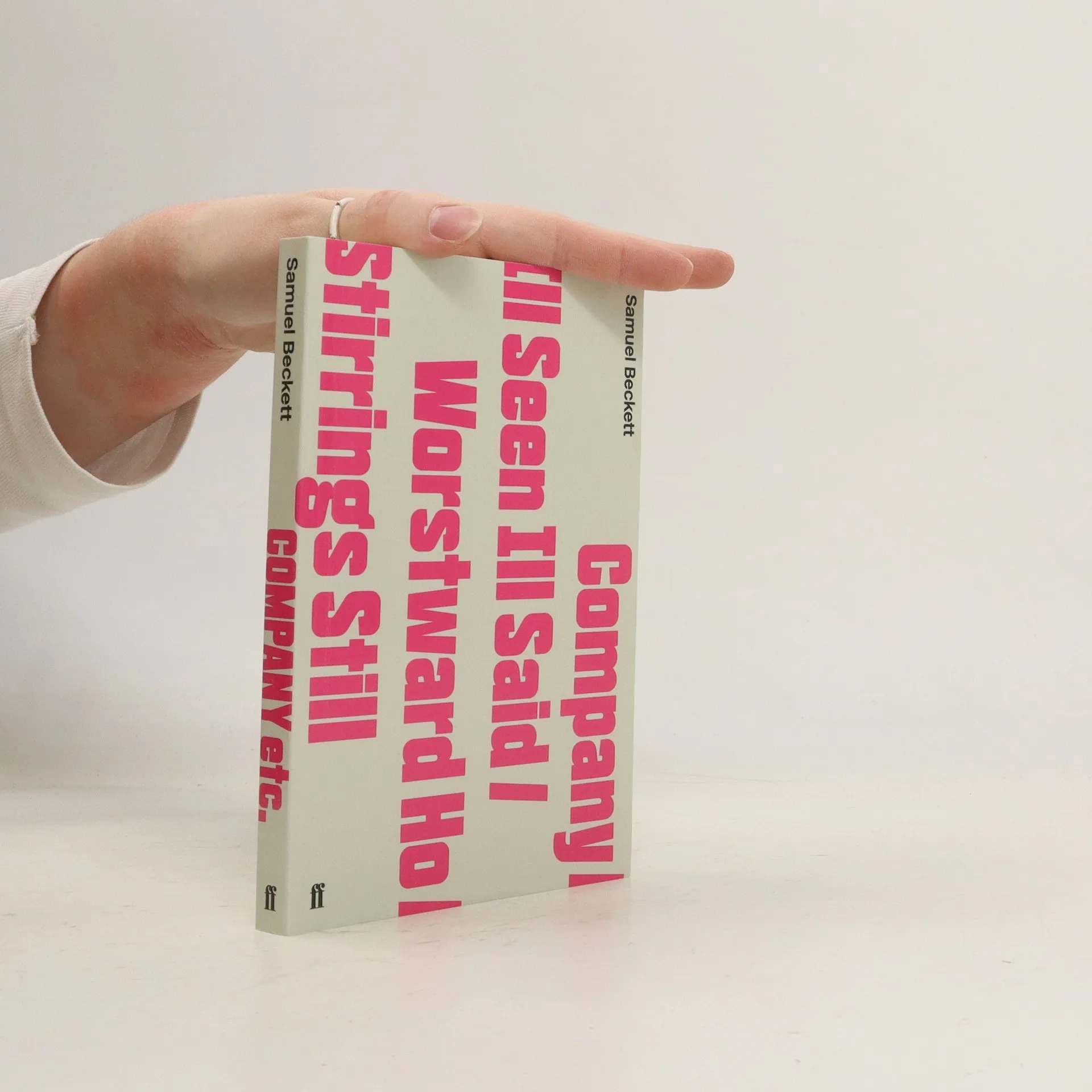
    • These four last prose fictions by Samuel Beckett were originally published individually, and their composition spanned the final decade of his life. In Company a solitary hearer lying in blackness calls up images from the far-off past. Ill Seen Ill Said meditates upon an old woman living out her last days alone in an isolated snow-bound cottage, watched over by twelve mysterious sentinels. In Worstward Ho, a breathless speaker unravels the sense of things, acting out the unending injunction to ‘Try again. Fail again. Fail better.’ And Stirrings Still, published in the Guardian a few months before Beckett’s death in 1989, is the last prose work and testament of ‘this great soothsayer of the age, and of the aged’ (Christopher Ricks).The present edition includes several short prose texts (Heard in the Dark I & II, One Evening, The Way, Ceiling) which represent work in progress or works ancillary to the composition of these late masterpieces.Edited by Dirk Van Hulle.

      Company / Ill Seen Ill Said / Worstward Ho / Stirrings Still
      4.1
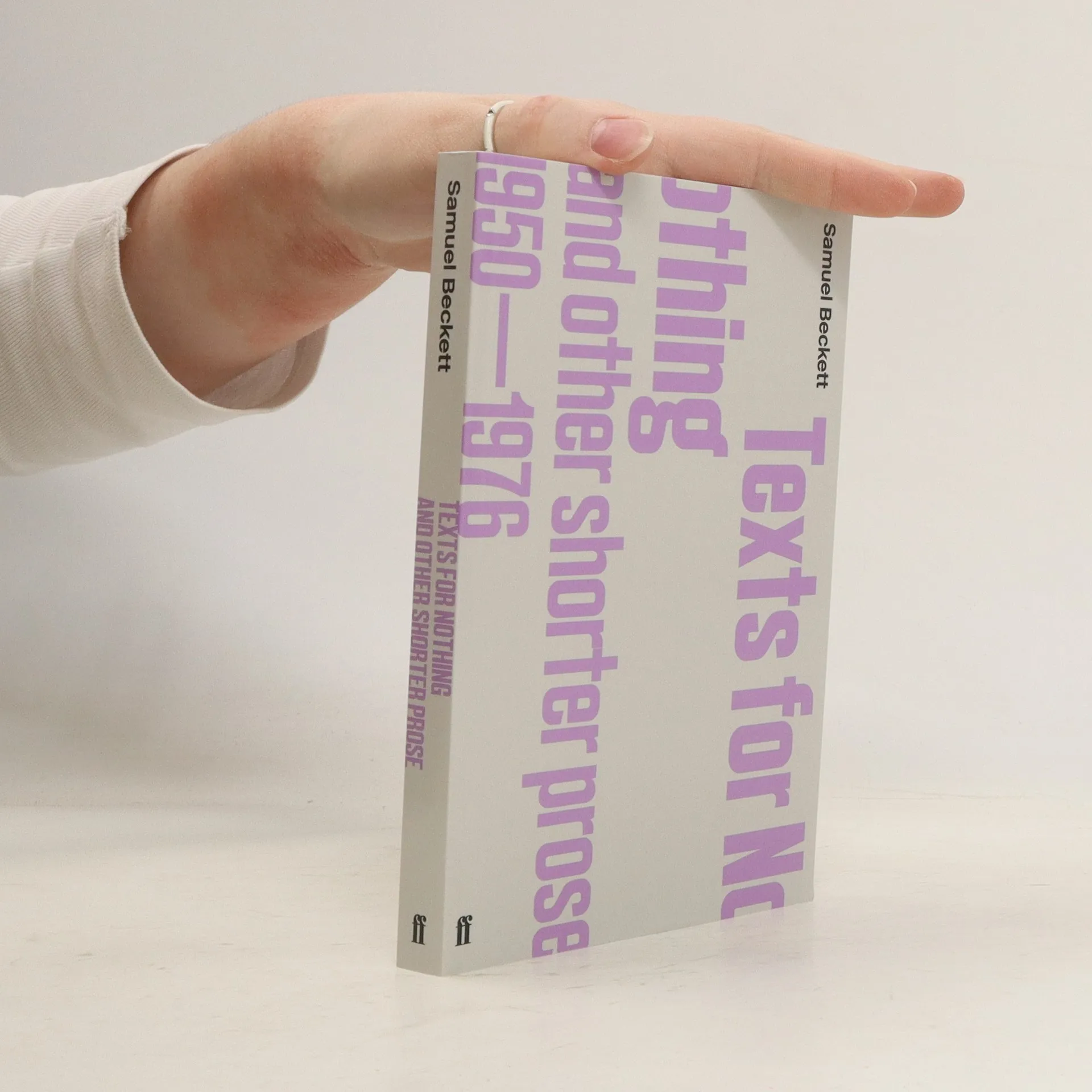
    • This volume contains all of the short fictions - some of them no longer than a page - written and published by Samuel Beckett between 1950 and the early 1970s.

      Texts for Nothing and Other Shorter Prose
      4.1
    • The Unnamable

      • 176 pages
      • 7 hours of reading

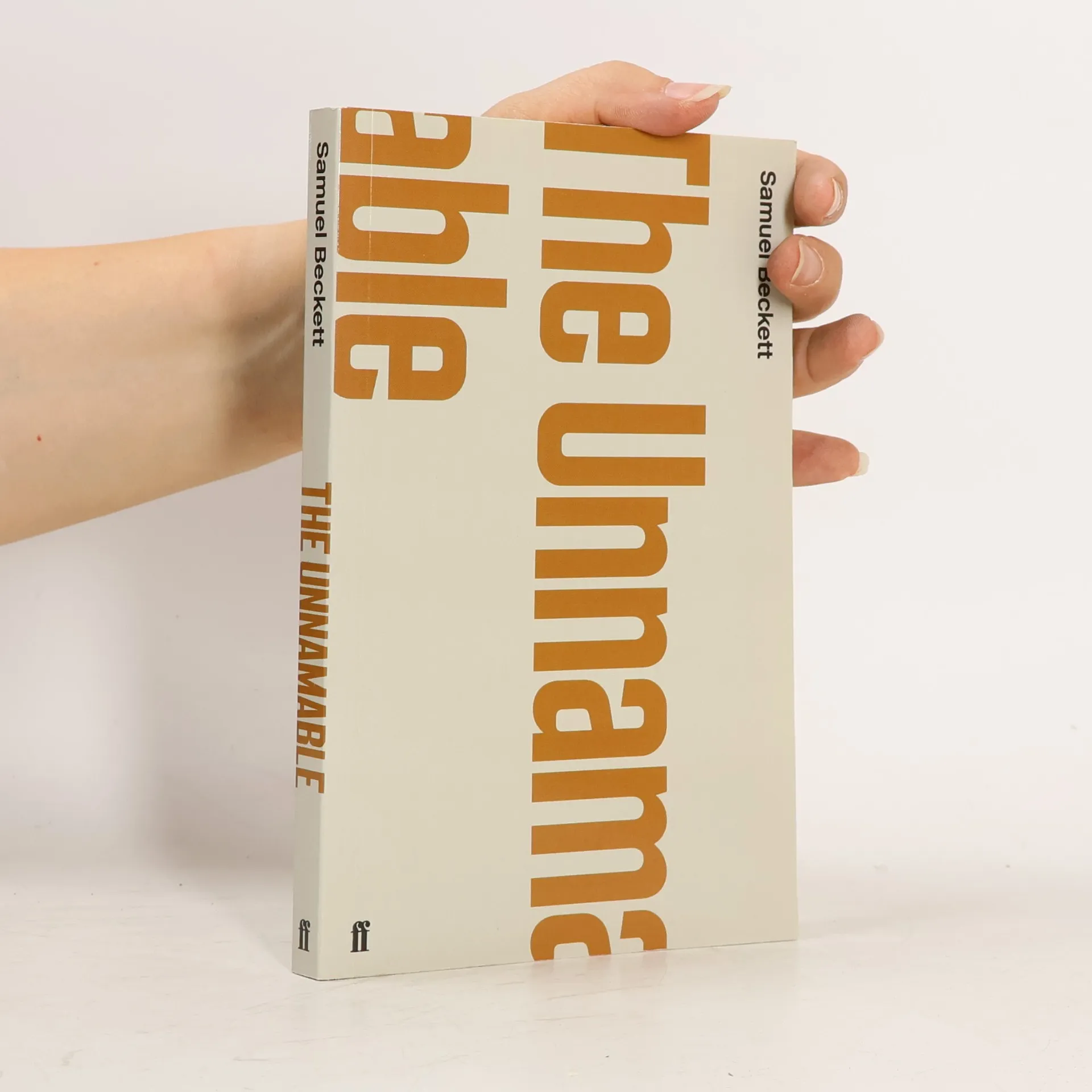
      The Unnamable - so named because he knows not who he may be - is from a nameless place. He speaks of previous selves ('all these Murphys, Molloys, and Malones...') as diversions from the need to stop speaking altogether.

      The Unnamable
      4.1
    • How It Is

      • 160 pages
      • 6 hours of reading

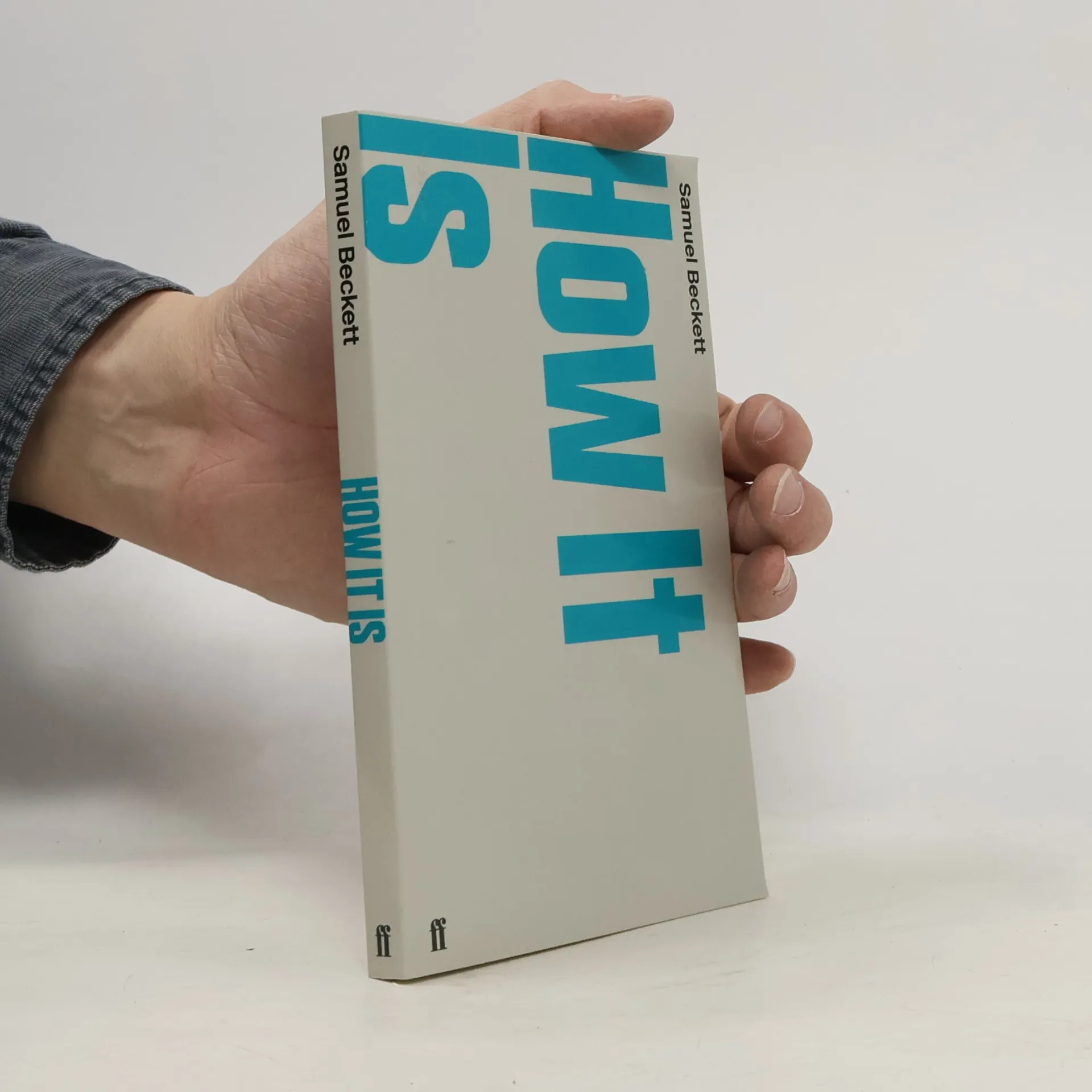
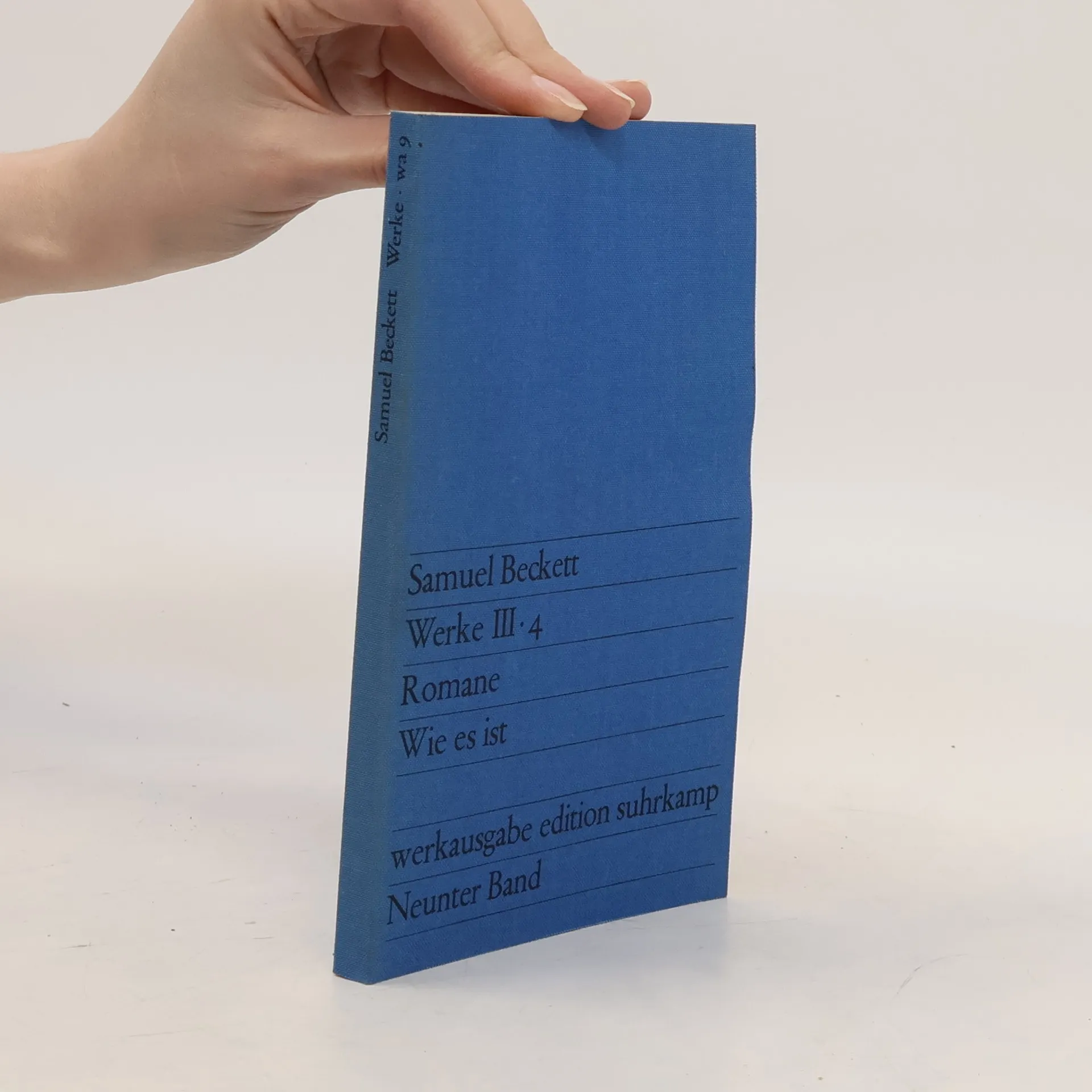
      A novel in three parts, written in short paragraphs, which tell (abruptly, cajolingly, bleakly) of a narrator lying in the dark, in the mud, repeating his life as he hears it uttered - or remembered - by another voice.

      How It Is
      4.1
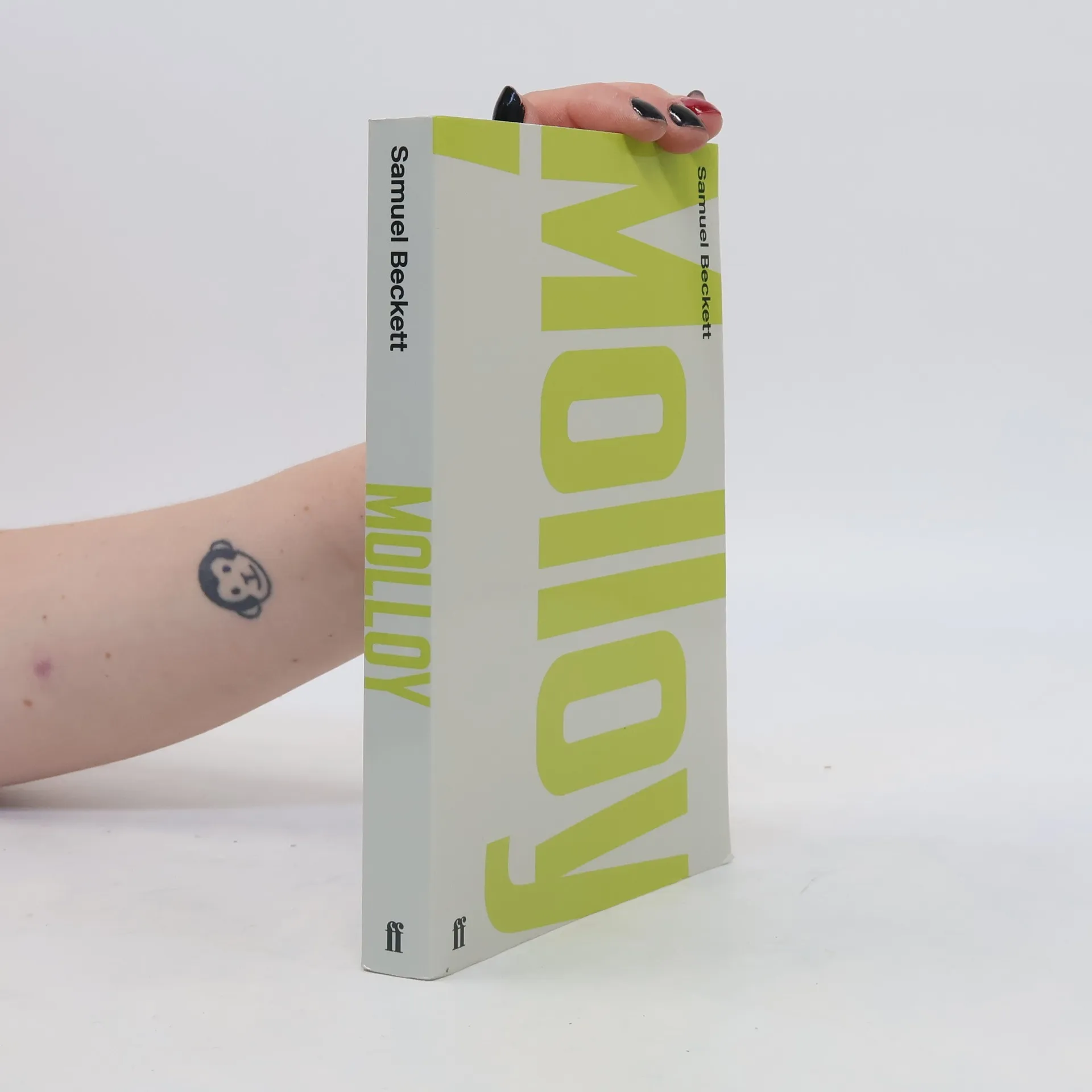
    • Molloy

      • 256 pages
      • 9 hours of reading

      'Molloy' is Samuel Beckett's best-known novel, and his first published work to be written in French. It brings a world into existence with finicking certainties, at the tip of whoever is holding the pencil, and trades larger uncertainties with the reader.

      Molloy
      4.1
    • Collected Shorter Plays

      • 320 pages
      • 12 hours of reading

      Contains all of Beckett's less-than-full-length works (or 'Dramaticules') for the stage, radio, and television. Arranged in chronological order of composition, this book presents shorter plays, which demonstrate the laconic means and compassionate ends of Beckett's dramatic vision.

      Collected Shorter Plays
      3.9
    • Beckett was one of the greatest and most influential literary figures of this century, and 'Waiting for Godot', now regarded as a classic of 20th-century European literature, is part of the standard repertoire in theatres around the world.

      Waiting for Godot. Warten auf Godot, englische Ausgabe
      3.4
    • Dream of Fair to Middling Women

      • 272 pages
      • 10 hours of reading

      As the story begins, Belacqua - a young version of Molloy, whose love is divided between two women, Smeraldina-Rima and the little Alba - 'wrestles with his lusts and learning across vocabularies and continents, before a final relapse into Dublin' (New Yorker).

      Dream of Fair to Middling Women
      3.7
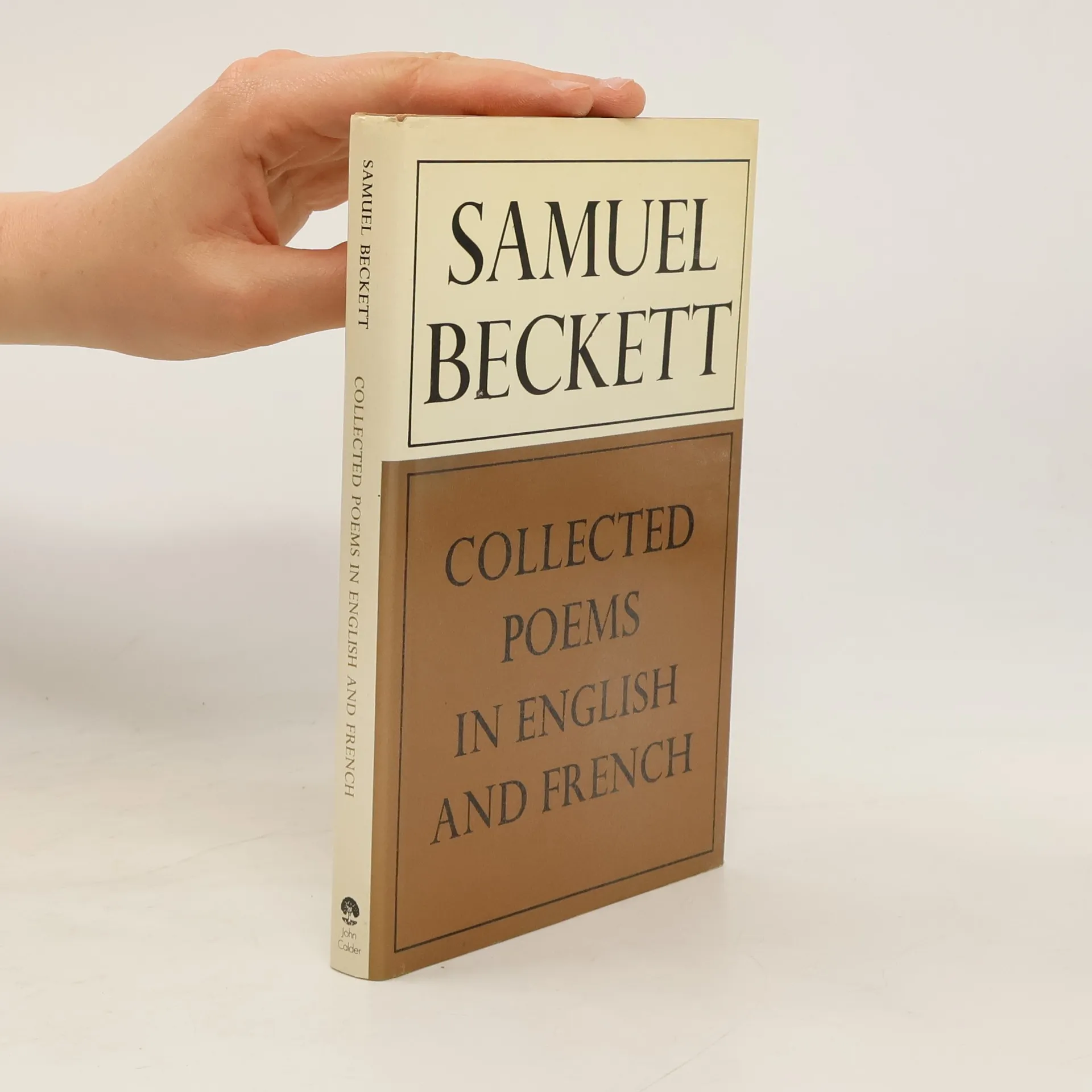
    • Collected Poems in English and French

      • 147 pages
      • 6 hours of reading

      It was as a poet that Samuel Beckett launched himself in the little reviews of 1930s Paris, and as a poet that he ended his career. The Collected Poems is the most complete edition of Beckett's poetry and verse translations ever to be published, as well as the first critical edition. It establishes a significant new canon, and the commentary draws on a wide range of published sources, manuscripts and Beckett's extensive correspondence. The notes place each poem in context, detailing the history and circumstances of its composition; they indicate significant variants and help explain obscure turns of phrase and allusions (frequently sourced to Beckett's notebooks); they also identify resonances between poems and across Beckett's work as a whole. The commentary is written in a lively and engaging style and is intended equally for the general reader, the student of modernism and the Beckett specialist.

      Collected Poems in English and French
      3.3
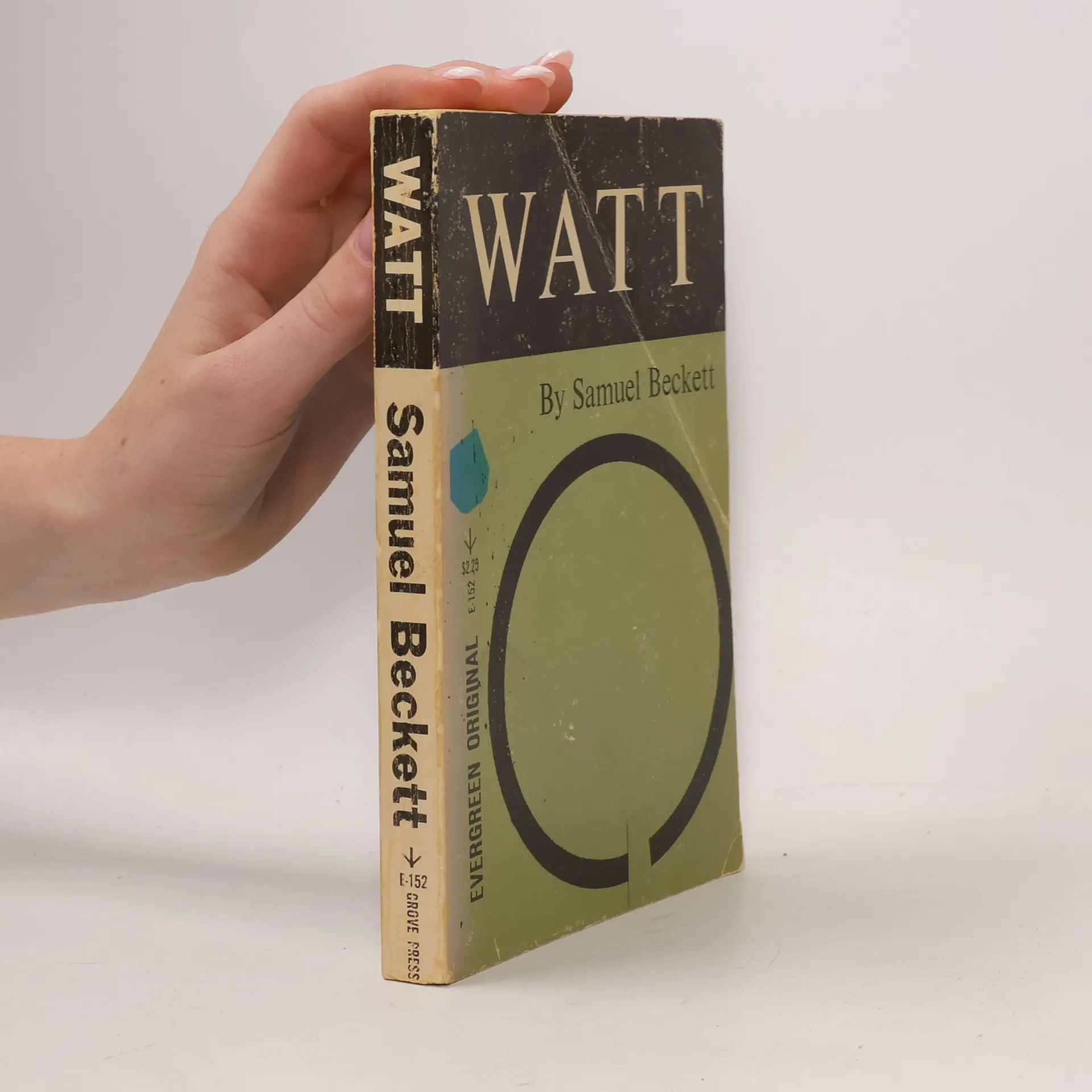
    • Watt

      • 256 pages
      • 9 hours of reading

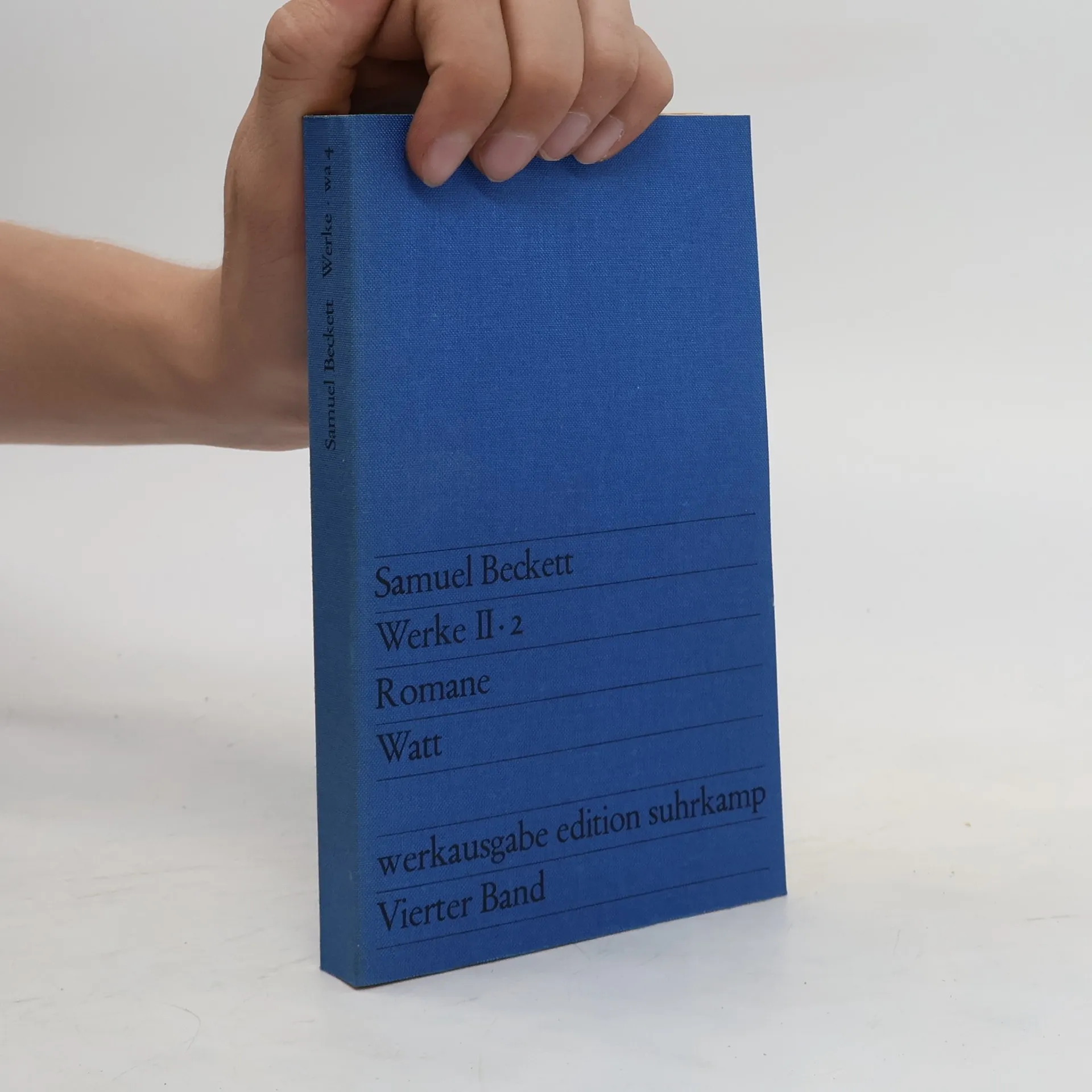
      In prose possessed of the radically stripped-down beauty and ferocious wit that characterize his work, this early novel by Nobel Prize winner Samuel Beckett recounts the grotesque and improbable adventures of a fantastically logical Irish servant and his master. Watt is a beautifully executed black comedy that, at its core, is rooted in the powerful and terrifying vision that made Beckett one of the most influential writers of the twentieth century.

      Watt
      4.0
    • Malone Dies

      • 176 pages
      • 7 hours of reading

      The aged and bedridden protagonist (Molloy / Moran / Malone) awaits death, telling stories about other personifiations of himself to pass the time.

      Malone Dies
      4.0
    • The Expelled, The Calmative ; The End & First Love: A selection of four stories or 'nouvelles' that date from 1945.

      The Expelled and Other Novels
      3.7
    • A selection of poems of Samuel Beckett, from Whoroscope (1930) to 'What is the Word' (1988).

      Selected Poems 1930-1988
      3.8
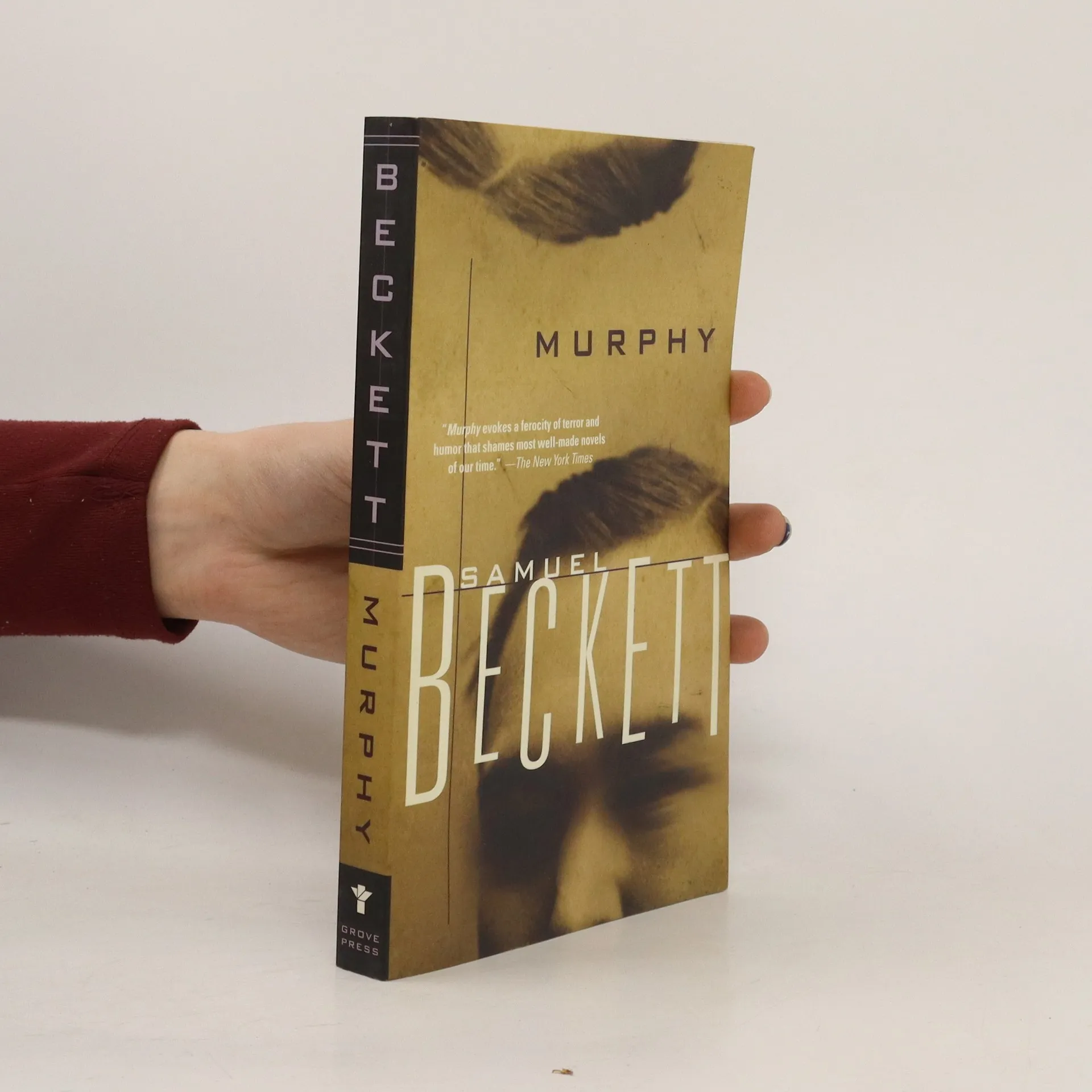
    • Murphy

      • 288 pages
      • 11 hours of reading

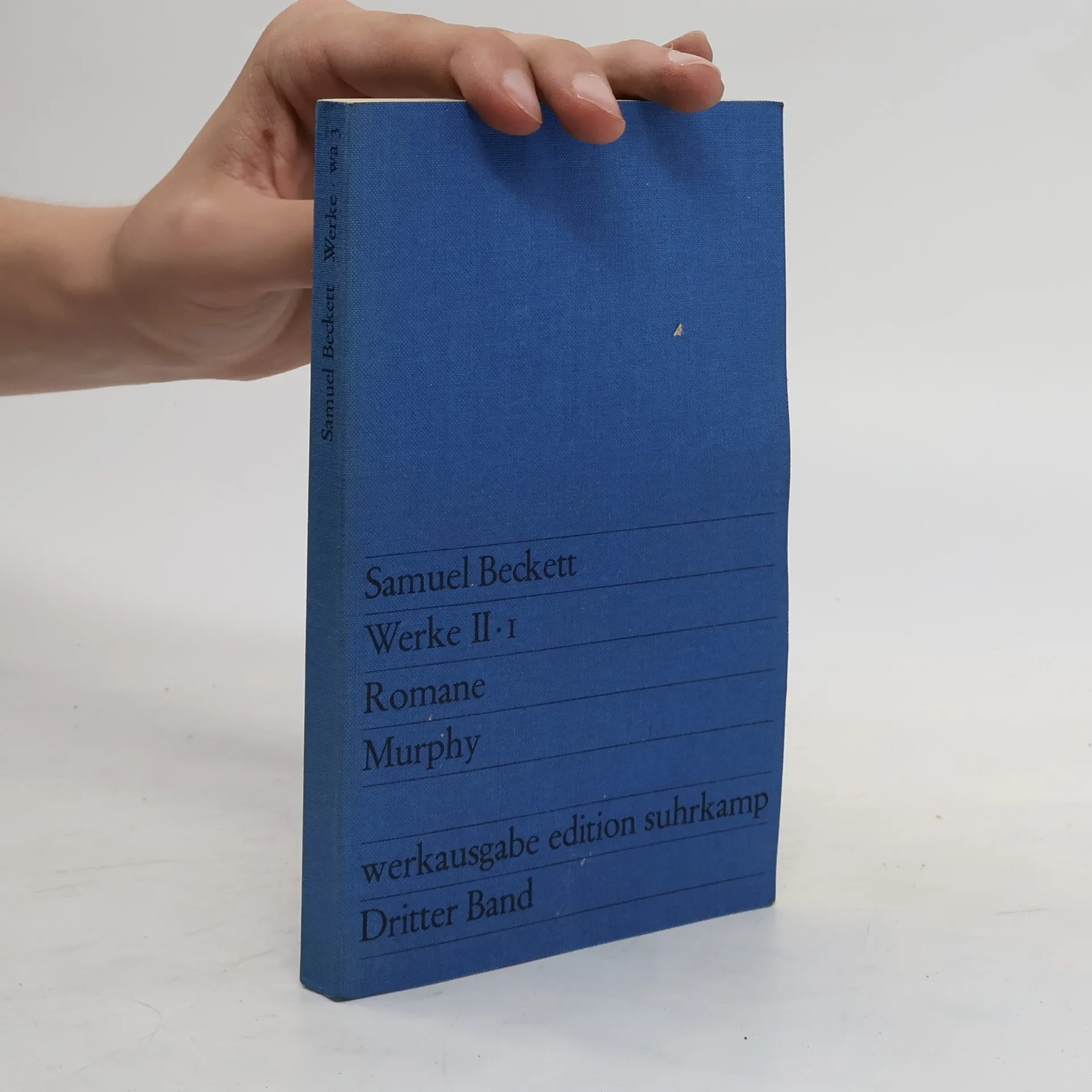
      A poor Irishman, seeking his own identity, drifts through worsening stages of despair until his final disintegration.
      Murphy
      3.9
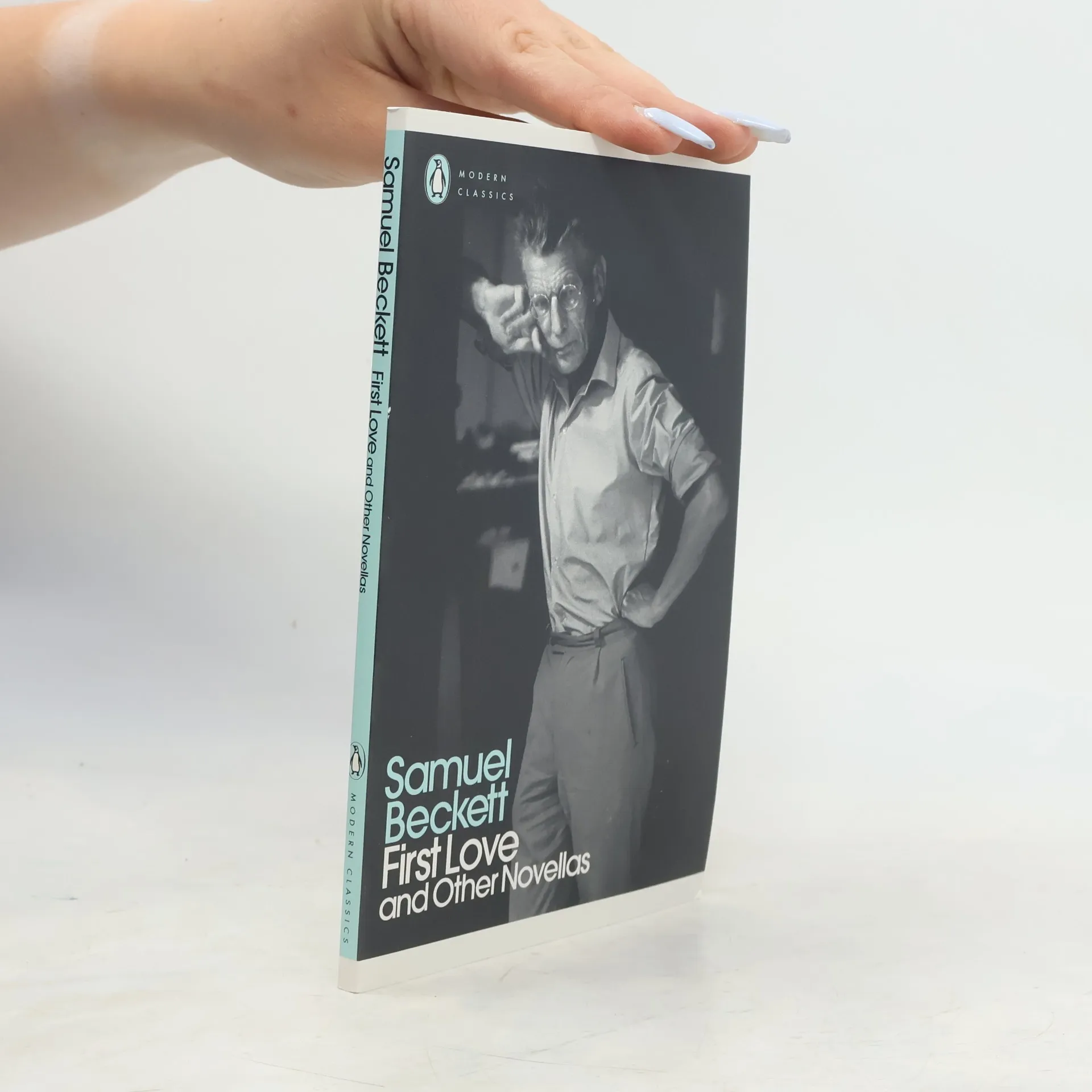
    • The Expelled and Other Novellas

      • 96 pages
      • 4 hours of reading

      This is a collection of short stories by the author of "Waiting for Godot", "Happy End" and "Endgames".

      The Expelled and Other Novellas
      3.9
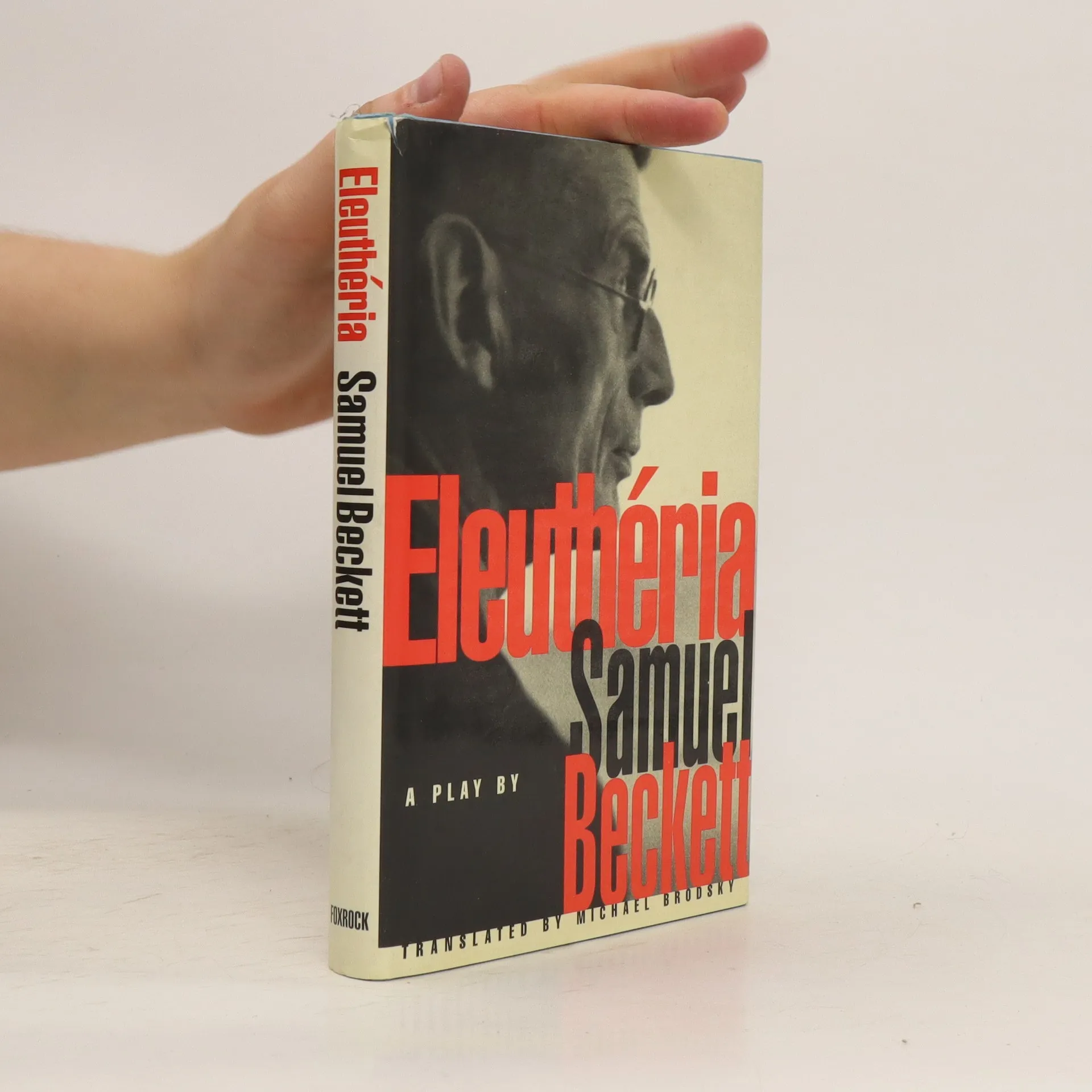
    • Eleuthéria

      • 196 pages
      • 7 hours of reading

      The plot concerns the efforts of a young member of the bourgeoisie, Victor Krap, to cut himself off from society and his family--while at the same time accepting hand-outs from his mother. --Wikipedia.com

      Eleuthéria
      3.4
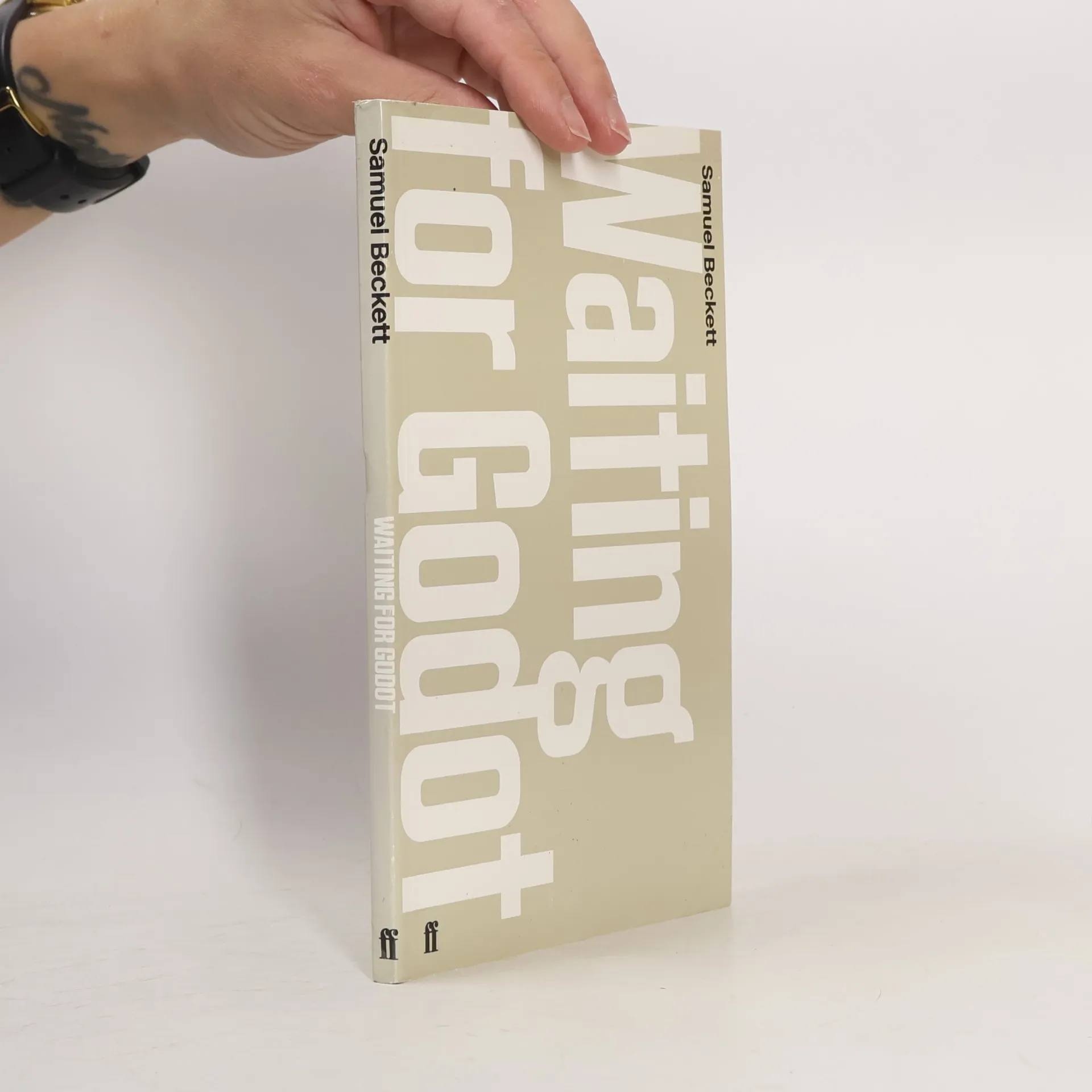
    • Waiting for Godot

      • 96 pages
      • 4 hours of reading

      From an inauspicious beginning at the tiny Left Bank Theatre de Babylone in 1953, followed by bewilderment among American and British audiences, "Waiting for Godot" has become one of the most important and enigmatic plays of the past fifty years and a cornerstone of twentieth-century drama. As Clive Barnes wrote, "Time catches up with genius. . . . "Waiting for Godot" is one of the masterpieces of the century." The story revolves around two seemingly homeless men waiting for someone--or something--named Godot. Vladimir and Estragon wait near a tree, inhabiting a drama spun of their own consciousness. The result is a comical wordplay of poetry, dreamscapes, and nonsense, which has been interpreted as mankind's inexhaustible search for meaning. Beckett's language pioneered an expressionistic minimalism that captured the existential post- World War II Europe. His play remains one of the most magical and beautiful allegories of our time.

      Waiting for Godot
      3.8
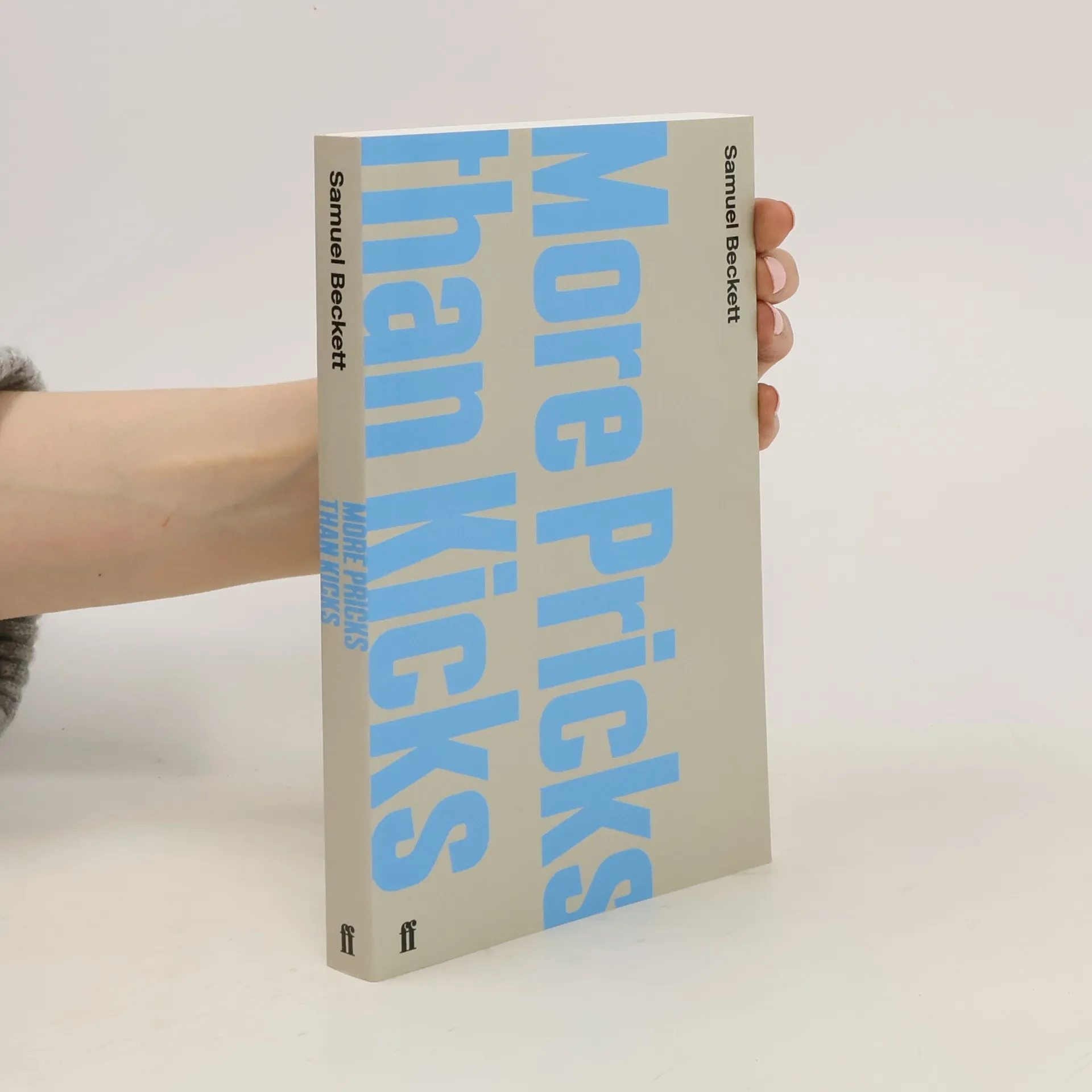
    • More Pricks Than Kicks

      • 224 pages
      • 8 hours of reading

      His first published work of fiction (1934), More Pricks Than Kicks is a set of ten interlocked stories, set in Dublin and involving their adrift hero Belacqua in a series of encounters, as woman after woman comes crashing through his solipsism. More Pricks contains in embryo the centrifugal world of Beckett's men and women.

      More Pricks Than Kicks
      3.6
    • Echo´s Bones

      • 160 pages
      • 6 hours of reading

      'Echo's Bones' was intended by Samuel Beckett to form the 'recessional' or end-piece of his early collection of interrelated stories, More Pricks Than Kicks, published in 1934. The story was written at the request of the publisher, but was held back from inclusion in the published volume. 'Echo's Bones' has remained unpublished to this day, and the present edition will situate the work in terms of its biographical context, its intertextual references, and as a vital link in the evolution of Beckett's early work. The editor, Mark Nixon, is director of the Beckett International Foundation at the University of Reading.

      Echo´s Bones
      3.4
    • Mercier and Camier

      • 128 pages
      • 5 hours of reading

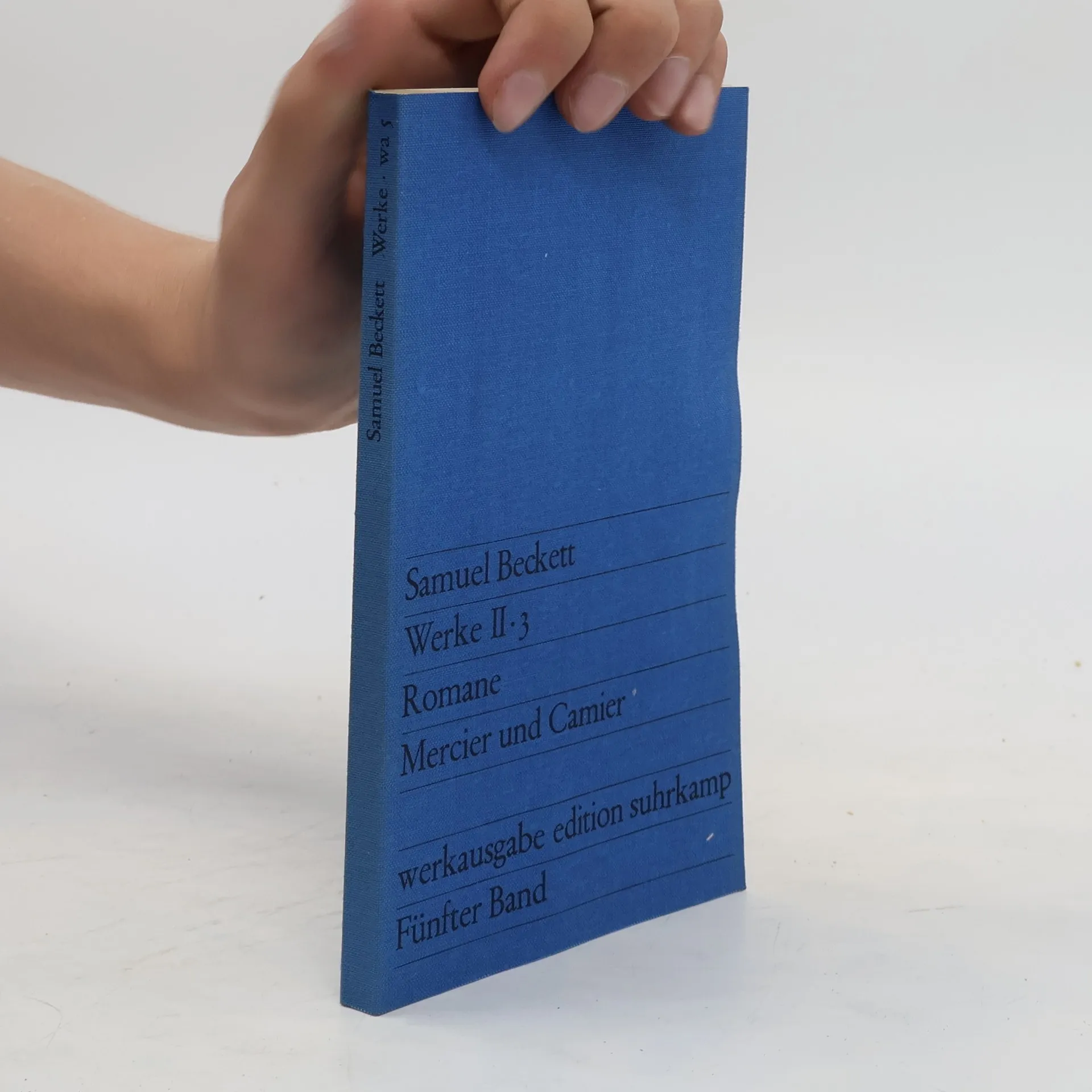
      Written over three months in 1946, 'Mercier and Camier' was Beckett's first post-war work, and his first novel in French. He came to regard it as a practice piece, and set it aside to write his trilogy. The novel was finally published in 1970, and in Beckett's English translation four years later.

      Mercier and Camier
      3.4
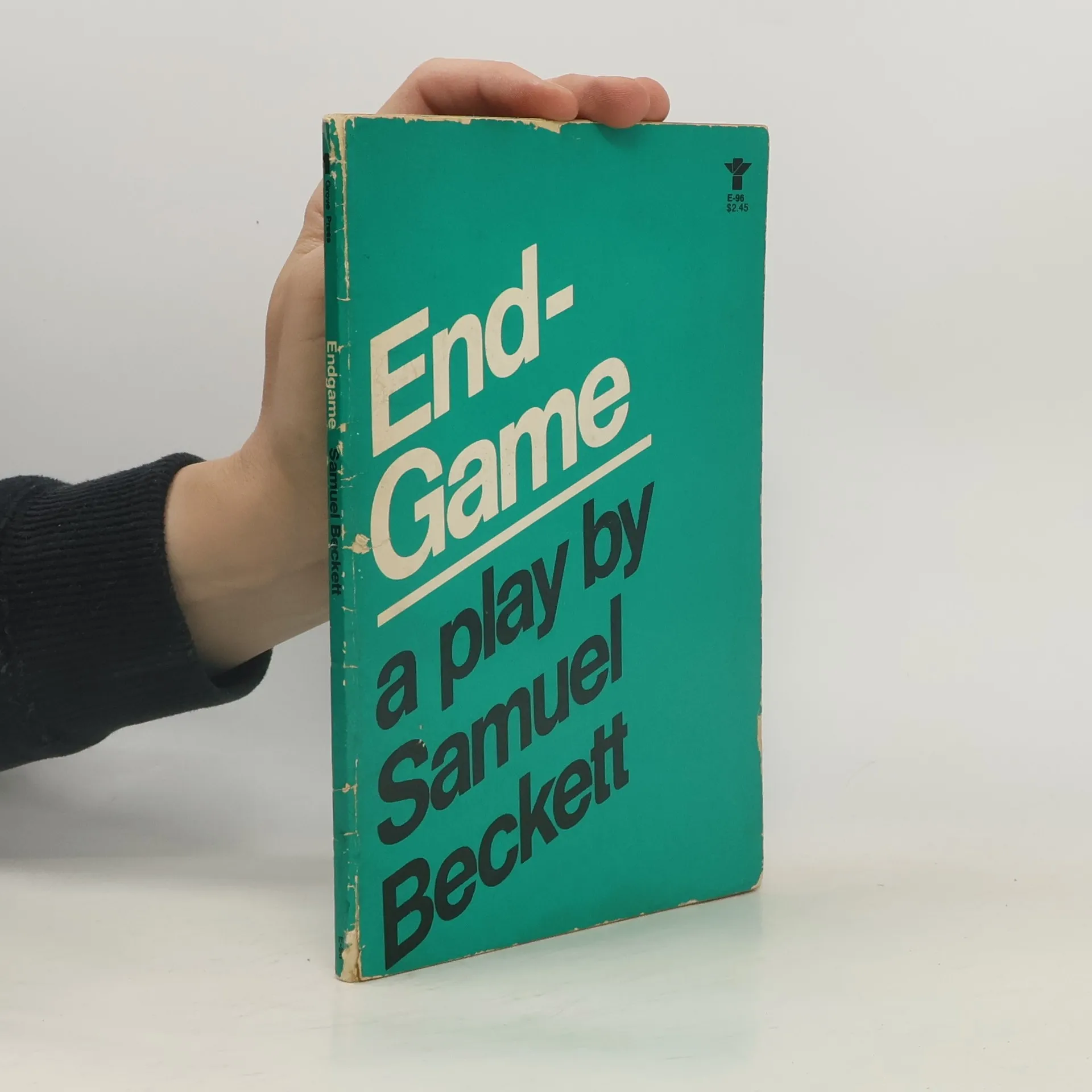
    • Endgame

      • 91 pages
      • 4 hours of reading

      Samuel Beckett was awarded the Nobel Prize for Literature in 1969; his literary output of plays, novels, stories, and poetry has earned him an uncontested place as one of the greatest writers of our time. Endgame , originally written in French and translated into English by Beckett himself, is considered by many critics to be his greatest single work. A pinnacle of Beckett's characteristic raw minimalism, it is a pure and devastating distillation of the human essence in the face of approaching death.

      Endgame
      3.2
    • Endgame. Endspiel, englische Ausgabe

      • 50 pages
      • 2 hours of reading

      Originally written in French and translated into English by Beckett, 'Endgame' was given its first London performance at the Royal Court Theatre in 1957.

      Endgame. Endspiel, englische Ausgabe
      3.5
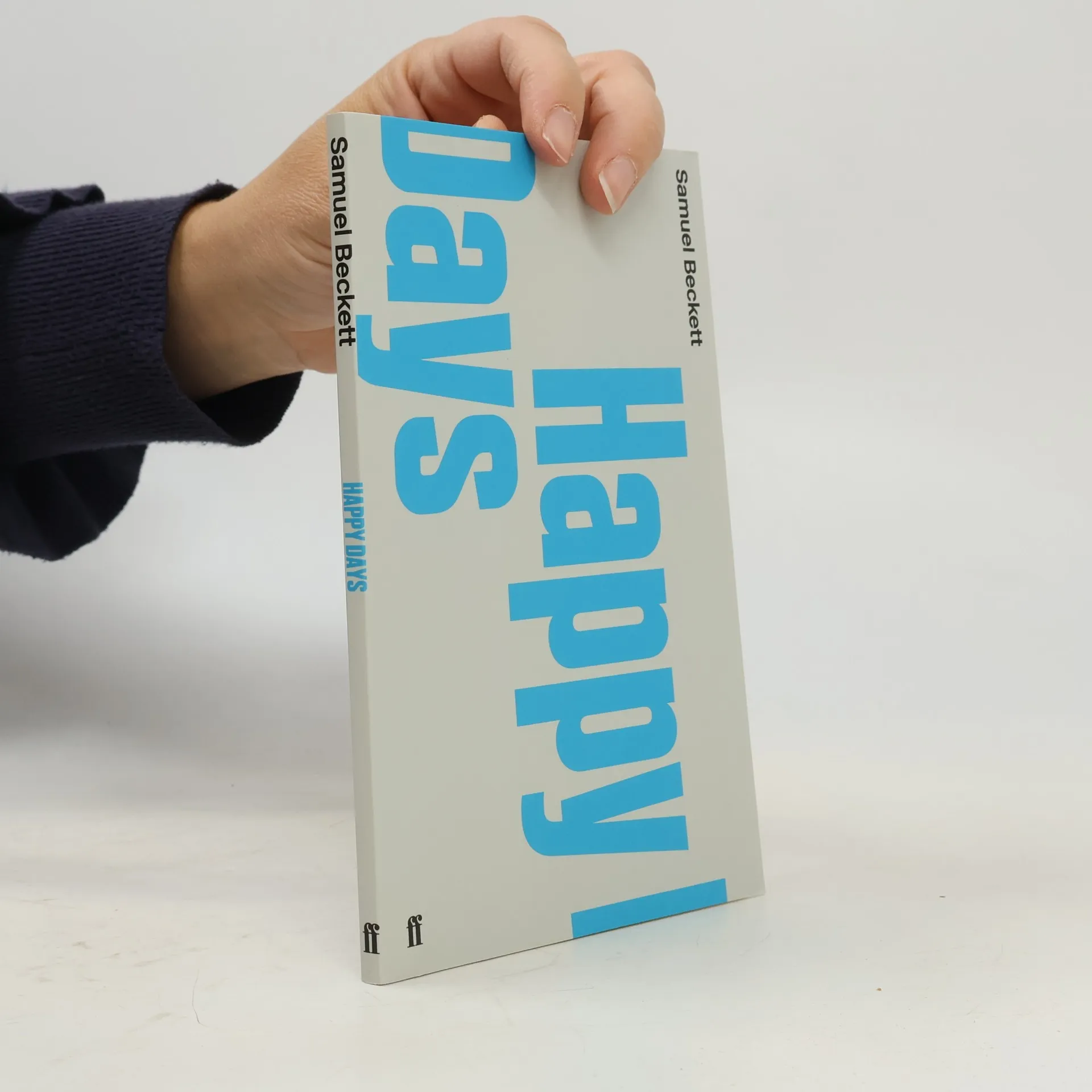
    • Happy Days

      • 96 pages
      • 4 hours of reading

      In Happy Days, Samuel Beckett pursues his relentless search for the meaning of existence, probing the tenuous relationships that bind one person to another, and each to the universe, top time past and time present. Once again, stripping theater to its barest essentials, Happy Days offers only two characters: Winnie, a woman of about fifty, and Willie, a man of about sixty. In the first act Winnie is buried up to her waist in a mound of earth, but still has the use of her arms and few earthly possessions—toothbrush, tube of toothpaste, small mirror, revolver, handkerchief, spectacles; in the second act she is embedded up to her neck and can move only her eyes. Willie lives and moves—on all fours—behind the mound, appearing intermittently and replying only occasionally into Winnie’s long monologue, but the knowledge of his presence is a source of comfort and inspiration to her, and doubtless the prerequisite for all her “happy days.”

      Happy Days
      3.4
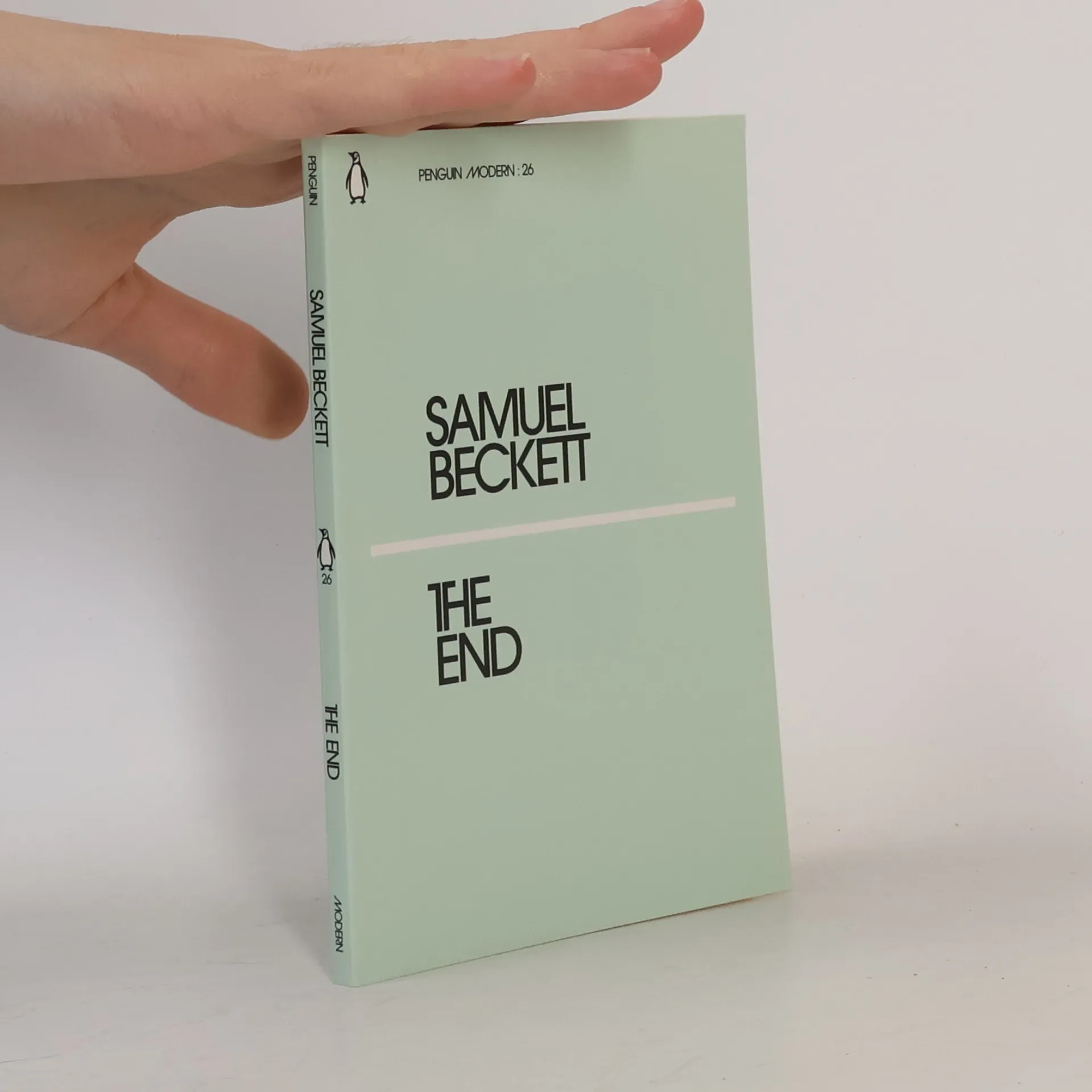
    • The End

      • 64 pages
      • 3 hours of reading

      'They didn't seem to take much interest in my private parts which to tell the truth were nothing to write home about, I didn't take much interest in them myself.' From the master of the absurd, these two stories of an unnamed vagrant contending with decay and death combine bleakness with the blackest of humour. Penguin Modern: fifty new books celebrating the pioneering spirit of the iconic Penguin Modern Classics series, with each one offering a concentrated hit of its contemporary, international flavour. Here are authors ranging from Kathy Acker to James Baldwin, Truman Capote to Stanislaw Lem and George Orwell to Shirley Jackson; essays radical and inspiring; poems moving and disturbing; stories surreal and fabulous; taking us from the deep South to modern Japan, New York's underground scene to the farthest reaches of outer space.

      The End
      3.2
    • Great Irish Stories of Childhood

      • 271 pages
      • 10 hours of reading

      This collection looks at the years of innocence, the pains and pleasures of schooldays and the struggles of adolescence in stories by such writers as Seamus Heaney, Roddy Doyle, Flann O'Brien, William Trevor, Bryan MacMahon, Samuel Beckett, Neil Jordan, Sean O'Faolain, Edna O'Brien, Brian Friel, Maeve Binchy, Brendan Behan and many more.

      Great Irish Stories of Childhood
    • Dramatische Werke I. Theaterstücke.

      • 260 pages
      • 10 hours of reading

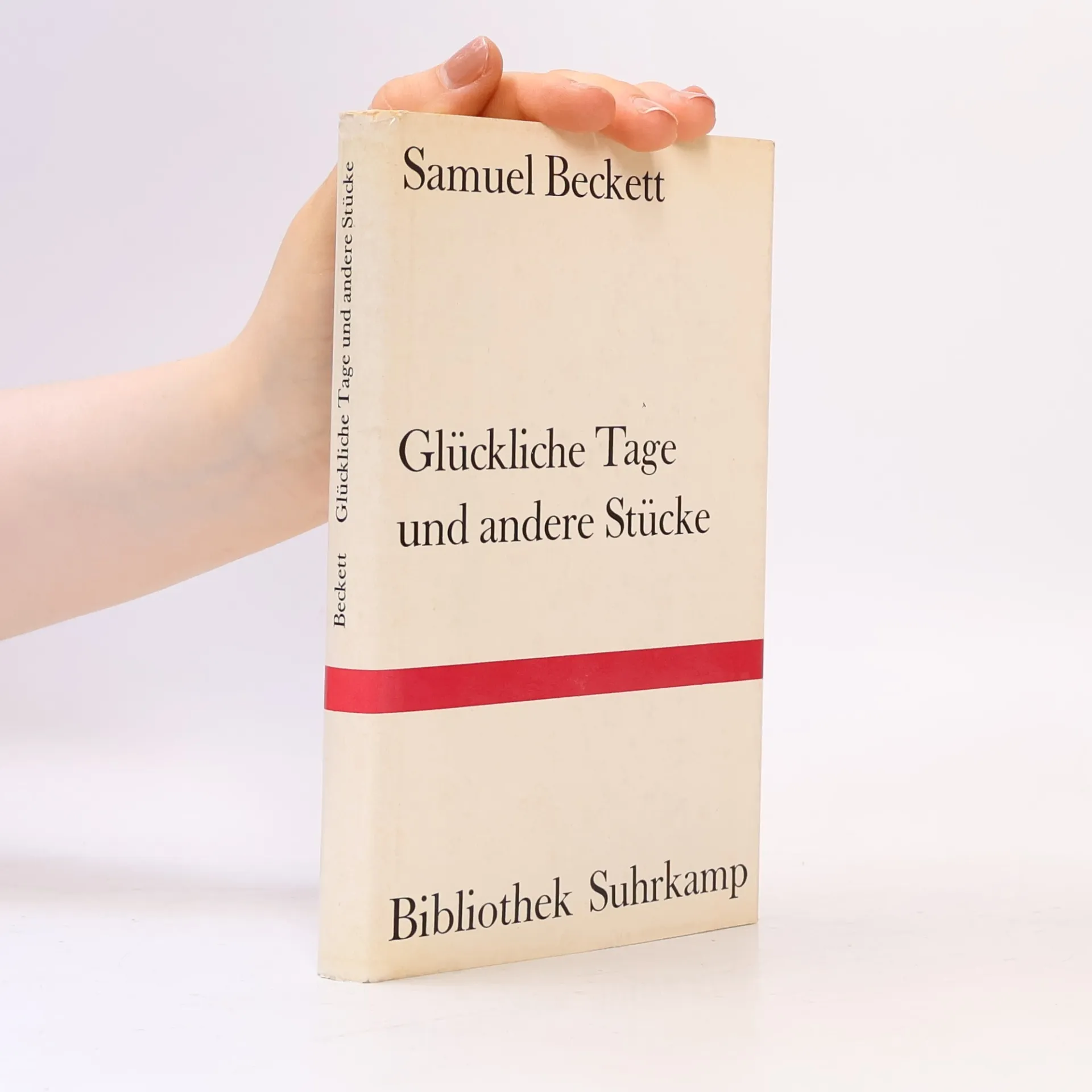
      Samuel Beckett hat, wie vor ihm kein anderer Dramatiker, Epoche gemacht im Bewußtsein dieses Jahrhunderts. Selbst diejenigen, die kaum eine Zeile von ihm kennen und in seinen Stücken nur die Mülltonnen sehen, haben doch einen »Begriff« von diesem Autor. Denn in Becketts Werken findet dieses Jahrhundert seinen Ausdruck: Endzeit, Aussichtslosigkeit, Pessimismus und die Überzeugung von der Absurdität der menschlichen Existenz.

      Dramatische Werke I. Theaterstücke.
      4.8
    • Dante und der Hummer

      Gesammelte Prosa

      • 365 pages
      • 13 hours of reading

      Es beginnt mit einem Scherz. Im November 1930 stellt Samuel Beckett (1906-1989) den Romanisten des Trinity College in Dublin einen Dichter namens Jean du Chas vor, den es nicht gibt. Mit parodierter Bildungshuberei und selbstverliebten Formulierungskünsten, die durch Sarkasmus gesteigert und in Schach gehalten werden, weist dieser Text auf Becketts ersten, postum veröffentlichten Roman Traum von mehr bis minder schönen Frauen voraus, der 1932 in Paris entstand, sowie auf den Erzählzyklus Mehr Prügel als Flügel aus dem Jahr 1934 (aus dem zwei Erzählungen aufgenommen wurden). Am Schluß der chronologisch nach dem Zeitpunkt des Entstehens geordneten Sammlung steht Immer noch nicht mehr, des Autors letzter Prosatext, geschrieben zwischen 1986 und 1988: fast Szene in der Reduziertheit des Raums und der Bewegungen; fast Gedicht in seinem Kreisen, Variieren, Wiederholen. Eines Nachts als er den Kopf auf den Händen am Tisch saß sah er sich aufstehen und gehen. Dante und der Hummer (so heißt die erste Erzählung aus Mehr Prügel als Flügel) macht alles, was in den Werken, in Einzelausgaben und sonst verstreut von Becketts kürzerer erzählender Prosa auf deutsch erschienen ist, zum ersten Mal in einem Band verfügbar -dazu drei kleine deutsche Erstveröffentlichungen: Das Bild, weder noch und Wie soll man sagen. schovat popis

      Dante und der Hummer
      4.5
    • Traum von mehr bis minder schönen Frauen

      Roman

      • 316 pages
      • 12 hours of reading

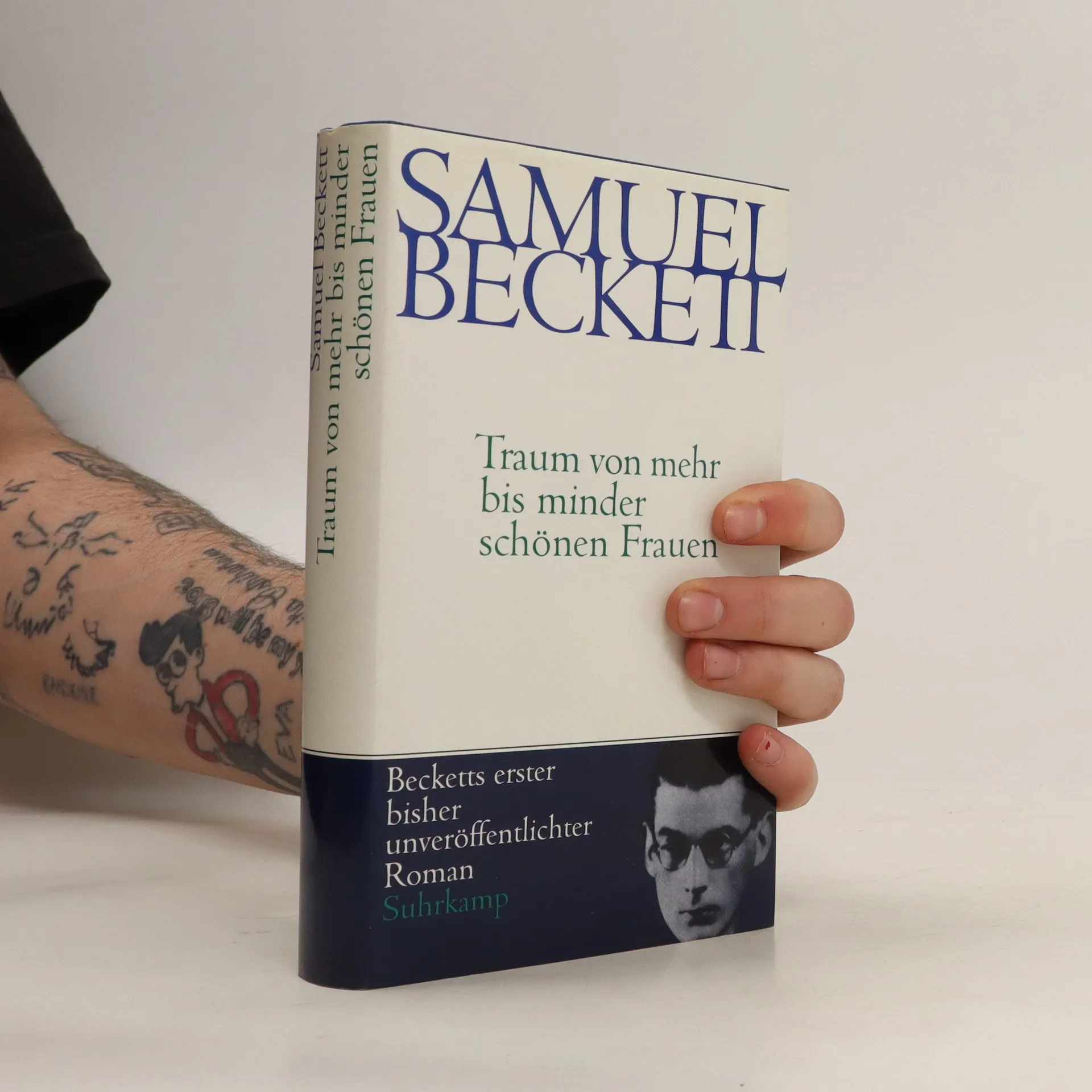
      »Traum von mehr bis minder schönen Frauen« ist ein pikaresker, unflätiger, philosophischer Bericht über des jungen Mannes Belacqua ungestüme Suche nach der eigenen literarischen und persönlichen Identität; das überschäumend virtuose, mit Sprachen, Zitaten und Anspielungen jonglierende, teils sehr quälerische, teils überaus komische Buch eines Genies. Eine extreme Herausforderung für den Übersetzer, Wolfgang Held, der über den Roman schreibt: »Es ist ein erstaunlich ausgeformtes, höhen- und tiefentrunkenes, zynisch-saturnisch schillerndes, psychotisch-satirisch-puritanisch-faunisches Werk, voll subtiler Vulgarismen und Sophismen, und der ganze spätere Beckett steckt in diesem ›wombtomb‹ in Belacquas fauler Haut, die da unterm Felsen in Dantes Purgatorium zusammengerollt die Chance vertut, am Engel vorbei durch die Himmelspforte zu schlüpfen; auch daß er ein Lautenmacher war im historischen Florenz, findet ein Echo bei Beckett: es ist ein ungemein musikalisch fein strukturierter Text.«"

      Traum von mehr bis minder schönen Frauen
      5.0
    • Was bleibt, wenn die Schreie enden?

      Briefe 1966-1989

      • 1200 pages
      • 42 hours of reading

      Dieser Band schließt die vierbändige Ausgabe der Briefe Samuel Becketts ab und umfasst die letzten 23 Jahre seines Lebens, in denen sich sein Werk weiter entfaltet. 1969 erhält Beckett den Nobelpreis und zieht sich nach Tunesien zurück, wo er sich der Flut an Glückwünschen und Zuschriften kaum entziehen kann. Immer wieder wird er von diesen Verpflichtungen überrollt, beklagt sich und findet dennoch zu neuer Schaffenskraft. In dieser Zeit entstehen zahlreiche Theater- und Fernsehstücke sowie Prosa, darunter die Trilogie Gesellschaft, Schlecht gesehen schlecht gesagt und Aufs Schlimmste zu. Beckett inszeniert seine Stücke in Paris, London und häufig in Berlin, während er auch Fernsehstücke in Stuttgart realisiert. Er beschäftigt sich intensiv mit Selbstübersetzungen seiner Texte. Zudem hat er es mit Biografen wie Deirdre Bair und James Knowlson zu tun, was ihm zunächst widerwillig, dann aber kooperativ gelingt. Urlaube mit seiner Frau auf Malta, an der nordafrikanischen Küste oder in den Alpen dienen ihm als Flucht vor dem Pariser Kulturbetrieb, den er verabscheut, in dem er jedoch unermüdlich aktiv bleibt. Schließlich lassen seine Kräfte nach, und am 22. Dezember 1989 stirbt Beckett im Pflegeheim. In einem seiner letzten Schreiben äußert er pointiert: „Mein Hirn ist Matsch, kann nicht helfen. Bonne continuation.“

      Was bleibt, wenn die Schreie enden?
      5.0
    • Gedichte

      • 91 pages
      • 4 hours of reading
      Gedichte
      4.4
    • Erzählungen

      • 266 pages
      • 10 hours of reading

      Die Erzählungen Samuel Becketts erschienen in dieser Zusammenstellung innerhalb der Werke 1976. Der Band umfaßt alle kürzeren Prosatexte Becketts in chronologischer Folge, die zu diesem Zeitpunkt in deutscher Sprache erschienen waren.

      Erzählungen
      4.3
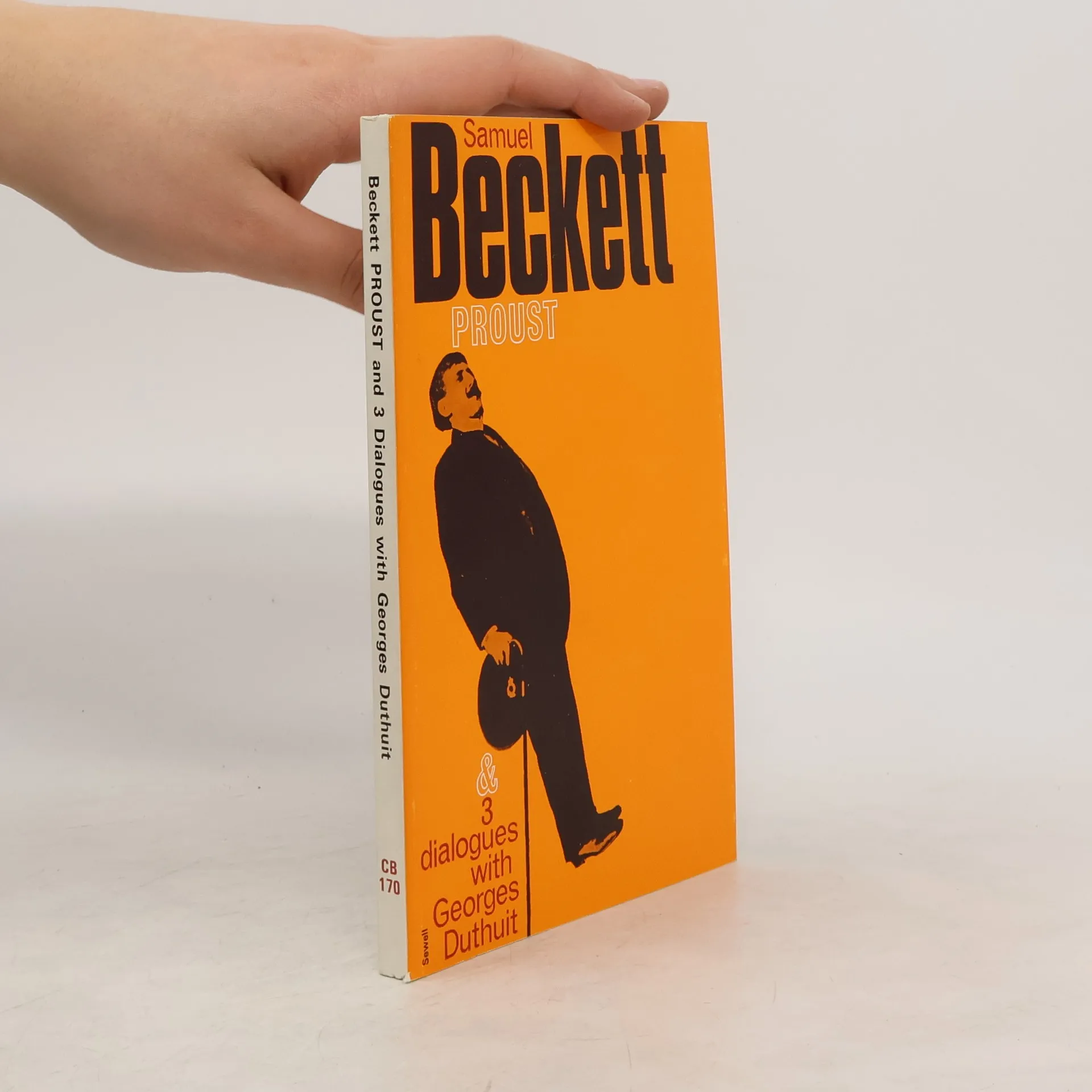
    • Proust

      • 103 pages
      • 4 hours of reading

      Mit Photos, Zeichnungen und Zeugnissen der Freunde

      Proust
      4.3
    • Das letzte Band

      • 91 pages
      • 4 hours of reading

      Ich gehöre ja zu den allergrößten Bewunderern der Darstellungskunst des Christian Brückner, die er glücklicherweise immer wieder unter Beweis stellt. Auch diesmal würde ich wohl wieder viel zu schwärmen haben... gäbe es da nicht von Das letzte Band eine legendäre Aufnahme von Martin Held, und zwar von einer Inszenierung, die der große Samuel Beckett 1970 selbst im Schillertheater Berlin auf die Bühne gebracht hat. Gerade im Vergleich mit dem wie immer souveränen Brückner wird klar, wie grandios Martin Held den alternden Krapp gibt, der sich in diesem kargen Stück Becketts die Tonbänder des jungen Krapp anhört und dabei die Vergeblichkeit allen menschlichen Strebens erkennen muss. --Christian Stahl Spieldauer: ca. 40 Minuten, 1 CD, szenische Lesung des Theaterstücks

      Das letzte Band
      4.2
    • Erzählungen und Texte um Nichts

      • 167 pages
      • 6 hours of reading

      Die drei "Erzählungen" sind 1945 entstanden, die dreizehn "Texte um Nichts" 1930. Gemeinsam führen sie ein in die typische Gestaltenwelt und die stetig sich wiederholende Problematik Samuel Becketts. Sie machen keine Zugeständnisse, aber sie sind leichter zugänglich als die großen epischen Dichtungen, zu denen sie sich verhalten wie ein Bruchstück zum Ganzen, ein Bruchstück, aus dem man das Ganze rekonstruieren könnte.

      Erzählungen und Texte um Nichts
      4.1
    • Tre pezzi d'occasione

      Un pezzo di monologo - Dondolo - Improvviso dell'Ohio

      • 63 pages
      • 3 hours of reading

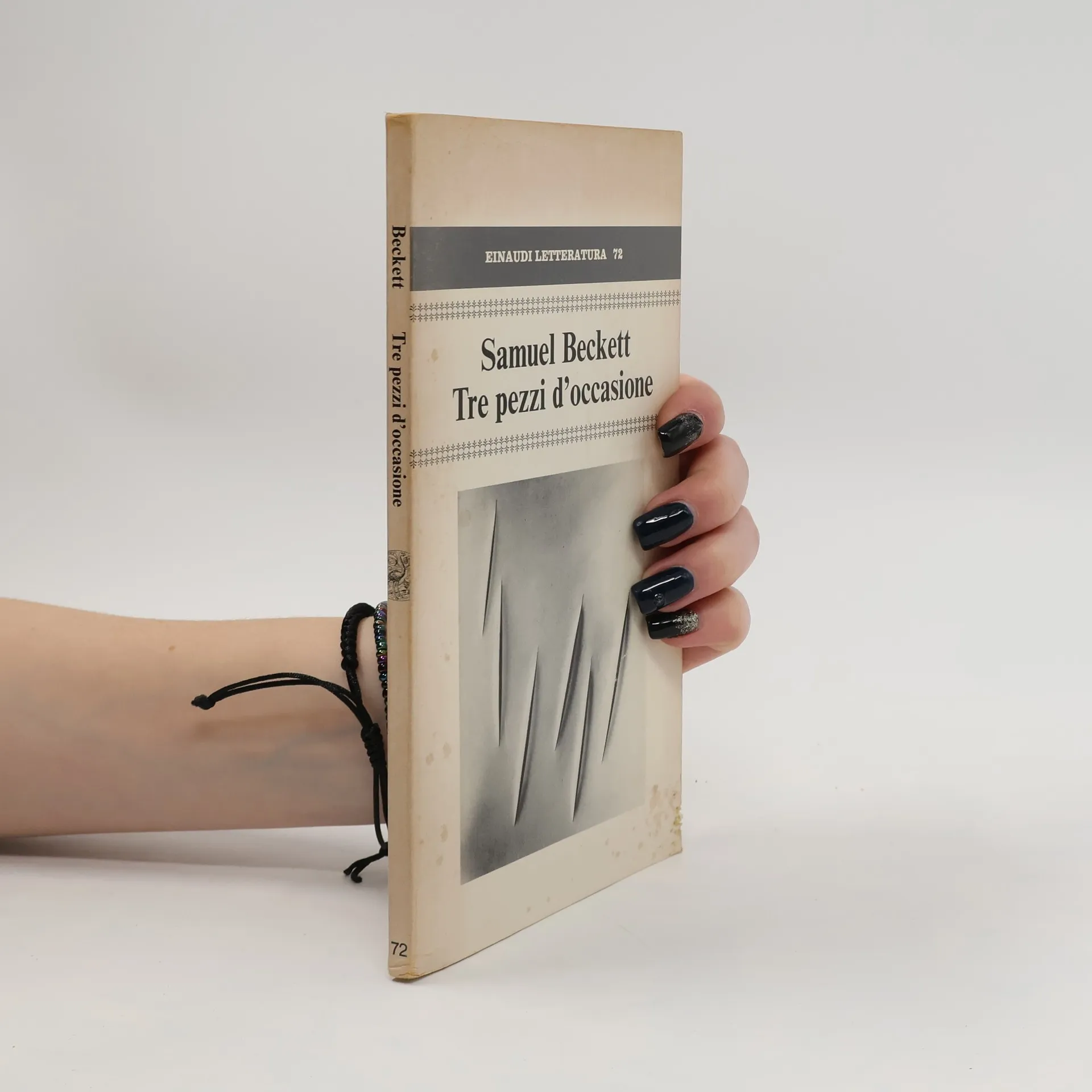
      Contenuto: Un pezzo di monologo - Dondolo - Improvviso dell'Ohio con testo originale inglese a fronte.

      Tre pezzi d'occasione
      3.8
    • In diesem Roman gibt es komplexe Liebesverwicklungen: Neary liebt Miss Counihan, die Murphy liebt, während Murphy Celia liebt. Mit einem bunten Ensemble von Dienern und Vertrauten sorgt der Autor für komische Verwirrungen. Die Kapitel sind direkt und präzise, mit vielen Verweisen, die die Verwirrung noch verstärken.

      Murphy. Roman
      3.4
    • "Non c'è da meravigliarsi che, uscendo dal teatro, la gente si chieda cosa diavolo ha visto. In casi come questo si finisce sempre per attribuire all'autore un preciso disegno simbolico, e si rigira il testo pezzo per pezzo, battuta per battuta, cercando di ricostruire il puzzle. Si ha l'impressione che Beckett, a casa sua, stia ridendo malignamente alle nostre spalle, mentre con una semplice intervista alla televisione potrebbe chiarire ogni cosa. Diremmo subito che, a nostro parere, pretendere a tutti i costi questo "sesamo apriti" non ha senso. Stabilire se Godot è Dio, la Felicità, o altro, ha poca importanza; vedere se in Vladimiro ed Estragone la piccola borghesia che se ne lava le mani, mentre Pozzo, il capitalista, sfrutta bestialmente Lucky, il proletariato, è perfettamente legittimo, ma altrettanto legittima è la "chiave" cristiana, per cui tutto, dall'albero che si trova sulla scena, e che dovrebbe rappresentare la Croce, alla barba bianca di Godot, si può spiegare Vangelo alla mano". (Carlo Fruttero)

      Collezione di teatro - 57: Aspettando Godot
      4.0
    • Malone attend sa mort dans sa chambre exiguë, un crayon à la main. Il décrit son état et invente également une série de personnages, une autre vie au point d'oublier la frontière entre réel et imaginaire. Le voilà qui devient tour à tour ses personnages. A travers le personnage de Malone, l'auteur s'exprime sur l'acte d'écrire et sur la complexité des rapports entre un écrivain et sa création.
      Malone meurt. Malone stirbt, französische Ausgabe
      3.9
    • Vier Menschen sind die Helden dieser grotesken Tragödie. Sie werden gezeigt kurz vor dem Verlöschen des Lebens – nicht allein ihres Lebens, sondern des Lebens überhaupt.

      Endspiel. Fin de partie Endgame
      3.7
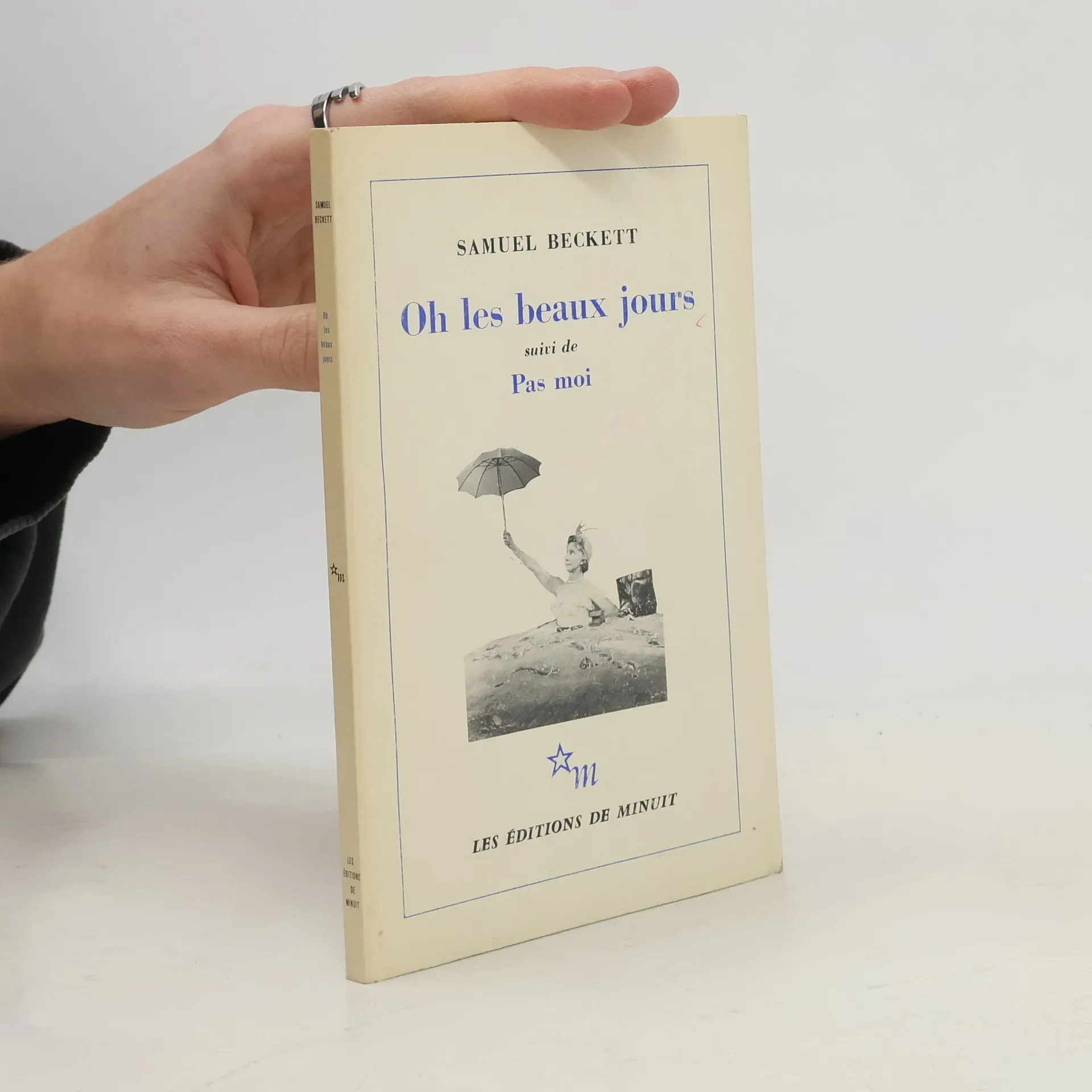
    • Ein älteres Paar, Winnie und Willie, vegetiert in einem zeitlichen und geographischen Vakuum seinem Ende entgegen. Winnie steckt in einem Erdhaufen – ein weiblicher Torso, der sich vergeblich bemüht, seine einstige Ganzheit als Rolle weiterzuspielen. Vor der Gewißheit ihrer Verwesung flüchtet sie sich in das trostlos zelebrierte Ritual banaler Beschäftigungen mit Gegenständen, die ihren Sinn verloren haben. Die Monologe ihrer qualvollen Isolation balancieren am Rande des Schweigens, das ihren Partner Willie bereits umfängt. Seine seltenen, schwachen Lebenszeichen elektrisieren Winnie, erfüllen sie mit einer Glückshoffnung. In Willie zucken Funken von Vitalität auf, für Winnie wird durch diese Clownerie die Zeitwüste zu einem »glücklichen Tag«.
      Glückliche Tage. Happy Days. Oh les beaux jours
      3.4
    • Nacht und Träume

      Gesammelte kurze Stücke

      • 359 pages
      • 13 hours of reading

      Samuel Beckett schreibt 1956 auf Einladung des BBC sein erstes Hörspiel: Alle, die da fallen. Sein Biograph James Knowlson nennt es »das komische Gegenstück zu Endspiel«. Dieses Hörspiel ist der Beginn einer Reihe kurzer dramatischer Stücke, die im Gesamtwerk Becketts an zentraler Stelle stehen: Denn er wendet sich mit ihnen neben dem Theater auch anderen Medien zu. Dabei legen sich Motive aus und Querverweise auf Malerei und Musik wie ein Netz über die in diesem Band vollständig versammelten, chronologisch geordneten Stücke für Radio, Film und Fernsehen: Nicht zuletzt ist der Titel Nacht und Träume einem Schubert-Lied enthoben.

      Nacht und Träume
      3.0
    • La Dernière bande

      suivi de Cendres

      • 71 pages
      • 3 hours of reading

      Se voir dans un miroir, voilà une confrontation immédiate avec soi-même relativement banale et, d'ordinaire, assez fugace.Le protagoniste de La dernière bande va se livrer à une confrontation avec lui-même autrement troublante. "Viens d'écouter ce pauvre petit crétin pour qui je me prenais il y a trente ans, difficile de croire que j'aie jamais été con à ce point-là." Chaque année, le jour de son anniversaire, Krapp enregistre un compte rendu détaillé de son état et de ses agissements durant l'année écoulée. Chaque fois, il écoute l'une ou l'autre des bandes enregistrées des dizaines d'années auparavant, et il la commente. C'est dans cet éternel retour à son passé que réside maintenant sa seule lumière. Krapp, qui jadis déclarait ne plus rien vouloir de ce qu'il avait vécu, ne peut aujourd'hui exister que s'il parvient à être de nouveau ce qu'il fut : "Sois de nouveau, sois de nouveau." Il lui faut surtout être encore celui qui, "quand il y avait encore une chance de bonheur", a vécu un instant d'amour.

      La Dernière bande
      3.3
    • Premier amour

      • 56 pages
      • 2 hours of reading

      Cette nouvelle raconte la rencontre d'une prostituée et d'un homme déclassé et leur liaison orageuse. « Je me mis à jouer avec les cris un peu comme j'avais joué avec la chanson, m'avançant, m'arrêtant, m'avançant, m'arrêtant, si on peut appeler cela jouer. Tant que je marchais, je ne les entendais pas, grâce au bruit de mes pas. Mais sitôt arrêté je les entendais à nouveau, chaque fois plus faible certes, mais qu'est-ce que cela peut faire qu'un cri soit faible ou fort ? Ce qu'il faut, c'est qu'il s'arrête. Pendant des années, j'ai cru qu'ils allaient s'arrêter. Maintenant, je ne le crois plus. Il m'aurait fallu d'autres amours, peut-être. Mais l'amour, cela ce ne se commande pas. » Ce monologue aigre-doux est l'un des premiers textes écrits en français par l'auteur en 1945.

      Premier amour
      3.3
    • Zukunft seit 1560

      Von der Kunstkammer zu den Staatlichen Kunstsammlungen Dresden

      • 231 pages
      • 9 hours of reading

      Deutscher Kunstverlag, Berlin, (2010). 286 S., Pbd. mit Lesebndchen, quart - neuwertig -

      Zukunft seit 1560