Age of Folly
- 384 pages
- 14 hours of reading
America's leading essayist on the frantic retreat of democracy, in the fire and smoke of the war on terror
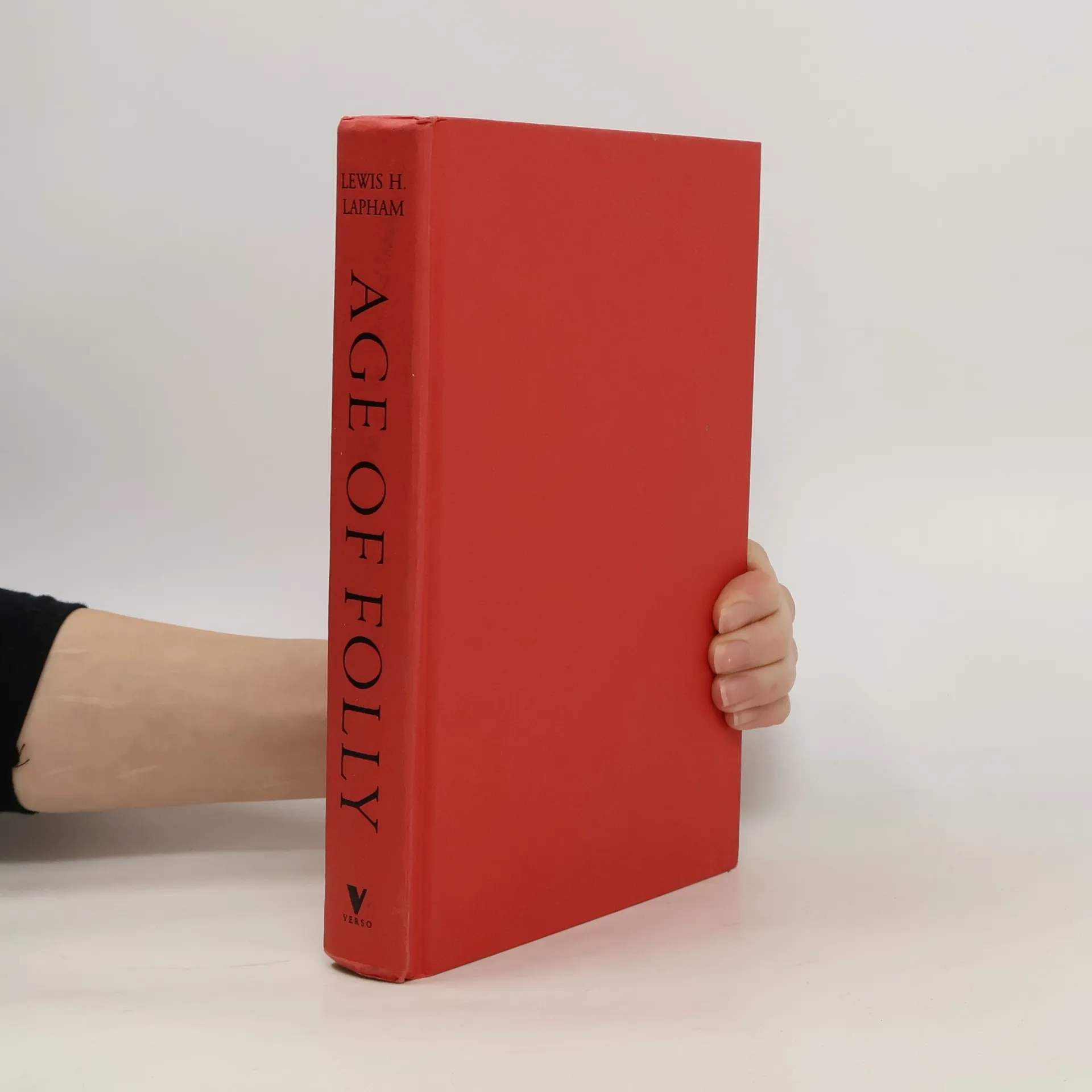


Lewis Lapham's work delves into politics and current affairs, fearlessly exploring deeper themes and connections. His editorial work, notably at Harper's Magazine and later founding Lapham's Quarterly, showcased his talent for bringing together diverse authors and ideas. He emphasizes clarity and analytical depth, offering readers a comprehensive view of selected topics. His approach highlights the importance of discourse and linking historical perspectives with contemporary issues.

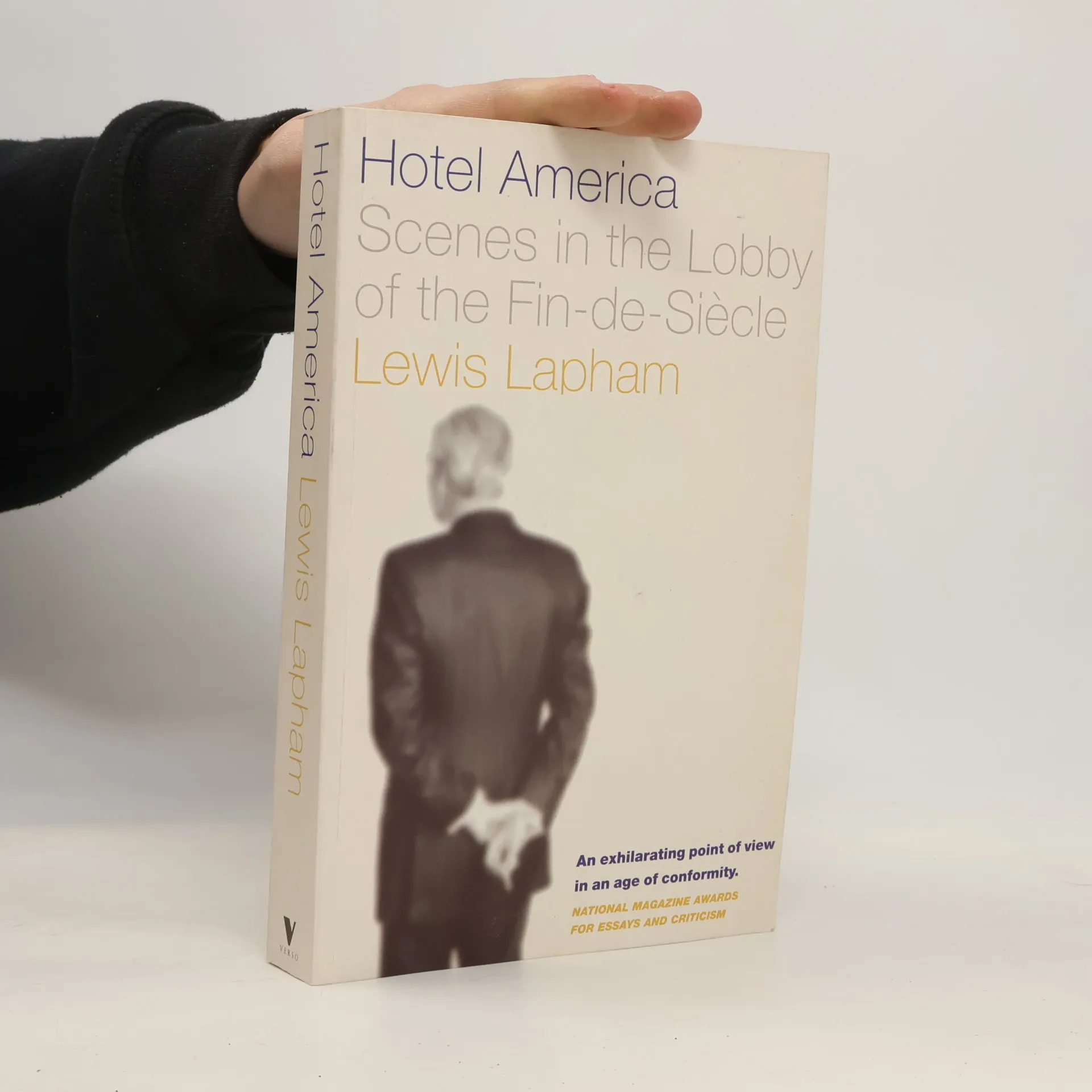
America's leading essayist on the frantic retreat of democracy, in the fire and smoke of the war on terror
Winner of the 1995 National Magazine Award for Essays and Criticism, this collection observes the spectacle of democratic life and values, exploring who is engaging with and who is disengaging from the American experiment at the end of the century. Drawn from Lewis Lapham's monthly “Notebook” column for Harper’s magazine, these essays reflect on the period from winter 1989 to spring 1995, during which the American elite sought a new national narrative to replace the fading communist conspiracy. Lapham portrays a society grappling with its identity at the close of a century that was once defined by America. His insights highlight the moral and intellectual dilemmas faced by the ruling elites across media, academia, business, and government during these years. The spectacle is both humorous and tragic, showcasing Lapham's prowess as an essayist. His sketches address diverse events, including the wars in Panama and the Persian Gulf, the rise of Richard Nixon and O.J. Simpson, and the contrasting moral inspections from both the left and right. Lapham critiques the media’s trivialization of history, the diminishing presence of President Clinton, the emergence of Newt Gingrich, and the troubling practices of corporate swindling and sensationalized news.
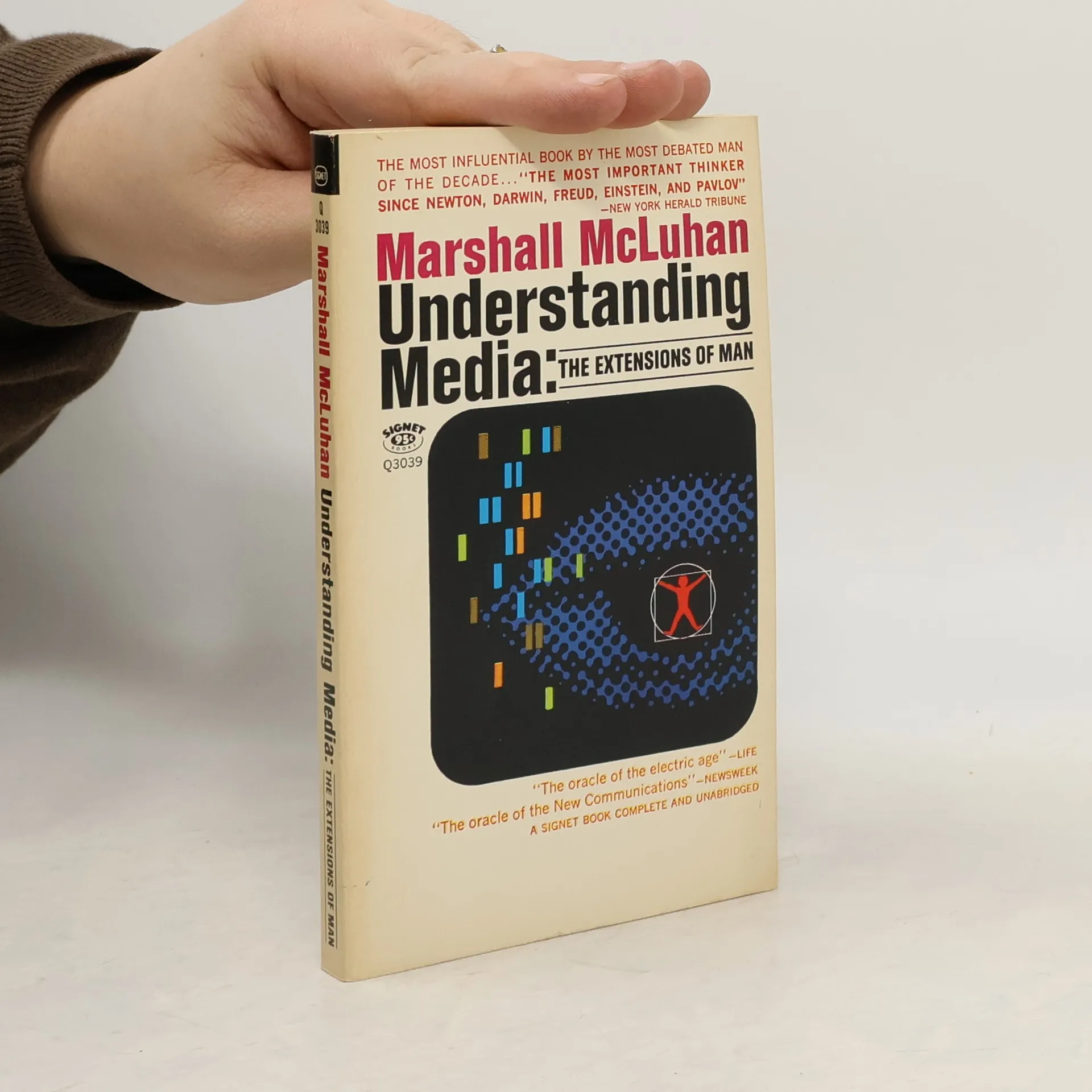
The extensions of man
This reissue of Understanding Media marks the thirtieth anniversary (1964-1994) of Marshall McLuhan's classic expose on the state of the then emerging phenomenon of mass media. Terms and phrases such as "the global village" and "the medium is the message" are now part of the lexicon, and McLuhan's theories continue to challenge our sensibilities and our assumptions about how and what we communicate.