



Parameters
- 432 pages
- 16 hours of reading
More about the book
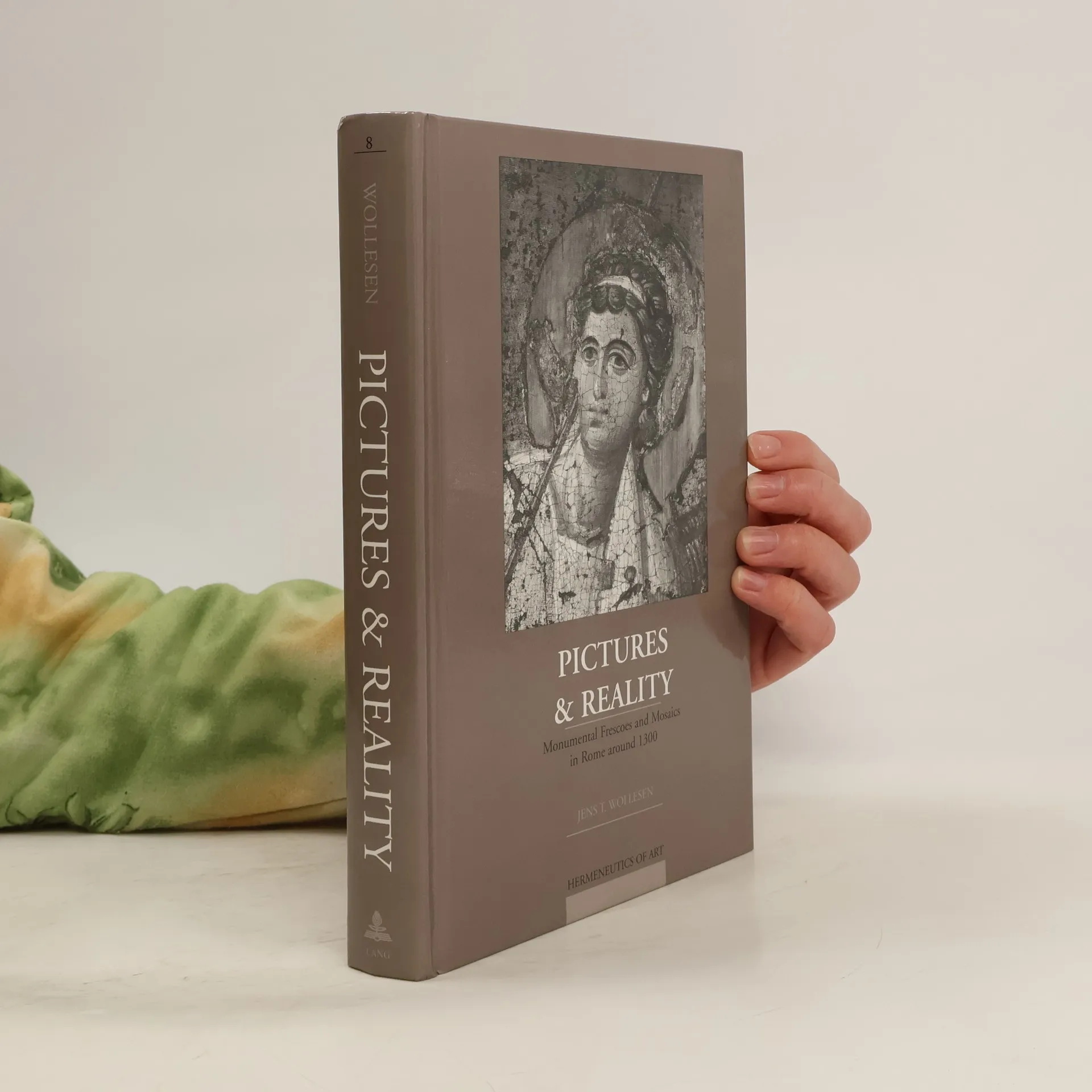
Monumental pictures and their social reality in Rome around 1300 are the focus of this study. The frescoes and mosaics under examination belong to the hitherto neglected façades and porticoes of important basilicas. Many of them - now lost or fragmented - described their cult repertory. They propagated ideas of their commissioners and mirrored the reality of the beholder, in terms of a new pictorial mimesis or verisimilitude . Their visual arguments were targeted towards the Romans, and, more importantly, towards the pilgrims who visited the eternal city to seek remission for their sins. The function of these pictorial media to transmit new and unconventional contents, phrased as a new pictorial vernacular , was increasingly devoted to the needs and expectations of a profoundly changed lay public. This process - although it coincided with the activity of Giotto - had its own distinctly Roman history.
Book purchase
Hermeneutics of Art - 8: Pictures and Reality, Jens T. Wollesen
- Language

- Released
- 1998
- Binding
- (Hardcover)
Payment methods
No one has rated yet.
- Title
- Hermeneutics of Art - 8: Pictures and Reality
- Subtitle
- Monumental Frescoes and Mosaics in Rome Around 1300
- Language
- English
- Authors
- Jens T. Wollesen
- Publisher
- Lang
- Released
- 1998
- Format
- Hardcover
- Pages
- 432
- ISBN10
- 0820438464
- ISBN13
- 9780820438467
- Series
- Tags
- Art, USA, Italy, Southern Europe, History of Art, Rome, Western Europe, Reality, Mosaics, Murals
- Description
- Monumental pictures and their social reality in Rome around 1300 are the focus of this study. The frescoes and mosaics under examination belong to the hitherto neglected façades and porticoes of important basilicas. Many of them - now lost or fragmented - described their cult repertory. They propagated ideas of their commissioners and mirrored the reality of the beholder, in terms of a new pictorial mimesis or verisimilitude . Their visual arguments were targeted towards the Romans, and, more importantly, towards the pilgrims who visited the eternal city to seek remission for their sins. The function of these pictorial media to transmit new and unconventional contents, phrased as a new pictorial vernacular , was increasingly devoted to the needs and expectations of a profoundly changed lay public. This process - although it coincided with the activity of Giotto - had its own distinctly Roman history.