

Series
Parameters
- 144 pages
- 6 hours of reading
More about the book
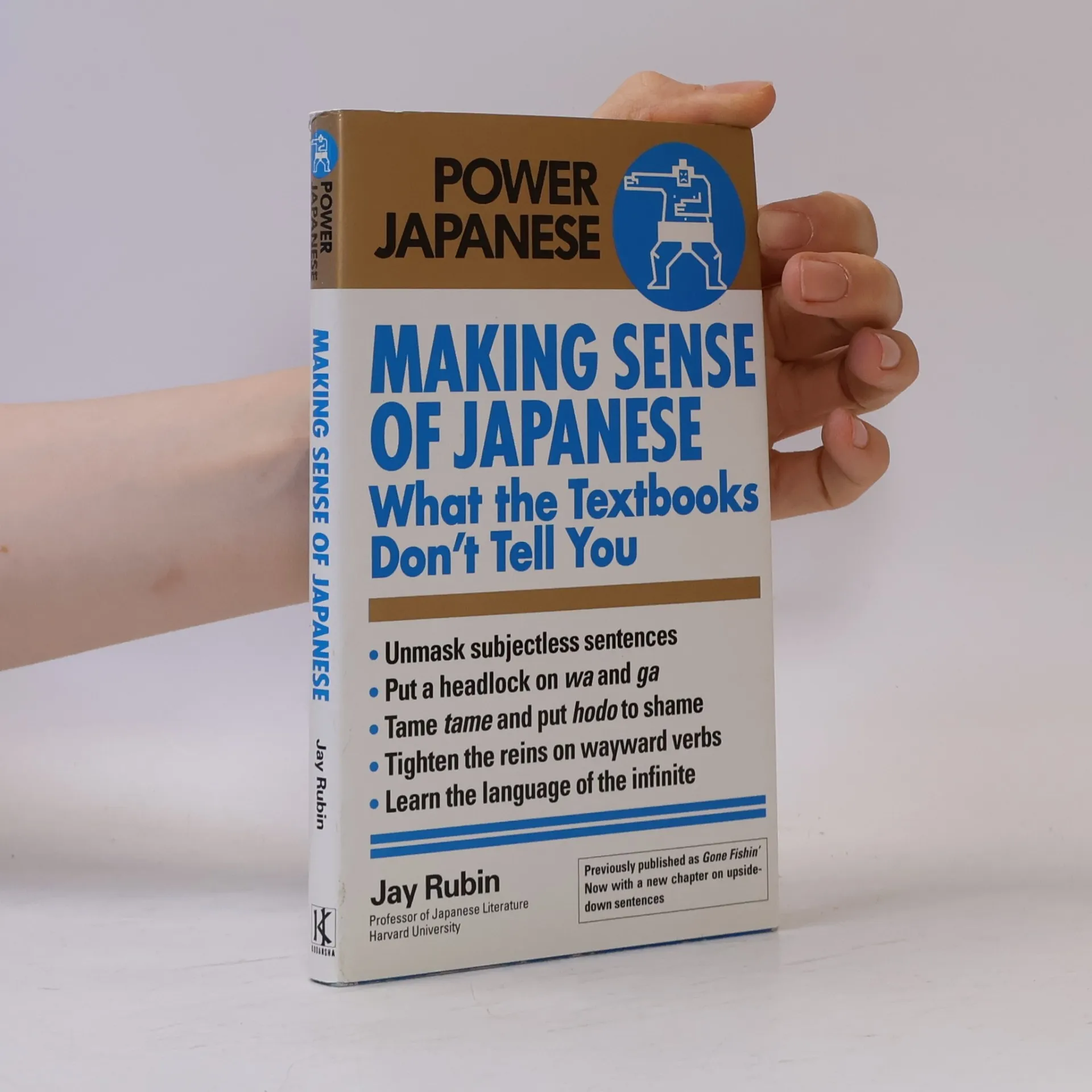
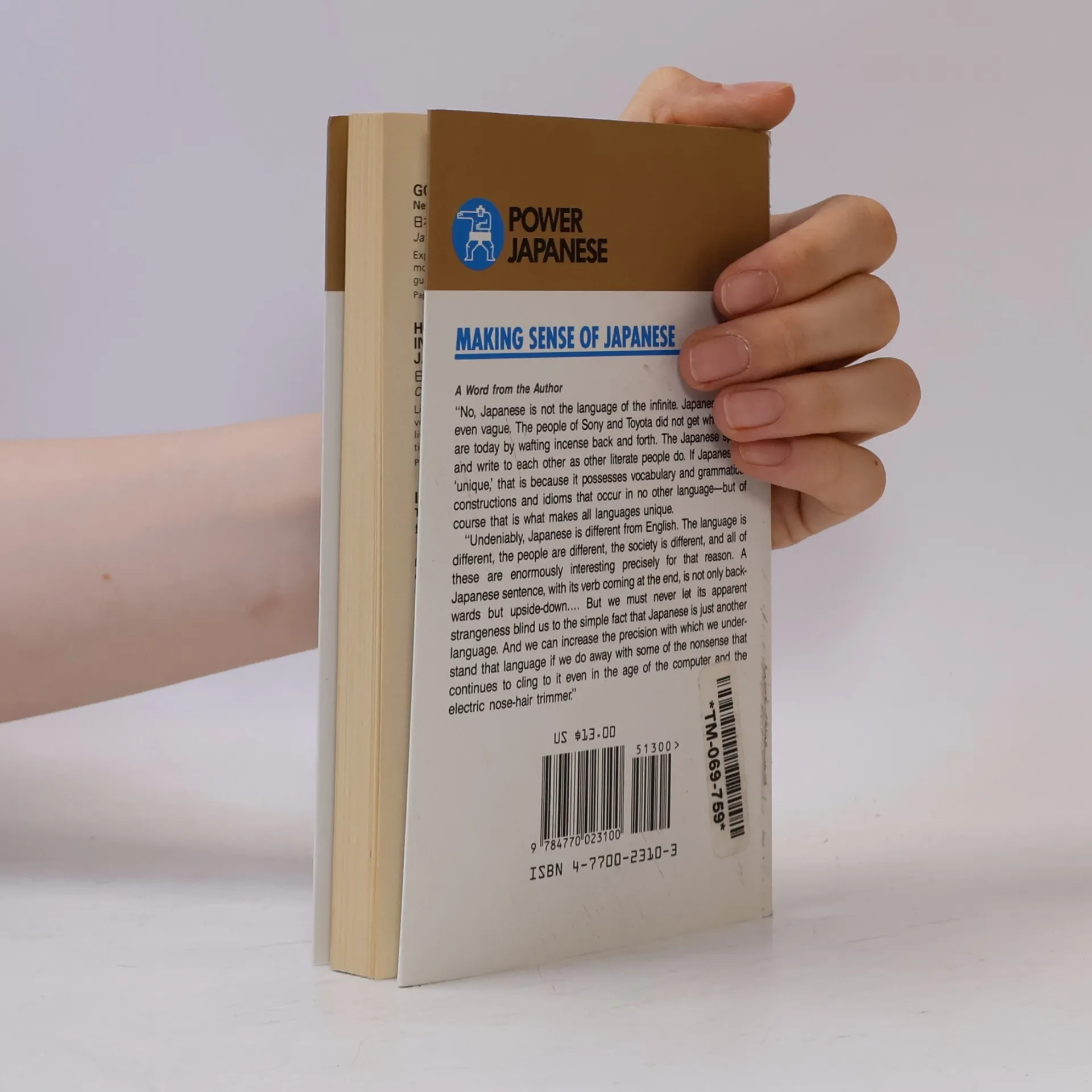
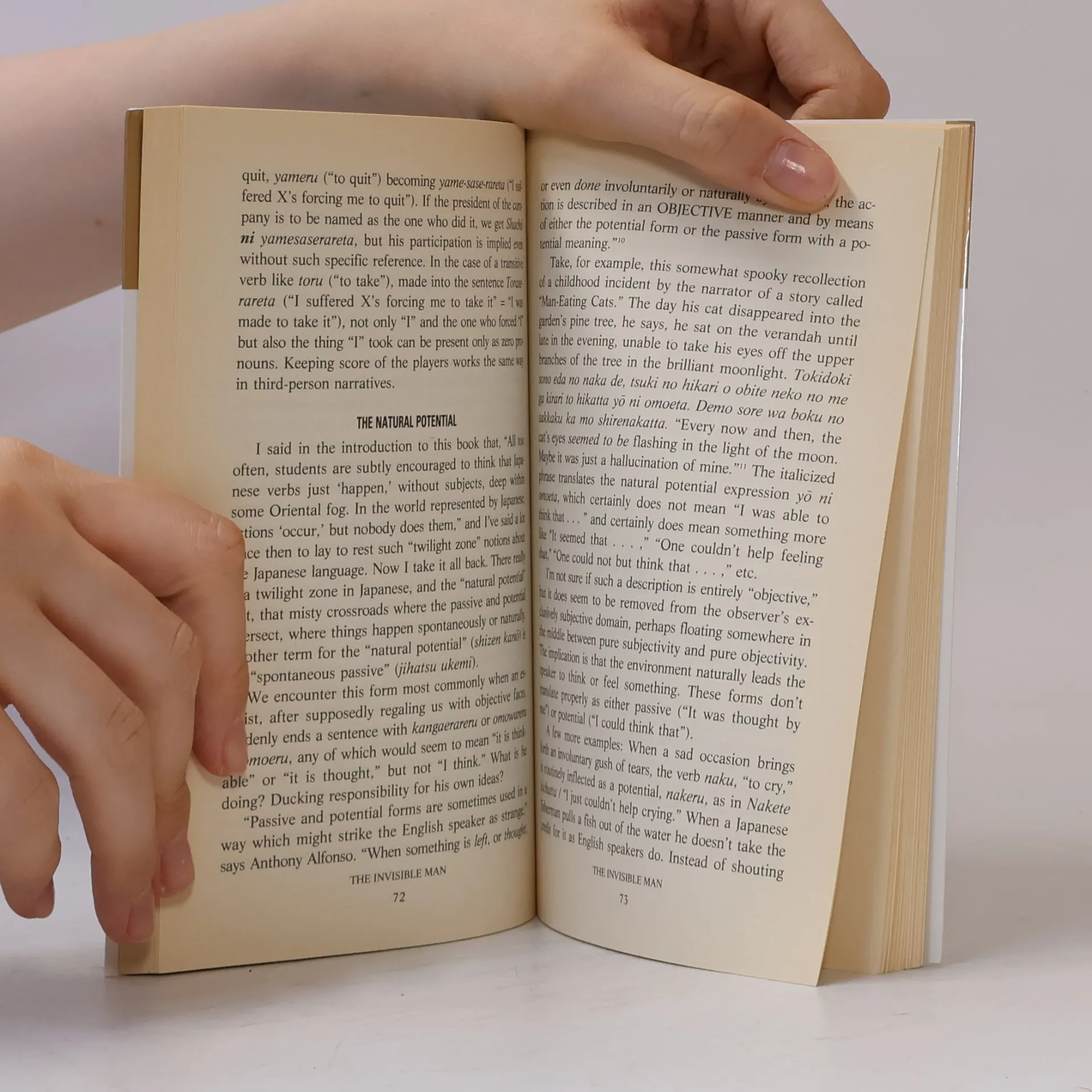
This book is the result of an American's thirty-year journey to learn and teach Japanese. Previously titled Gone Fishin', it has garnered significant feedback, including some criticism. The author, Jay Rubin, aims to dispel the notion that "the Japanese language is vague" by explaining complex grammatical forms in everyday English. While recuperating in the hills north of Kyoto, he expressed his belief that Japanese is not as vague as it once seemed. Part One closely examines the "subjectless sentence," providing tools to uncover hidden subjects, even when they appear absent. It also addresses the rest of the sentence, offering insights into its structure. Part Two delves into expressions that have perplexed learners for years and concludes with Rubin's unique method of analyzing Japanese sentences upside down, which he finds more relaxing than traditional approaches. Rubin challenges the notion that scholars make the comprehensible incomprehensible, as he strives to clarify rather than complicate the language. This work, previously published in the Power Japanese series, reflects his dedication to making Japanese more accessible to learners.


Book purchase
Power Japanese: Making Sense of Japanese, Jay Rubin
- Language

- Released
- 1998
- product-detail.submit-box.info.binding
- (Paperback),
- Book condition
- Good
- Price
- €17.49
Payment methods
We’re missing your review here.
- Subtitle
- What the Textbooks Don't Tell You
- Language
- English
- Authors
- Jay Rubin
- Publisher
- Kodansha Amer Inc
- Released
- 1998
- Format
- Paperback
- Pages
- 144
- ISBN10
- 4770023103
- ISBN13
- 9784770023100
- Series
- Power Japanese
- Tags
- Non-Fiction, Social Sciences, True Stories, References & Manuals, Languages, Opinion Journalism & Essays, Japan, Linguistics, Japanese Literature
- Rating
- 4.15 out of 5
- Description
- This book is the result of an American's thirty-year journey to learn and teach Japanese. Previously titled Gone Fishin', it has garnered significant feedback, including some criticism. The author, Jay Rubin, aims to dispel the notion that "the Japanese language is vague" by explaining complex grammatical forms in everyday English. While recuperating in the hills north of Kyoto, he expressed his belief that Japanese is not as vague as it once seemed. Part One closely examines the "subjectless sentence," providing tools to uncover hidden subjects, even when they appear absent. It also addresses the rest of the sentence, offering insights into its structure. Part Two delves into expressions that have perplexed learners for years and concludes with Rubin's unique method of analyzing Japanese sentences upside down, which he finds more relaxing than traditional approaches. Rubin challenges the notion that scholars make the comprehensible incomprehensible, as he strives to clarify rather than complicate the language. This work, previously published in the Power Japanese series, reflects his dedication to making Japanese more accessible to learners.