Forces of Labor
- 256 pages
- 9 hours of reading
This 2003 book analyzes the dynamics of labor movements, introducing a new database on labor unrest events worldwide.


This series delves into the intricacies of domestic politics across nations, uncovering the patterns and divergences that shape our world. It examines key political phenomena from multiple perspectives, fostering critical dialogue among diverse theoretical approaches. The aim is to provide readers with a comprehensive understanding of global political landscapes. Each volume contributes to a larger conversation about how states differ and connect.


This 2003 book analyzes the dynamics of labor movements, introducing a new database on labor unrest events worldwide.
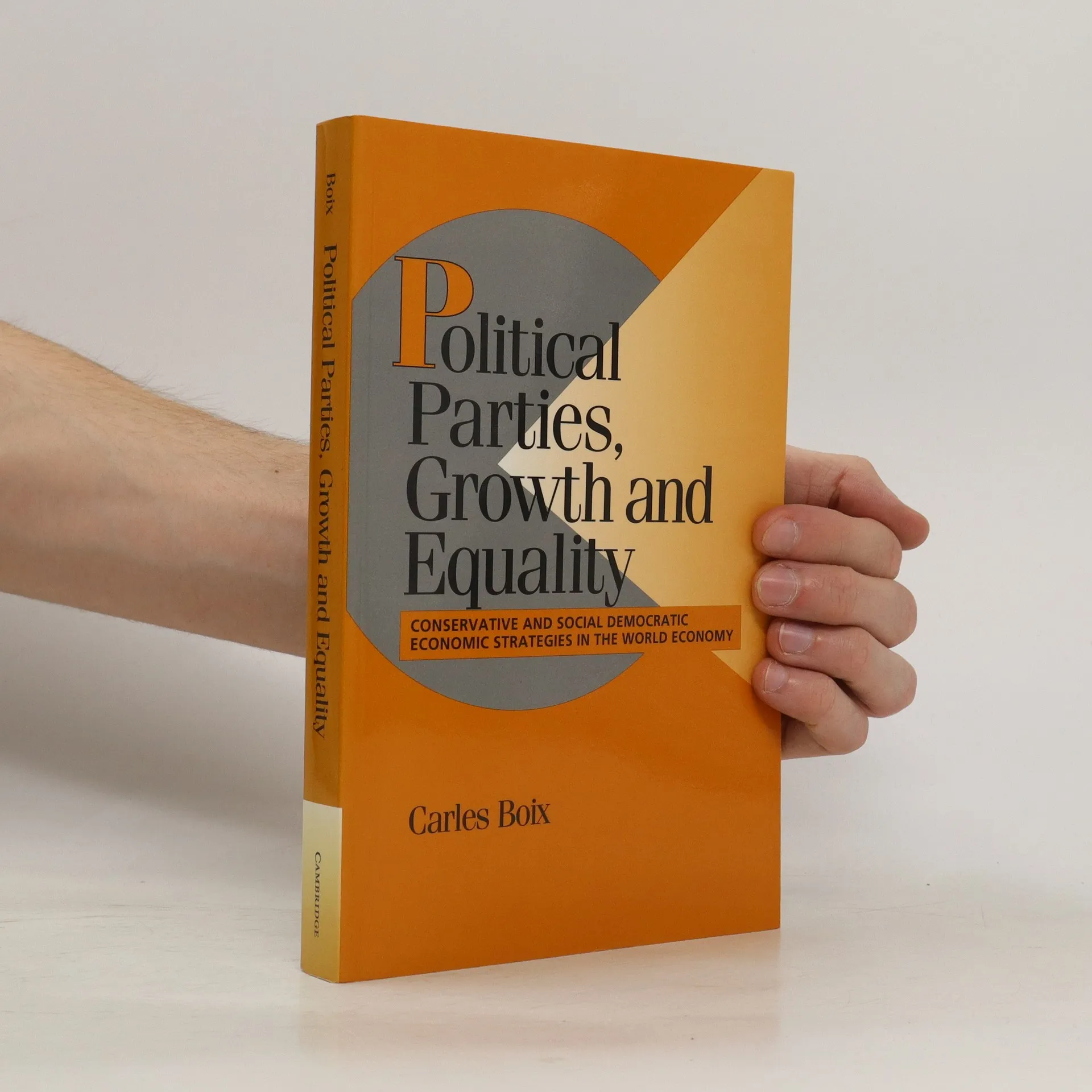
Given the increased openness of countries to international trade and financial flows, the general public and the scholarly literature have grown skeptical about the capacity of policy-makers to affect economic performance. Challenging this view, Political Parties, Growth, and Equality shows that the increasingly interdependent world economy and recent technological shocks have actually exacerbated the dilemmas faced by governments in choosing among various policy objectives, such as generating jobs and reducing income inequality, thereby granting political parties and electoral politics a fundamental and growing role in the economy. To make growth and equality compatible, social democrats employ the public sector to raise the productivity of capital and labor. By contrast, conservatives rely on the private provision of investment. Based on analysis of the economic policies of all OECD countries since the 1960s and in-depth examination of Britain and Spain in the 1980s, this book offers a new understanding of how contemporary democracies work.
Social Movements and Contentious Politics - Second Edition
Unlike political or economic institutions, social movements have an elusive power, but one that is no less real. This study surveys the history of the social movement, puts forward a theory of collective action to explain its surges and declines, and offers an interpretation of the power of movement that emphasizes its effects on personal lives, policy reforms and political culture. While covering cultural, organizational and personal sources of movements' power, the book emphasizes the rise and fall of social movements as part of political struggle and as the outcome of changes in political opportunity structure. This second edition has an entirely new chapter, major additions to the bibliography, new illustrative materials in many of the chapters and a new conclusion.
State crackdowns on drug cartels often backfire, producing entrenched 'cartel- state conflict'; deterrence approaches have curbed violence but proven fragile. This book explains why.
This book develops an argument for the power of collective identity as an impetus for state prioritization of social welfare.
This book offers a new theory of the historical relationship between economic modernization and the emergence of democracy on a global scale.
A new perspective on how the nation-state emerged and subsequently proliferated across the globe, accompanied by a wave of wars.
This book, first published in 2005, is based on the key idea that social protection, both inside and outside the state, can be understood as protection of specific investments in human capital. It offers a systematic explanation of popular preferences for redistributive spending, the economic role of political parties and electoral systems, and labor market stratification.
This book tracks change in training institutions in four democracies over a century of development.
In sub-Saharan Africa, property relationships around land and access to natural resources vary across localities, districts and farming regions. These differences produce patterned variations in relationships between individuals, communities and the state. This book analyzes the politics of land and the use of natural resources in Africa.
This book examines contemporary changes in labor market institutions in the United States, Germany, Denmark, Sweden, and the Netherlands.
This book shows that powerful hereditary chiefs do not undermine democracy in Africa but, on some level, facilitate it.
This book describes the foundations of stateless societies, why and how states emerge, and the basis of political obligation.
Tying the Autocrat's Hands provides a comprehensive, empirical evaluation of legal reforms in contemporary China.
A bold re-interpretation of democracy's historical rise in Europe, Ziblatt highlights the surprising role of conservative political parties with sweeping implications for democracy today.
Clientelism and ethnic favoritism appear to go hand in hand in many diverse societies in the developing world. However, while some ethnic communities receive generous material rewards for their political support, others receive very modest payoffs. In this study the author examines this key, and often overlooked, component of clientelism.
This book addresses the long-standing puzzle of how China's private sector manages to grow without secure property rights. Drawing on rich empirical evidence, this book challenges existing theories of property rights and growth, and shows that a selective property rights regime can generate and sustain economic growth and political stability.
This book explores the reasons behind conflicts between immigrants and native populations, as well as tensions involving state actors in certain areas. It delves into the complex dynamics that contribute to these clashes.
In this book, M. Steven Fish explores why democracy has not succeeded in Russia post-Soviet Union. He identifies three main causes: heavy reliance on oil, insufficient economic liberalization, and a weak national legislature, challenging other explanations tied to history or political culture.
The book explores the behavior of governing parties in post-communist democracies, focusing on their dual role in state reconstruction and resource extraction. It reveals how these parties, while exploiting state resources and delaying oversight, also established new institutions that enabled further extraction. Through case studies from several countries, the author demonstrates that even opportunistic parties can constrain their corrupt practices when confronted with robust political competition, offering insights into the dynamics of party politics in transitional states.
Utilizing original data from China's National People's Congress, the book offers a critical examination of representation and authoritarianism within the political system. It challenges conventional beliefs and provides new insights into the dynamics of governance in China, highlighting the complexities of political representation in an authoritarian context.
Policy Reform and Consumption in Liberalizing Economies
The book explores the shift in Latin America's political landscape, emphasizing the emergence of a political economy centered on consumption rather than the traditional focus on labor and class dynamics. Baker analyzes how this transformation affects social structures and economic policies, shedding light on the implications for both consumers and the broader society. Through this lens, the work offers insights into contemporary issues of identity, power, and economic behavior in the region.
Exploring the impact of institutional instability, this study examines how it influences judicial behavior in both dictatorial and democratic regimes. The analysis delves into the varying responses of judicial systems to political pressures and the implications for rule of law and governance. Through comparative insights, the book sheds light on the complexities faced by judges in differing political contexts, offering a critical understanding of the intersection between judicial independence and political instability.
The book offers a comprehensive analysis of the post-Soviet wars and their resolutions through a blend of quantitative and qualitative research methods. It challenges conventional narratives, providing a fresh perspective on the complexities of these conflicts and the processes that led to their settlements. By integrating diverse methodologies, it aims to deepen the understanding of the geopolitical and social dynamics at play in the post-Soviet landscape.
Challenging the belief that natural resource wealth leads to autocracy, this book presents a nuanced exploration of the relationship between resource abundance and governance. It offers compelling arguments and case studies that reveal how resource wealth can also foster democratic practices and accountability. By examining various political contexts, the author uncovers the complexities of how resources can influence power dynamics, ultimately reshaping our understanding of democracy and authoritarianism in resource-rich nations.
The book explores the dynamics of Hindu-Muslim riots in India, revealing how state governments influence their occurrence based on electoral interests. It argues that riots can be strategically manipulated to sway elections, with some governments actively preventing violence while others may incite it for political gain. Utilizing a comprehensive dataset and case studies of various Indian states, the author examines the intricate relationship between political calculations and communal violence, shedding light on the underlying motivations behind these conflicts.
The Social and Political Construction of European Economies
The book explores the evolution of European economies from post-World War II Keynesian policies and welfare state development to the deregulation crisis of the 1980s. The author contends that social and political institutions continue to play a crucial role in shaping economic activities, leading to a new 'micro-social' regulation model. It examines the transition from macro to micro forms of economic regulation, detailing the conditions and characteristics of this emerging pattern in response to changing market dynamics.
Focusing on the electoral strategies of social democratic parties in Europe during the 1970s and 1980s, the book delves into how competitive dynamics, organizational constraints, and ideological legacies shape party choices and outcomes. Herbert Kitschelt argues that social democracy is not inevitably in decline; rather, its future success hinges on the ability to adapt its political messaging and forge new electoral coalitions. This analysis moves beyond traditional views centered on class and economic institutions, offering a fresh perspective on political strategy.
Offering a fresh perspective on land reform, this book introduces a new theoretical framework and rigorously tests it with comprehensive original data spanning over a century, starting from 1900. It delves into the historical context and implications of land reform policies, providing valuable insights for scholars and policymakers alike.
Issues, Influence, and Institutional Choice in the European Union
The book explores the dynamics of political actors reshaping rules, specifically within the context of European Union integration. Joseph Jupille argues that the EU operates under a more complex framework of governance than commonly perceived, highlighting the significance of rules in political interactions. His analysis offers a comprehensive understanding of how these rules influence political behavior and decision-making within the EU, challenging traditional views and contributing to the broader discourse on political structures.
The Formation of National Electorates and Party Systems in Western Europe
Focusing on the evolution of voting behavior, Daniele Caramani examines the shift from regional diversity to national homogeneity in politics from the mid-nineteenth century to today. Utilizing constituency-level data, he illustrates how national and industrial revolutions fostered a uniform political landscape, supplanting preindustrial territorial influences. His analysis, structured around party families, explains the varying degrees of homogeneity observed in different countries today, highlighting the historical context behind these transformations.
Social Democratic Economic Policies Since 1918
The book analyzes the successes and failures of economic policies implemented by social democratic governments, offering detailed explanations for the outcomes of these policies. It delves into the historical context and theoretical frameworks that shaped these decisions, providing insights into the effectiveness and challenges faced by such governments in managing economies. Through a critical lens, it examines the implications of these policies on social welfare and economic stability.
Territorial Authority and Institutional Choice
Political regionalism in Africa is the central theme, exploring its impact on governance, democracy, and development. The study is framed within broader theories of political development in agrarian societies and includes case studies from Senegal, Ghana, and Côte d'Ivoire, spanning from 1930 to the present. It offers valuable insights for those interested in comparative politics, regionalism, federalism, and ethnic dynamics within the African context.
Examining the interplay between state power and economic development, this study highlights how governance in Africa, particularly in Senegal, has stifled growth. It delves into the mechanisms of state control and their impact on economic policies, offering insights into the broader implications for the continent's development. Through this focused analysis, the book provides a critical understanding of the challenges faced by African nations in achieving sustainable economic progress.
Exploring the stability of political systems, this book delves into the factors contributing to the fragility of presidential democracies compared to their parliamentary counterparts. It analyzes the structural and institutional differences that may lead to higher rates of breakdown in presidential systems, offering insights into governance, accountability, and the implications for democratic resilience. Through a critical examination of various case studies, it aims to enhance understanding of political stability and the challenges faced by different democratic frameworks.
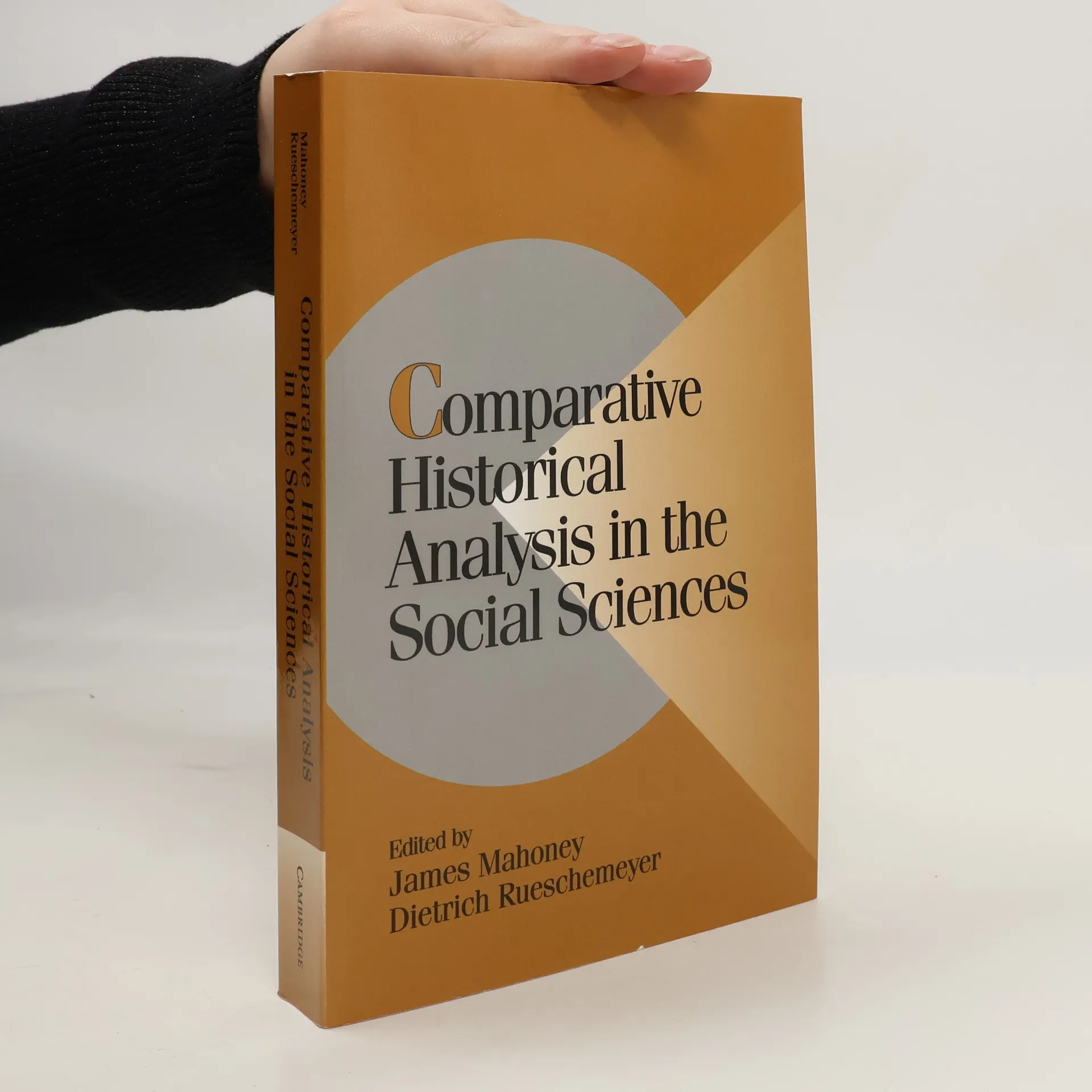
This review of the accomplishments and future agendas of comparative historical research in the social sciences explores its strengths in explaining important worldwide outcomes (e.g., revolutions, social provision, democracy). It includes sections on substantive research accomplishments, methodology, and theory, and features essays by some of the most important political scientists and sociologists currently working.
Comparative Politics: Rationality, Culture, and Structure brings together leading political scientists to assess the research schools that direct scholarship in comparative politics. It examines rational choice theory, culturalist analysis, and structuralist approaches, by applying them to the study of electoral politics, social movements and revolutions, political economy and the state. The essays return analysis to basic questions concerning the development of theory and the nature of explanations. The contributors are established scholars and pioneers in the various subfields of comparative politics.
Domination and Transformation in the Third World
This is a collection of scholarly essays on state, society and politics in the Third World, with cases drawn from Africa, the Middle East, Asia, and Latin America. The introductory chapter outlines the theoretical approach of the contributors and the concluding chapter summarizes the importance of their studies and the contribution of the volume to general theory in comparative politics. The book is relevant to the growing state theory literature in the social sciences and it puts forward a state-in-society approach to the study of political development.
In the nineteenth and early twentieth centuries, modern states began to provide many of the public services we now take for granted. Inward Conquest presents the first comprehensive analysis of the political origins of modern public services during this period. Ansell and Lindvall show how struggles among political parties and religious groups shaped the structure of diverse yet crucially important public services, including policing, schooling, and public health. Liberals, Catholics, conservatives, socialists, and fascists all fought bitterly over both the provision and political control of public services, with profound consequences for contemporary political developments. Integrating data on the historical development of public order, education, and public health with novel measures on the ideological orientation of governments, the authors provide a wealth of new evidence on a missing link in the history of the modern state.
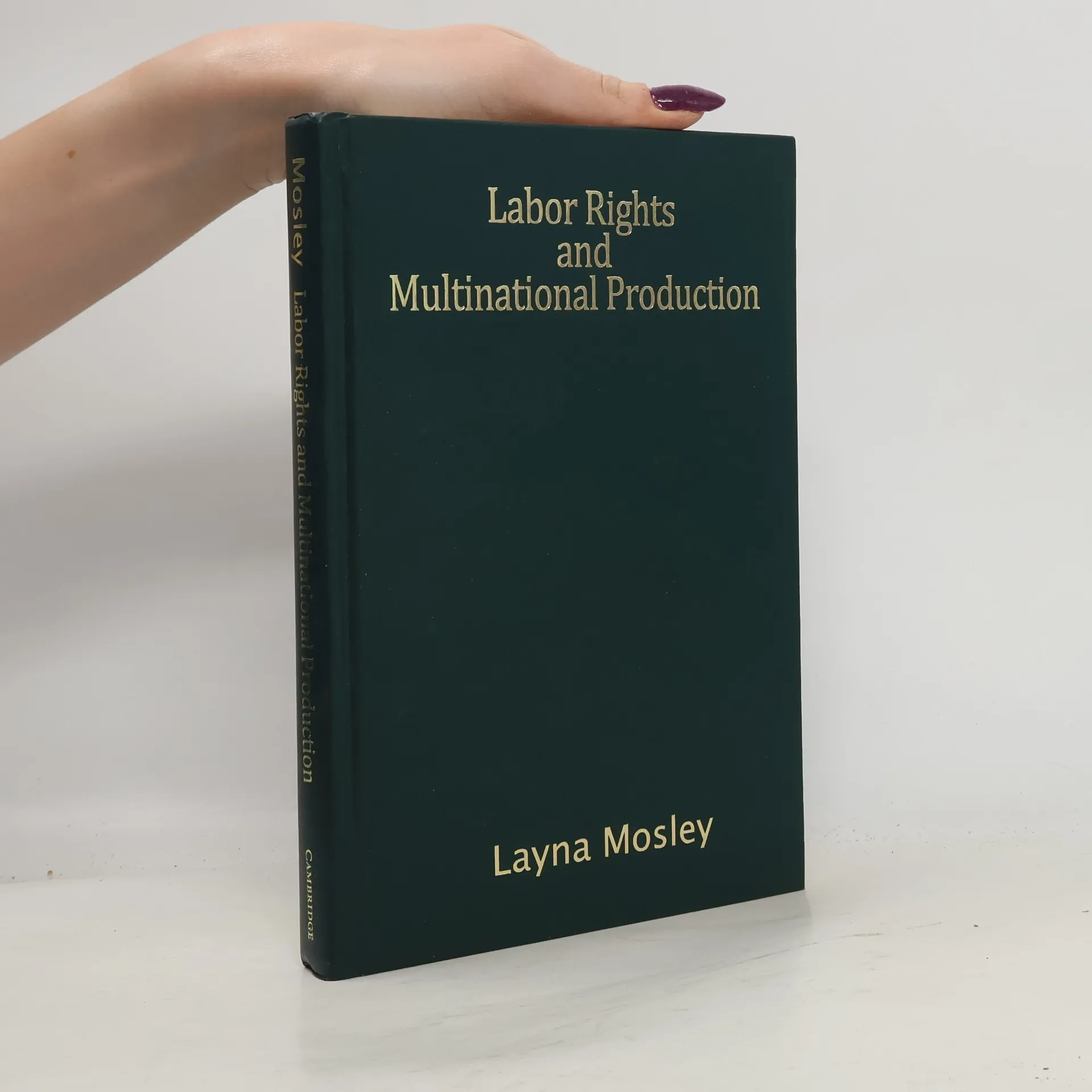
Labor Rights and Multinational Production investigates the relationship between workers' rights and multinational production. Mosley argues that some types of multinational production, embodied in directly owned foreign investment, positively affect labor rights. But other types of international production, particularly subcontracting, can engender competitive races to the bottom in labor rights. To test these claims, Mosley presents newly generated measures of collective labor rights, covering a wide range of low- and middle-income nations for the 1985-2002 period. This book suggests that the consequences of economic openness for developing countries are highly dependent on foreign firms' modes of entry and, more generally, on the precise way in which each developing country engages the global economy. The book contributes to academic literature in comparative and international political economy, and to public policy debates regarding the effects of globalization.
The Working Class and Elites in Western Europe and South America
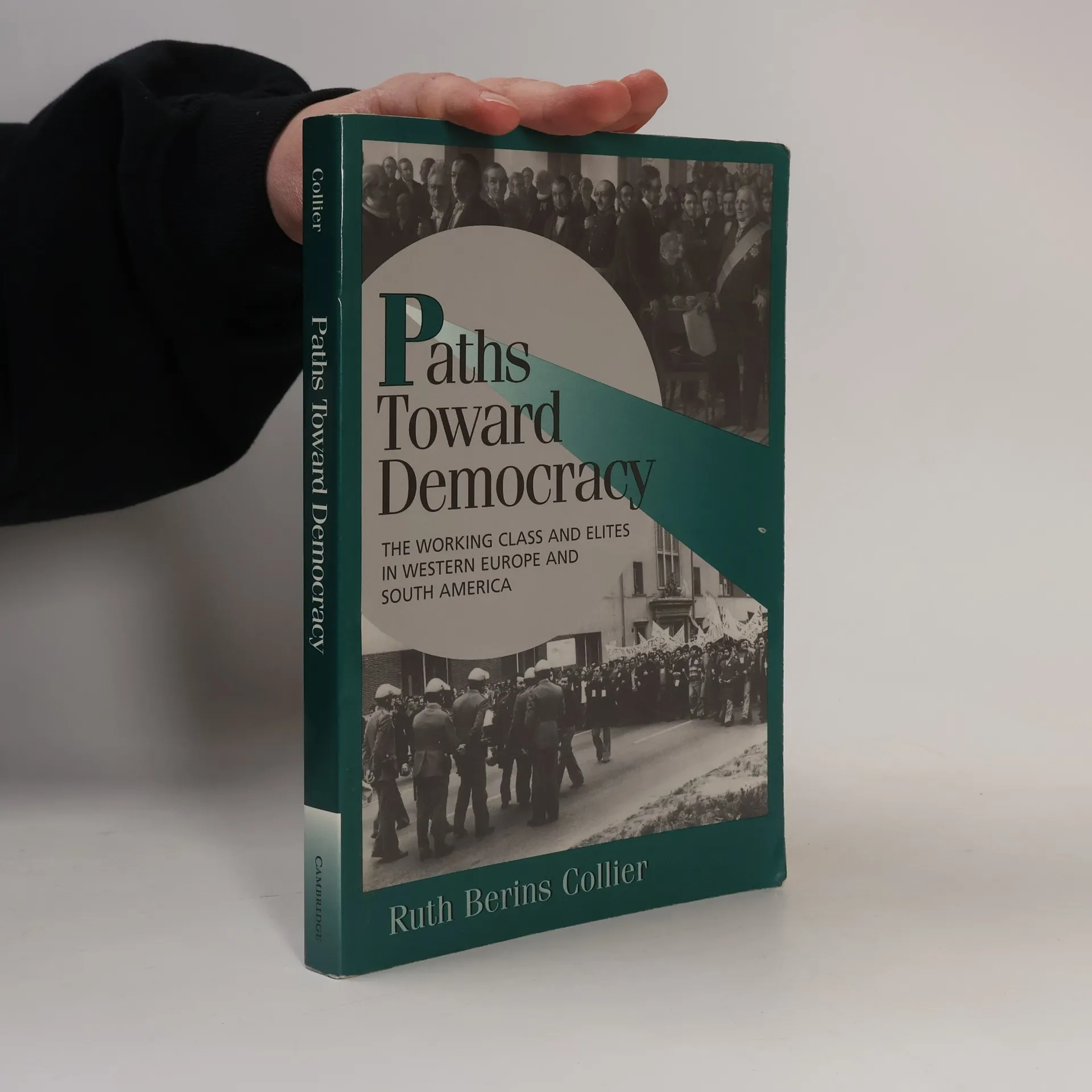
The question of whether democratization is an elite-led process from above or a popular triumph from below continues to be an area of contention among political scientists. Examining the experiences of countries that have provided the main empirical base for recent theorizing, namely, Western Europe and South America, this book delineates a more complex and varied set of patterns. The volume explores democratization through a comparative analysis that examines the role of labor in relation to elite strategies in both contemporary and historical perspectives.