

The book is currently out of stock
Parameters
- 192 pages
- 7 hours of reading
More about the book
Exploring the fragility of traditional moral concepts, this work challenges the views of past philosophers. Nietzsche encourages future thinkers to embrace creativity in truth and adopt a critical perspective. Divided into nine sections with 296 aphorisms, the book employs a critical and witty style to examine various facets of modern life, including religion, morality, free will, and the nature of virtues and nobility. It serves as a call to philosophers to engage in experimentation and redefine their understanding of existence.


Publication
- 2024

- 2024
- 2023
- 2023
- 2023
- 2023
- 2023
- 2023
- 2023
- 2023
- 2023
- 2023

- 2022
- 2022
- 2022
- 2022
- 2022
- 2022
- 2022
- 2021
- 2021
- 2021
- 2021
- 2021
- 2021
- 2021
- 2021

- 2020
- 2020
- 2020
- 2020
- 2020
- 2020
- 2020
- 2020
- 2020
- 2020
- 2020
- 2020
- 2020
- 2020
- 2020
- 2020
- 2020
- 2020
- 2020

- 2019
- 2019
- 2019
- 2019
- 2019


- 2018
- 2018
- 2018
- 2018
- 2018
- 2018
- 2018
- 2018
- 2018
- 2018
- 2017
- 2017
- 2017
- 2017
- 2016

- 2013
- 2012
- 2010
- 2009
- 2009

- 2008
- 2008
- 2008
- 2008
- 2007
- 2007
- 2006
- 2005
- 2005
- 2004
- 2004






Book purchase
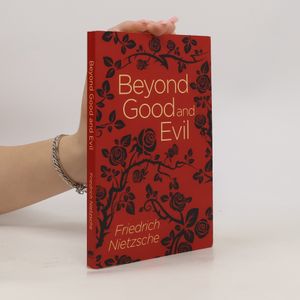
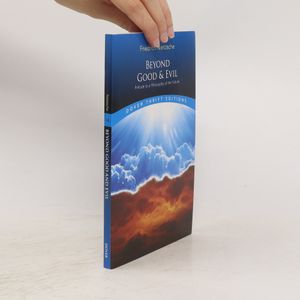
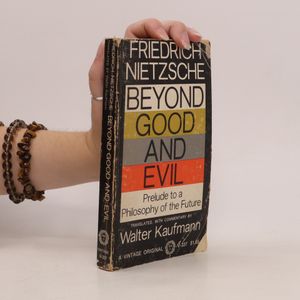
Beyond Good & Evil, Friedrich Nietzsche
- Language

- Released
- 2019
We’ll email you as soon as we track it down.
Payment methods
We’re missing your review here.
- Title
- Beyond Good & Evil
- Language
- English
- Authors
- Friedrich Nietzsche
- Publisher
- MAPLE PRESS PVT LTD
- Released
- 2019
- Pages
- 192
- ISBN13
- 9789350334980
- Series
- Tags
- Non-Fiction, Social Sciences, True Stories, Psychological Topics, Philosophical Topics, German Literature, Opinion Journalism & Essays, 19th century
- First published
- 1886
- Original title
- Jenseits von Gut und Böse
- Rating
- 4.25 out of 5
- Description
- Exploring the fragility of traditional moral concepts, this work challenges the views of past philosophers. Nietzsche encourages future thinkers to embrace creativity in truth and adopt a critical perspective. Divided into nine sections with 296 aphorisms, the book employs a critical and witty style to examine various facets of modern life, including religion, morality, free will, and the nature of virtues and nobility. It serves as a call to philosophers to engage in experimentation and redefine their understanding of existence.