

The book is currently out of stock
Parameters
- 186 pages
- 7 hours of reading
More about the book
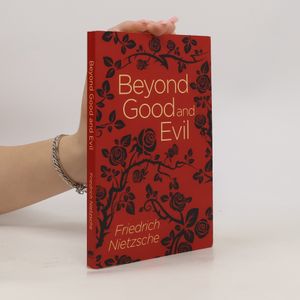
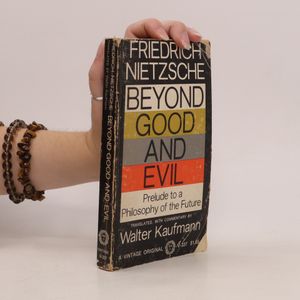
Exploring the concept of "perspective of life," this influential work by Friedrich Nietzsche challenges the notion of universal morality, arguing instead for a subjective interpretation of values. Nietzsche critiques traditional philosophers while advocating for the qualities of "new philosophers," such as imagination and originality. He questions foundational ideas like self-consciousness and free will, proposing the "will to power" as a fundamental driving force behind human behavior. This thought-provoking treatise lays the groundwork for a philosophy that transcends conventional moral boundaries.


Publication
- 2024

- 2024
- 2023
- 2023
- 2023
- 2023
- 2023
- 2023
- 2023
- 2023
- 2023
- 2023

- 2022
- 2022
- 2022
- 2022
- 2022
- 2022
- 2022
- 2021
- 2021
- 2021
- 2021
- 2021
- 2021
- 2021
- 2021

- 2020
- 2020
- 2020
- 2020
- 2020
- 2020
- 2020
- 2020
- 2020
- 2020
- 2020
- 2020
- 2020
- 2020
- 2020
- 2020
- 2020
- 2020
- 2020

- 2019
- 2019
- 2019
- 2019
- 2019


- 2018
- 2018
- 2018
- 2018
- 2018
- 2018
- 2018
- 2018
- 2018
- 2018
- 2017
- 2017
- 2017
- 2017
- 2016

- 2013
- 2012
- 2010
- 2009
- 2009

- 2008
- 2008
- 2008
- 2008
- 2007
- 2007
- 2006
- 2005
- 2005
- 2004
- 2004







Book purchase
Beyond Good and Evil, Friedrich Nietzsche
- Language

- Released
- 2023
We’ll email you as soon as we track it down.
Payment methods
We’re missing your review here.
- Title
- Beyond Good and Evil
- Language
- English
- Authors
- Friedrich Nietzsche
- Publisher
- Sonnet Books
- Released
- 2023
- Pages
- 186
- ISBN13
- 9788119742455
- Series
- Tags
- Non-Fiction, Social Sciences, True Stories, Psychological Topics, Philosophical Topics, German Literature, Opinion Journalism & Essays, 19th century
- First published
- 1886
- Original title
- Jenseits von Gut und Böse
- Rating
- 4.25 out of 5
- Description
- Exploring the concept of "perspective of life," this influential work by Friedrich Nietzsche challenges the notion of universal morality, arguing instead for a subjective interpretation of values. Nietzsche critiques traditional philosophers while advocating for the qualities of "new philosophers," such as imagination and originality. He questions foundational ideas like self-consciousness and free will, proposing the "will to power" as a fundamental driving force behind human behavior. This thought-provoking treatise lays the groundwork for a philosophy that transcends conventional moral boundaries.