

The book is currently out of stock
Parameters
- 218 pages
- 8 hours of reading
More about the book
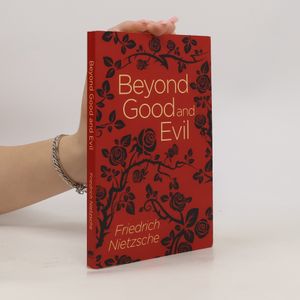
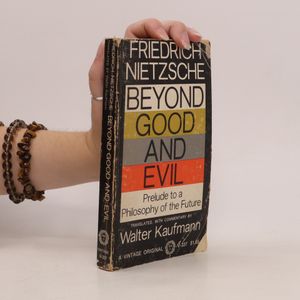
Friedrich Nietzsche's work critiques traditional morality and challenges the blind acceptance of Christian ideals by previous philosophers. Through a series of essays and aphorisms, he argues that human values are not absolute, highlighting the hypocrisy in value distinctions. This influential collection, first published in 1886, has significantly shaped modern intellectual thought, inviting readers to reconsider the foundations of their moral beliefs.


Publication
- 2024

- 2024
- 2023
- 2023
- 2023
- 2023
- 2023
- 2023
- 2023
- 2023
- 2023
- 2023

- 2022
- 2022
- 2022
- 2022
- 2022
- 2022
- 2022
- 2021
- 2021
- 2021
- 2021
- 2021
- 2021
- 2021
- 2021

- 2020
- 2020
- 2020
- 2020
- 2020
- 2020
- 2020
- 2020
- 2020
- 2020
- 2020
- 2020
- 2020
- 2020
- 2020
- 2020
- 2020
- 2020
- 2020

- 2019
- 2019
- 2019
- 2019
- 2019


- 2018
- 2018
- 2018
- 2018
- 2018
- 2018
- 2018
- 2018
- 2018
- 2018
- 2017
- 2017
- 2017
- 2017
- 2016

- 2013
- 2012
- 2010
- 2009
- 2009

- 2008
- 2008
- 2008
- 2008
- 2007
- 2007
- 2006
- 2005
- 2005
- 2004
- 2004







Book purchase
Beyond Good and Evil, Friedrich Nietzsche
- Language

- Released
- 2022
We’ll email you as soon as we track it down.
Payment methods
We’re missing your review here.
- Title
- Beyond Good and Evil
- Language
- English
- Authors
- Friedrich Nietzsche
- Publisher
- General Press
- Released
- 2022
- Pages
- 218
- ISBN13
- 9789354993749
- Series
- Tags
- Non-Fiction, Social Sciences, True Stories, Psychological Topics, Philosophical Topics, German Literature, Opinion Journalism & Essays, 19th century
- First published
- 1886
- Original title
- Jenseits von Gut und Böse
- Rating
- 4.25 out of 5
- Description
- Friedrich Nietzsche's work critiques traditional morality and challenges the blind acceptance of Christian ideals by previous philosophers. Through a series of essays and aphorisms, he argues that human values are not absolute, highlighting the hypocrisy in value distinctions. This influential collection, first published in 1886, has significantly shaped modern intellectual thought, inviting readers to reconsider the foundations of their moral beliefs.