

The book is currently out of stock
More about the book
In Utopia, Thomas More gives us a traveller's account of a newly-discovered island where the inhabitants enjoy a social order based on natural reason and justice, and human fulfilment is open to all. As the traveller describes the island, a bitter contrast is drawn between this rational society and the practices of Europe. How can the philosopher reform his society? In his discussion, More takes up a question first raised by Plato and which is still a challenge in the contemporary world. In the
Language



Publication
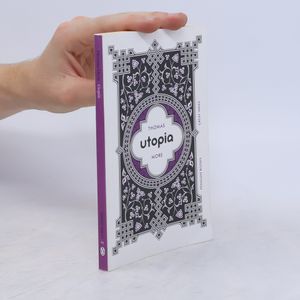
- 2024

- 2024
- 2023
- 2023
- 2022
- 2022
- 2022
- 2022
- 2022
- 2022
- 2021
- 2021
- 2021
- 2021
- 2021
- 2021

- 2020
- 2020
- 2020
- 2020
- 2019
- 2019
- 2019
- 2018
- 2018
- 2018
- 2018
- 2018
- 2018
- 2018
- 2018
- 2018

- 2017
- 2017
- 2017
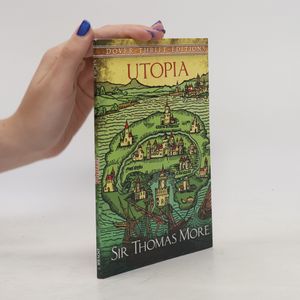
- 2016
- 2015
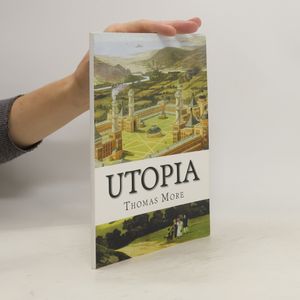
- 2014
- 2014
- 2013

- 2012
- 2012
- 2011
- 2011
- 2011
- 2011
- 2011

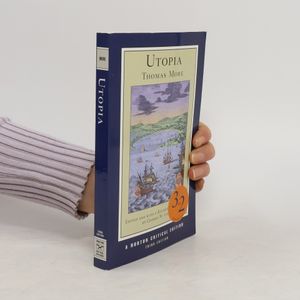
- 2010
- 2010
- 2010
- 2010
- 2009
- 2009
- 2008
- 2008

- 2006
- 2005
- 2005
- 2004

- 2001
- 1999






Payment methods
We’re missing your review here.
- Title
- Utopia
- Language
- English
- Authors
- Thomas Morus
- Publisher
- Adhyaya Books
- Released
- 2022
- Format
- Paperback
- Pages
- 128
- ISBN10
- 9394178317
- ISBN13
- 9789394178311
- Series
- Tags
- Fiction, Religious Topics, Philosophical Topics, Sci-Fi, Classics, Politics, Suspense, Society, England, Future, Islands, Socialism, Utopia, Humanism, State, Thought Experiments
- First published
- 1516
- Original title
- Utopia
- Rating
- 3.45 out of 5
- Description
- In Utopia, Thomas More gives us a traveller's account of a newly-discovered island where the inhabitants enjoy a social order based on natural reason and justice, and human fulfilment is open to all. As the traveller describes the island, a bitter contrast is drawn between this rational society and the practices of Europe. How can the philosopher reform his society? In his discussion, More takes up a question first raised by Plato and which is still a challenge in the contemporary world. In the