

The book is currently out of stock
More about the book
Set on a fictional island, the narrative unfolds through the eyes of Raphael Hythloday, who shares insights into the unique religious, social, and political practices of Utopia. This satirical work blends fiction with political philosophy, critiquing contemporary society while envisioning an ideal community. Published in 1516, it reflects Thomas More's exploration of governance and human nature, inviting readers to consider the possibilities of a perfect society.


Publication
- 2024

- 2024
- 2023
- 2023
- 2022
- 2022
- 2022
- 2022
- 2022
- 2022
- 2021
- 2021
- 2021
- 2021
- 2021
- 2021

- 2020
- 2020
- 2020
- 2020
- 2019
- 2019
- 2019
- 2018
- 2018
- 2018
- 2018
- 2018
- 2018
- 2018
- 2018
- 2018
- 2017
- 2017
- 2017
- 2016
- 2015
- 2014
- 2014
- 2013

- 2012
- 2012
- 2011
- 2011
- 2011
- 2011
- 2011

- 2010
- 2010
- 2010
- 2010

- 2009
- 2009
- 2008
- 2008

- 2006
- 2005
- 2005
- 2004

- 2001
- 1999


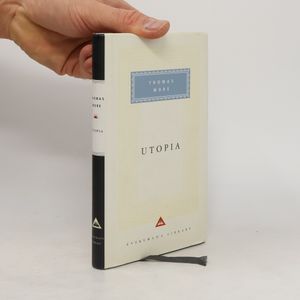

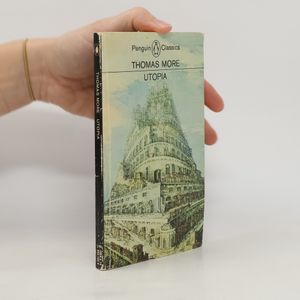

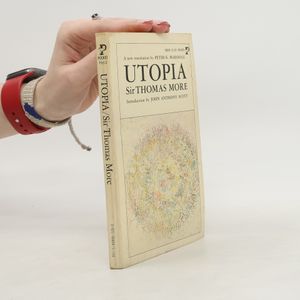


Book purchase
Utopia, Thomas Morus
- Language

- Released
- 2021
- product-detail.submit-box.info.binding
- (Paperback)
We’ll email you as soon as we track it down.
Payment methods
We’re missing your review here.
- Title
- Utopia
- Language
- English
- Authors
- Thomas Morus
- Publisher
- Sanage Publishing
- Released
- 2021
- Format
- Paperback
- Pages
- 154
- ISBN13
- 9789391316624
- Series
- Tags
- Fiction, Religious Topics, Philosophical Topics, Sci-Fi, Classics, Politics, Suspense, Society, England, Future, Islands, Socialism, Utopia, Humanism, State, Thought Experiments
- First published
- 1516
- Original title
- Utopia
- Rating
- 3.45 out of 5
- Description
- Set on a fictional island, the narrative unfolds through the eyes of Raphael Hythloday, who shares insights into the unique religious, social, and political practices of Utopia. This satirical work blends fiction with political philosophy, critiquing contemporary society while envisioning an ideal community. Published in 1516, it reflects Thomas More's exploration of governance and human nature, inviting readers to consider the possibilities of a perfect society.