

The book is currently out of stock
More about the book
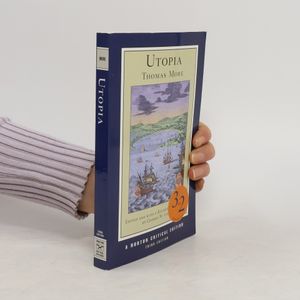
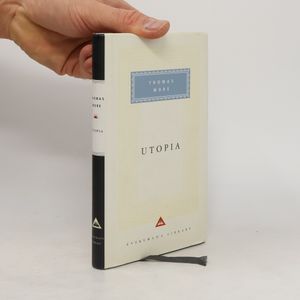
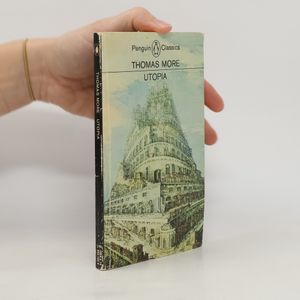
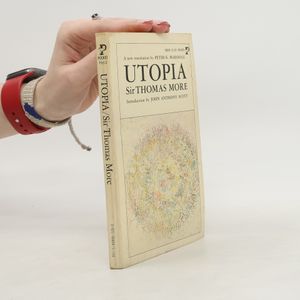
Set on an imaginary island, the narrative explores a self-sustaining community where inhabitants share a harmonious way of life. Through the dialogue between Thomas More, Peter Giles, and the traveler Raphael Hythloday, the book reveals the unique geography and social structures of Utopia, including family, marriage, education, religion, and politics. Additionally, it serves as a satire of the turbulent European political landscape of More's time, offering a thought-provoking critique of contemporary society.
Language



Publication
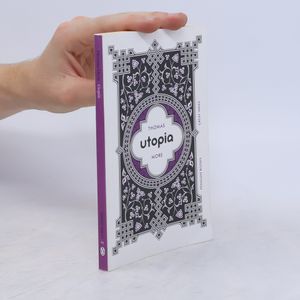
- 2024

- 2024
- 2023
- 2023
- 2022
- 2022
- 2022
- 2022
- 2022
- 2022
- 2021
- 2021
- 2021
- 2021
- 2021
- 2021

- 2020
- 2020
- 2020
- 2020
- 2019
- 2019
- 2019
- 2018
- 2018
- 2018
- 2018
- 2018
- 2018
- 2018
- 2018
- 2018
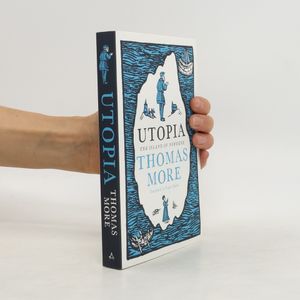
- 2017
- 2017
- 2017
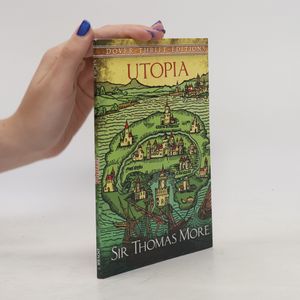
- 2016
- 2015
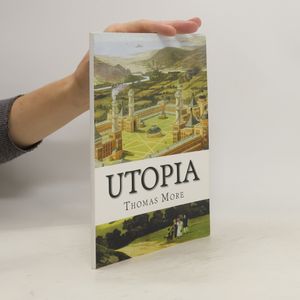
- 2014
- 2014
- 2013

- 2012
- 2012
- 2011
- 2011
- 2011
- 2011
- 2011

- 2010
- 2010
- 2010
- 2010
- 2009
- 2009
- 2008
- 2008

- 2006
- 2005
- 2005
- 2004

- 2001
- 1999






Payment methods
We’re missing your review here.
- Title
- Utopia
- Language
- English
- Authors
- Thomas Morus
- Publisher
- Pharos Books
- Released
- 2019
- Format
- Paperback
- Pages
- 114
- ISBN13
- 9789390001149
- Series
- Tags
- Fiction, Religious Topics, Philosophical Topics, Sci-Fi, Classics, Politics, Suspense, Society, England, Future, Islands, Socialism, Utopia, Humanism, State, Thought Experiments
- First published
- 1516
- Original title
- Utopia
- Rating
- 3.45 out of 5
- Description
- Set on an imaginary island, the narrative explores a self-sustaining community where inhabitants share a harmonious way of life. Through the dialogue between Thomas More, Peter Giles, and the traveler Raphael Hythloday, the book reveals the unique geography and social structures of Utopia, including family, marriage, education, religion, and politics. Additionally, it serves as a satire of the turbulent European political landscape of More's time, offering a thought-provoking critique of contemporary society.