

The book is currently out of stock
More about the book
The narrative presents a fictional island society that serves as a critique of contemporary political and social structures. Through detailed descriptions of Utopia's customs, More explores themes of religious tolerance, communal living, and the ideal state, reflecting elements reminiscent of monastic life. This socio-political satire invites readers to consider the possibilities of an improved society, contrasting sharply with the realities of 16th-century Europe.


Publication
- 2024

- 2024
- 2023
- 2023
- 2022
- 2022
- 2022
- 2022
- 2022
- 2022
- 2021
- 2021
- 2021
- 2021
- 2021
- 2021

- 2020
- 2020
- 2020
- 2020
- 2019
- 2019
- 2019
- 2018
- 2018
- 2018
- 2018
- 2018
- 2018
- 2018
- 2018
- 2018

- 2017
- 2017
- 2017

- 2016
- 2015
- 2014
- 2014
- 2013

- 2012
- 2012
- 2011
- 2011
- 2011
- 2011
- 2011


- 2010
- 2010
- 2010
- 2010

- 2009
- 2009
- 2008
- 2008

- 2006
- 2005
- 2005
- 2004

- 2001
- 1999









Book purchase
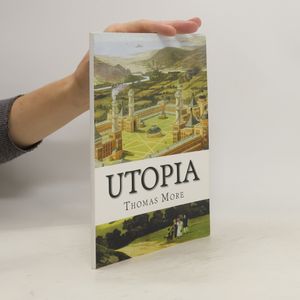
Utopia, Thomas Morus
- Language

- Released
- 2018
- product-detail.submit-box.info.binding
- (Paperback)
We’ll email you as soon as we track it down.
Payment methods
We’re missing your review here.
- Title
- Utopia
- Language
- English
- Authors
- Thomas Morus
- Publisher
- Bibliotech Press
- Released
- 2018
- Format
- Paperback
- Pages
- 138
- ISBN13
- 9781618953575
- Series
- Tags
- Fiction, Religious Topics, Philosophical Topics, Sci-Fi, Classics, Politics, Suspense, Society, England, Future, Islands, Socialism, Utopia, Humanism, State, Thought Experiments
- First published
- 1516
- Original title
- Utopia
- Rating
- 3.45 out of 5
- Description
- The narrative presents a fictional island society that serves as a critique of contemporary political and social structures. Through detailed descriptions of Utopia's customs, More explores themes of religious tolerance, communal living, and the ideal state, reflecting elements reminiscent of monastic life. This socio-political satire invites readers to consider the possibilities of an improved society, contrasting sharply with the realities of 16th-century Europe.