

Sold out but wanted!
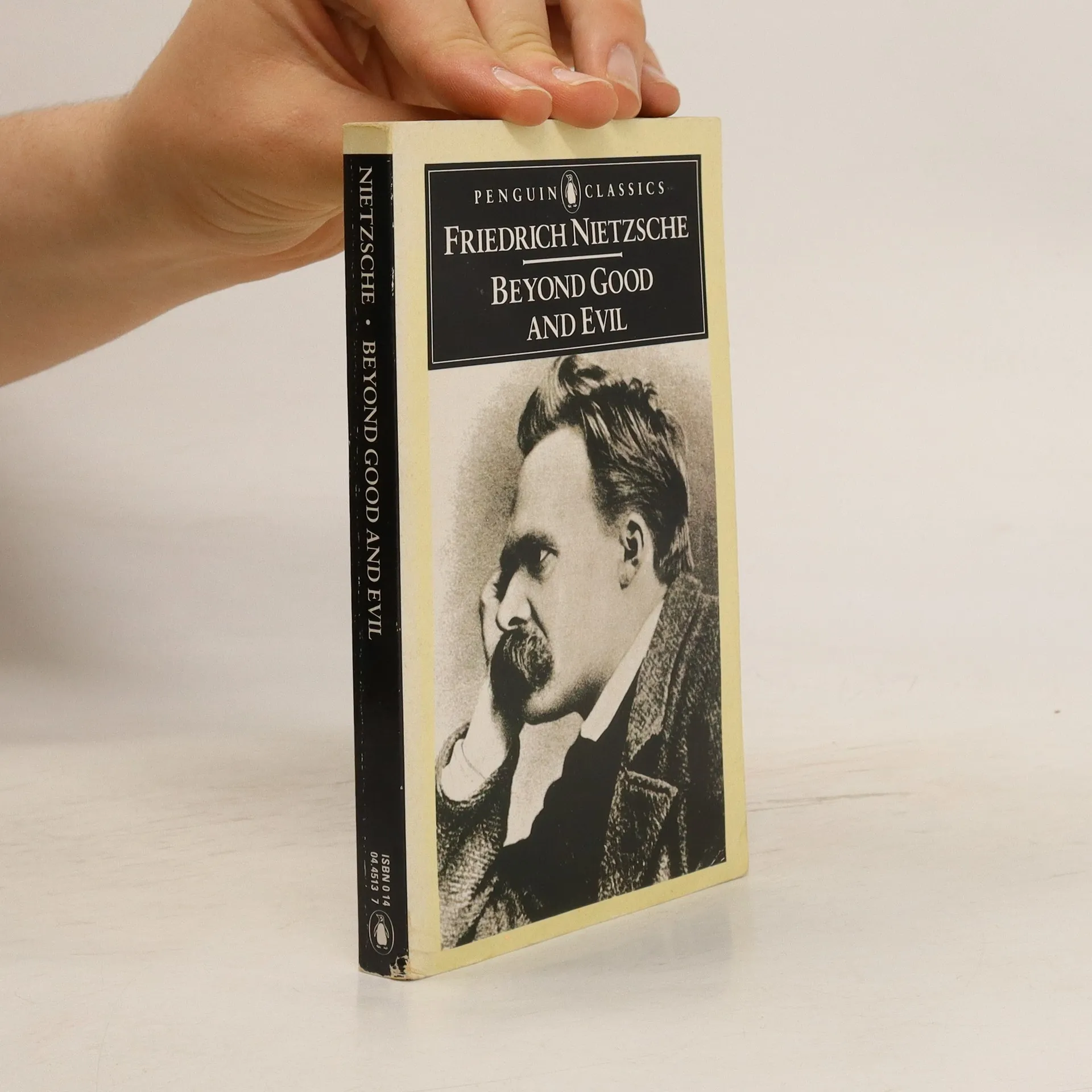


Parameters
- 239 pages
- 9 hours of reading
More about the book
From the preface to its closing pages Beyond Good and Evil is fired by a passion which expresses itself in an idiom of poetic metaphor. Yet this is philosophy. It covers almost the whole range of Nietzsche's philosophical interests, from the will to power to the psychology of religion, and belies its aphoristic structure with an idiosyncratic system of logical and linguistic links.


Publication
- 2024

- 2024
- 2023
- 2023
- 2023
- 2023
- 2023
- 2023
- 2023
- 2023
- 2023
- 2023

- 2022
- 2022
- 2022
- 2022
- 2022
- 2022
- 2022
- 2021
- 2021
- 2021
- 2021
- 2021
- 2021
- 2021
- 2021

- 2020
- 2020
- 2020
- 2020
- 2020
- 2020
- 2020
- 2020
- 2020
- 2020
- 2020
- 2020
- 2020
- 2020
- 2020
- 2020
- 2020
- 2020
- 2020

- 2019
- 2019
- 2019
- 2019
- 2019


- 2018
- 2018
- 2018
- 2018
- 2018
- 2018
- 2018
- 2018
- 2018
- 2018
- 2017
- 2017
- 2017
- 2017
- 2016

- 2013
- 2012
- 2010
- 2009
- 2009

- 2008
- 2008
- 2008
- 2008
- 2007
- 2007
- 2006
- 2005
- 2005
- 2004
- 2004







Book purchase
Beyond good and evil, Friedrich Nietzsche
- Language

- Released
- 1990
We’ll email you as soon as we track it down.
Payment methods
We’re missing your review here.
- Title
- Beyond good and evil
- Language
- English
- Authors
- Friedrich Nietzsche
- Publisher
- Penguin Books
- Released
- 1990
- Pages
- 239
- ISBN10
- 0140445137
- ISBN13
- 9780140445138
- Series
- Tags
- Non-Fiction, Social Sciences, True Stories, Psychological Topics, Philosophical Topics, German Literature, Opinion Journalism & Essays, 19th century
- First published
- 1886
- Original title
- Jenseits von Gut und Böse
- Rating
- 4.25 out of 5
- Description
- From the preface to its closing pages Beyond Good and Evil is fired by a passion which expresses itself in an idiom of poetic metaphor. Yet this is philosophy. It covers almost the whole range of Nietzsche's philosophical interests, from the will to power to the psychology of religion, and belies its aphoristic structure with an idiosyncratic system of logical and linguistic links.