

The book is currently out of stock
More about the book
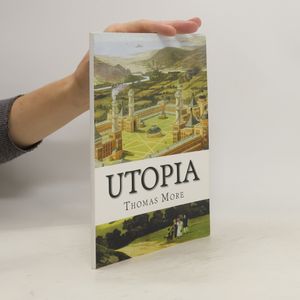
The narrative presents a traveler's account of an ideal island society where inhabitants thrive under a system rooted in natural reason and justice. This utopian vision starkly contrasts with the social practices of Europe, prompting reflections on societal reform. More engages with philosophical questions about improving one's society, echoing themes first explored by Plato and remaining relevant today. Through this exploration, the book invites readers to consider the possibilities of human fulfillment and the challenges of enacting change in their own world.



Publication
- 2024

- 2024
- 2023
- 2023
- 2022
- 2022
- 2022
- 2022
- 2022
- 2022
- 2021
- 2021
- 2021
- 2021
- 2021
- 2021

- 2020
- 2020
- 2020
- 2020
- 2019
- 2019
- 2019
- 2018
- 2018
- 2018
- 2018
- 2018
- 2018
- 2018
- 2018
- 2018

- 2017
- 2017
- 2017

- 2016
- 2015
- 2014
- 2014
- 2013

- 2012
- 2012
- 2011
- 2011
- 2011
- 2011
- 2011


- 2010
- 2010
- 2010
- 2010

- 2009
- 2009
- 2008
- 2008

- 2006
- 2005
- 2005
- 2004

- 2001
- 1999









Payment methods
We’re missing your review here.
- Title
- Utopia
- Language
- English
- Authors
- Thomas Morus
- Publisher
- Adhyaya Books House LLP
- Released
- 2022
- Pages
- 128
- ISBN13
- 9788119214570
- Series
- Tags
- Fiction, Religious Topics, Philosophical Topics, Sci-Fi, Classics, Politics, Suspense, Society, England, Future, Islands, Socialism, Utopia, Humanism, State, Thought Experiments
- First published
- 1516
- Original title
- Utopia
- Rating
- 3.45 out of 5
- Description
- The narrative presents a traveler's account of an ideal island society where inhabitants thrive under a system rooted in natural reason and justice. This utopian vision starkly contrasts with the social practices of Europe, prompting reflections on societal reform. More engages with philosophical questions about improving one's society, echoing themes first explored by Plato and remaining relevant today. Through this exploration, the book invites readers to consider the possibilities of human fulfillment and the challenges of enacting change in their own world.